How to Know If Milk Is Bad
You can tell if milk’s bad by checking the expiration date and making sure it’s been stored properly below 40°F. Look for changes in color or texture—milk shouldn’t be yellowish, lumpy, or curdled. Give it a sniff; sour or rancid smells mean it’s spoiled.
If it looks and smells fine, taste a tiny bit to confirm. If it tastes sour or off, throw it out. Keep these tips in mind, and you’ll soon know what else signals spoiled milk.
Check the Expiration Date

The first step to knowing if milk is bad is to check the expiration date on the carton. This date gives you a clear guideline on how long the milk should stay fresh if stored properly.
While the milk might still be safe to use shortly after this date, it’s a good rule of thumb to be cautious once you pass it. Always make sure the carton hasn’t been left out of the fridge for too long, as this can shorten its lifespan regardless of the printed date.
If the date is far off, you can be more confident that the milk is still good. Checking this date first helps you avoid wasting milk unnecessarily or risking using spoiled milk.
Observe the Color and Texture

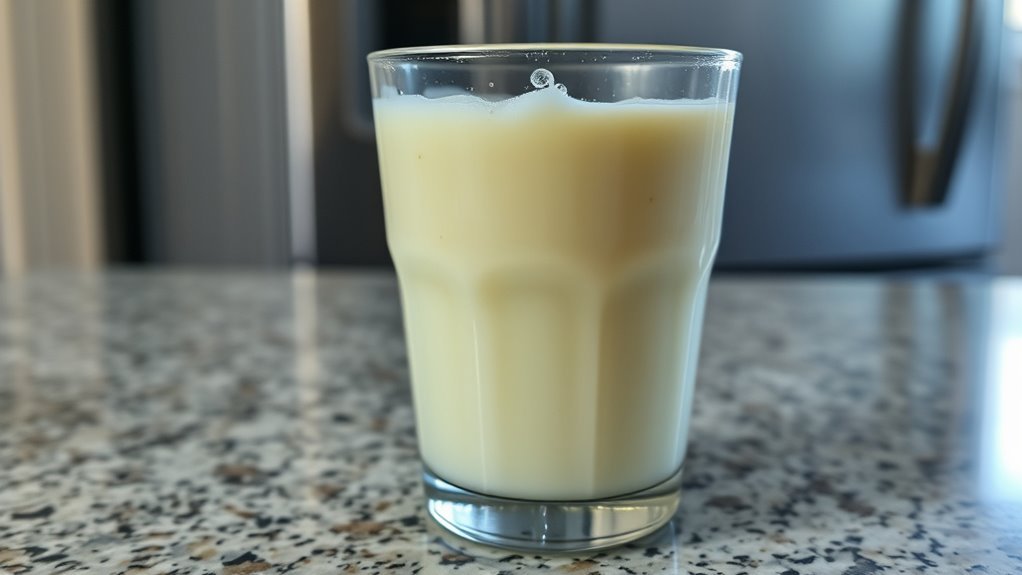
When you pour milk, pay close attention to its color and texture, as these can reveal signs of spoilage. Fresh milk is usually white or slightly creamy. If you notice any yellowing, pinkish hues, or unusual discoloration, it’s a red flag.
Also, check the texture carefully. Milk should flow smoothly and appear uniform. If you see clumps, lumps, or a curdled appearance, the milk has likely gone bad. Thickening or a slimy feel when you pour it are also clear indicators.
These changes happen because bacteria break down milk proteins and fats, altering its normal state. Trust your eyes. If the milk looks off, it’s safer to discard it rather than risk consuming spoiled dairy.
Smell the Milk for Off Odors

How can you tell if milk has gone bad just by smelling it? The simplest way is to sniff it right after pouring a small amount into a clean glass or directly from the container. Fresh milk has a mild, slightly sweet aroma.
To check if milk is fresh, sniff a small amount; fresh milk smells mild and slightly sweet.
If you detect a sour, rancid, or unpleasantly sharp odor, that’s a clear sign the milk has spoiled. Off odors usually develop because bacteria break down lactose, producing lactic acid and other compounds.
Even if the milk looks normal, a bad smell indicates it’s unsafe to consume. Remember, always trust your nose; if the milk smells off, don’t risk drinking it.
This quick sniff test helps you avoid unpleasant surprises before tasting or using milk in recipes.
Taste a Small Amount Carefully
If you’re still unsure after smelling the milk, taste a small amount carefully to confirm whether it’s spoiled. Follow these steps to do it safely:
- Pour a tiny sip into a clean spoon or cup to avoid contamination.
- Take a small sip and let it coat your tongue briefly.
- Notice any sour, bitter, or unusual flavors that differ from fresh milk’s mild sweetness.
- Spit it out immediately if it tastes off to avoid stomach discomfort.
Trust your taste buds. If the milk tastes odd, don’t use it. However, if it tastes normal, it’s likely safe to consume.
Always combine this with other checks, like smell and appearance, for the best judgment.
Look for Signs of Curdling or Lumps
Although milk can smell and taste okay, you should still check for curdling or lumps before using it. Curdled milk looks chunky or separated, which means the proteins have broken down and the milk is spoiled.
Even if it smells fine, lumps indicate it’s no longer safe to consume. Pour some milk into a clear glass and observe its texture carefully.
| Sign | What It Means | What To Do |
|---|---|---|
| Smooth texture | Fresh milk | Use as normal |
| Small lumps | Starting to spoil | Avoid drinking |
| Large curdles | Spoiled milk | Discard immediately |
| Separation | Spoilage process | Do not consume |
| Clumps after shaking | Bad milk | Throw away |
Always trust your eyes to avoid health risks.
Consider How the Milk Has Been Stored
Checking for curdling or lumps gives you a good indication of milk quality, but storage conditions play an equally important role in keeping milk fresh. You should always consider how the milk has been stored before deciding if it’s still good to use.
Curdling signals spoilage, but proper storage is equally crucial for maintaining milk’s freshness.
Here are four key points to keep in mind:
- Temperature: Milk should be stored at or below 40°F (4°C) to slow bacterial growth.
- Refrigerator Placement: Keep milk away from the door where temperatures fluctuate.
- Seal: Always close the container tightly to prevent exposure to air and contaminants.
- Time: Don’t leave milk out of the fridge for more than two hours; bacteria multiply quickly at room temperature.
Following these tips helps guarantee your milk stays fresh longer and reduces the risk of spoilage.
Understand Different Types of Milk Spoilage
Because milk can spoil in various ways, recognizing the type of spoilage helps you decide whether it’s safe to use or should be discarded.
For instance, souring occurs when bacteria break down lactose, making the milk taste tangy and smell off.
You might also notice curdling, where milk separates into lumps and liquid, indicating significant bacterial growth.
Sometimes, milk develops an off-flavor without visible changes, caused by chemical spoilage or contamination.
Another type is mold growth, which appears as fuzzy spots on the surface. This is a clear sign to throw it out.
Understanding these different spoilage types lets you assess the milk’s condition better and avoid consuming it when it might harm your health.
Always trust your senses and know these signs to keep safe.
When to Discard Milk to Stay Safe
If you notice any unusual smell, taste, or texture in your milk, you should discard it immediately to avoid health risks. Milk spoilage can happen quickly, so don’t take chances.
Here are four key times you should toss your milk:
- After the expiration or “sell by” date, even if it looks fine.
- If it has a sour or off smell, which signals bacterial growth.
- When the milk appears curdled or lumpy instead of smooth.
- If it tastes sour or strange during use, stop drinking it right away.
Frequently Asked Questions
Can Expired Milk Be Used for Cooking or Baking?
You can use expired milk for cooking or baking if it smells and tastes normal. Heat usually kills bacteria, but if it’s sour or lumpy, don’t risk it. Throw it out to stay safe.
How Long Does Opened Milk Last in the Fridge?
Wondering how long opened milk lasts in the fridge? You’ll usually get about 5 to 7 days if you keep it cold and sealed tight.
Don’t forget to check its smell and appearance before using!
Does Pasteurization Affect Milk Spoilage Time?
Yes, pasteurization slows milk spoilage by killing harmful bacteria, so your milk lasts longer. However, once opened, it still spoils quickly, so you should refrigerate it properly and use it within a week.
Can Freezing Milk Extend Its Shelf Life?
Freezing milk can extend its shelf life, just like putting a pause button on a movie. I froze milk once, and it stayed fresh for up to three months, saving me from frequent grocery trips.
How Do Lactose Intolerance Symptoms Relate to Spoiled Milk?
Lactose intolerance symptoms don’t directly relate to spoiled milk. If you’re lactose intolerant, you’ll react to milk’s lactose regardless of freshness.
However, spoiled milk can cause additional stomach upset due to harmful bacteria, making symptoms worse.
Conclusion
Knowing if milk has gone bad is like reading a warning sign on a winding road—you don’t want to ignore it. By checking the expiration date, noticing changes in color or texture, smelling for sour odors, and tasting carefully, you can avoid unpleasant surprises.
Remember, proper storage is key to keeping milk fresh. When in doubt, it’s safer to discard the milk rather than risk consuming spoiled dairy.
Trust your senses—they’re your best guide to keeping your food fresh and safe. Using these tips will help you know if milk is bad and ensure you always enjoy fresh, safe milk.