What Does Human Breast Milk Taste Like?
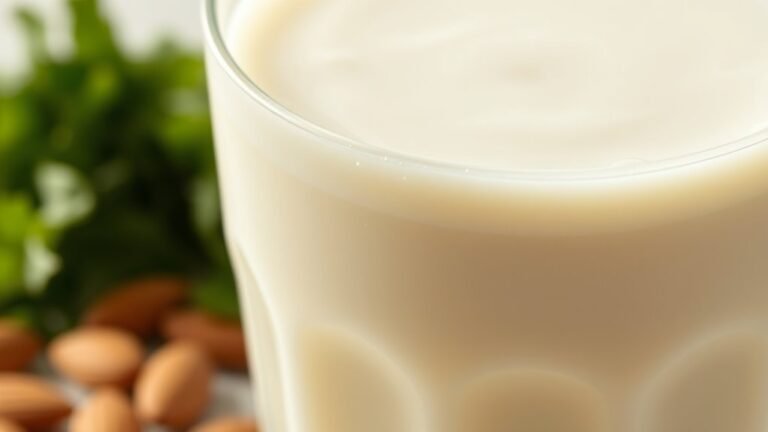
If you taste human breast milk, you’ll find it sweet and creamy, often with hints of vanilla or almond depending on diet. Its flavor changes throughout the day—morning milk is sweeter, while evening milk tends to be richer and creamier. What you eat, how hydrated you are, and even stress levels can gently influence the taste.
Compared to cow’s or goat’s milk, human breast milk is uniquely mild and complex. Exploring these nuances reveals even more fascinating details about its flavor profile and how it varies from person to person.
Factors Influencing the Flavor of Breast Milk

Although you might think breast milk tastes the same for every mother, several factors influence its flavor. The time of day plays a role; milk tends to be sweeter in the morning and creamier in the evening.
Your hydration levels and overall health can subtly affect taste, too. Stress and fatigue might cause slight changes, making milk taste less sweet.
The stage of lactation matters—you’ll notice early milk, called colostrum, is thicker and more concentrated, while mature milk is lighter and sweeter.
Additionally, how long milk is stored can alter its flavor; fresh milk tastes different from frozen or refrigerated milk.
Understanding these factors helps you appreciate the natural variations in breast milk’s flavor and how they meet your baby’s evolving needs.
How Diet Affects Breast Milk Taste

When you eat, the flavors of your food can subtly pass into your breast milk, influencing its taste. For example, if you enjoy garlic, your milk might carry a mild garlicky hint. Similarly, spicy foods can add a slight zest, while sweet fruits may lend a gentle sweetness.
Your baby may respond differently depending on these taste changes, sometimes showing preference or curiosity. Certain strong flavors, like caffeine or onion, might also affect the milk’s flavor, so being mindful of your diet can help you understand your baby’s feeding behavior.
However, a balanced diet rich in varied nutrients usually promotes a pleasant, mild taste. Paying attention to what you eat lets you shape your breast milk’s flavor, potentially making feeding more enjoyable for your little one.
Variations in Taste Throughout the Day

Since your body’s chemistry shifts throughout the day, the taste of your breast milk can change as well. These fluctuations reflect natural hormonal rhythms and what you’ve recently eaten or drank. You might notice subtle differences in sweetness, saltiness, or creaminess at various times.
Breast milk flavor naturally varies throughout the day due to hormonal changes and recent foods or drinks.
Consider these common variations:
Morning milk tends to be sweeter, thanks to higher lactose levels after fasting overnight.
Afternoon milk might taste slightly saltier as your body processes more fluids and minerals.
Evening milk often becomes richer and creamier due to increased fat content, helping soothe your baby before sleep.
Understanding these changes can help you anticipate your baby’s feeding preferences and better support their nutritional needs throughout the day.
Descriptions From Those Who Have Tasted Breast Milk
If you’ve ever wondered what human breast milk tastes like, accounts from those who’ve sampled it offer valuable insights. Many describe it as mildly sweet, with a creamy texture that’s lighter than cow’s milk.
Some mention subtle hints of vanilla or almond, while others notice a slightly nutty or floral undertone. The taste can also depend on the mother’s diet, making each experience unique.
You might find it richer or more watery depending on the fat content at the time. A few people say it has a faintly metallic or medicinal aftertaste, but that’s less common.
Comparing Breast Milk to Other Types of Milk
Understanding the unique taste of human breast milk sets the stage for comparing it to other types of milk you might be familiar with. Unlike cow’s or goat’s milk, breast milk has a naturally sweeter, more complex flavor thanks to its higher lactose content and varying fat levels.
Human breast milk offers a sweeter, more complex flavor than cow’s or goat’s milk due to higher lactose and fat levels.
When you compare them, you’ll notice:
- Cow’s milk: Rich and creamy but less sweet, with a slightly grassy or earthy undertone.
- Goat’s milk: Earthier and tangier, with a distinct aroma some find strong or even gamey.
- Breast milk: Delicately sweet, often described as creamy with subtle hints of vanilla or almonds.
The Impact of Health and Hydration on Flavor
Your health and hydration levels play a significant role in shaping the taste of breast milk. When you’re well-hydrated, your milk tends to be sweeter and more balanced in flavor. Dehydration can make it taste saltier or more concentrated.
What you eat and your overall health also influence the flavor. Certain foods like garlic, spices, or caffeine can subtly change the milk’s taste. Illness or medication might introduce bitterness or unusual notes.
Staying hydrated and maintaining a balanced diet helps keep the milk’s flavor pleasant and consistent. So, if you notice any changes in taste, consider your hydration and health status first.
These factors directly affect the milk’s natural sweetness and freshness, impacting your baby’s feeding experience.
Cultural Perspectives on Tasting Breast Milk
Although breast milk is a natural and essential food for infants worldwide, how people perceive and discuss its taste varies greatly across cultures. In some societies, tasting breast milk is seen as a bonding experience or a way to appreciate motherhood, while in others, it’s considered private or even taboo.
Perceptions of breast milk taste differ widely, reflecting cultural values from bonding to privacy.
When you explore these cultural differences, you’ll notice:
- In parts of Africa, women sometimes share breast milk to strengthen community ties.
- Some Asian cultures view breast milk as a symbol of purity and nourishment beyond infancy.
- Western societies often focus on the nutritional and health benefits rather than the taste itself.
Understanding these perspectives helps you see that tasting breast milk isn’t just about flavor but also deeply tied to social and cultural values.
Common Misconceptions About Breast Milk Taste
Since breast milk is often surrounded by mystery, you might encounter several misconceptions about its taste that don’t hold up to reality.
For example, some believe breast milk tastes bitter or sour, but in truth, it usually has a mildly sweet, creamy flavor.
Others assume it tastes the same for every mother, yet it actually varies based on diet, hydration, and even time of day.
You might also hear that breast milk tastes unpleasant or medicinal, but most who’ve tasted it describe it as gentle and pleasant.
Finally, some think breast milk’s taste is fixed, but it can change depending on what the mother eats, reflecting flavors from fruits, vegetables, or spices.
Understanding these facts helps clear up common myths you may have heard.
The Role of Breast Milk in Infant Nutrition and Flavor Preferences
When infants consume breast milk, they receive more than just essential nutrients; they also experience a variety of subtle flavors that shape their taste preferences early on. This early exposure helps your baby develop a palate that’s influenced by what you eat, setting the stage for future eating habits.
Breast milk adapts its flavor based on your diet, which means your baby discovers new tastes naturally. Here’s how breast milk influences your infant:
- Provides balanced nutrition tailored for growth and immune support
- Introduces diverse flavors linked to your meals, encouraging acceptance of different foods
- Reinforces bonding through smell and taste, creating comfort and familiarity
Frequently Asked Questions
Is It Safe for Adults to Taste Human Breast Milk?
Yes, it’s generally safe for adults to taste human breast milk if it’s fresh and from a healthy donor.
Just make sure it’s properly screened to avoid any infections or contaminants before trying it.
Can Breast Milk Be Frozen and Still Retain Its Taste?
Imagine Sarah freezing her baby’s breast milk for later. Yes, you can freeze breast milk, but it might slightly alter the taste and texture.
Still, it largely retains its nutritional value and flavor for your baby’s enjoyment.
How Is Breast Milk Collected for Tasting or Research?
You collect breast milk for tasting or research by using a breast pump or manual expression into a sterile container.
Make sure to wash your hands and clean equipment thoroughly to avoid contamination before storing or analyzing the milk.
Does Breast Milk Taste Different Based on the Mother’s Ethnicity?
You might notice subtle taste differences in breast milk due to a mother’s diet and genetics, which can vary by ethnicity. However, these variations are usually mild, so the overall flavor remains fairly consistent across different backgrounds.
Are There Any Risks of Allergies From Tasting Breast Milk?
You generally won’t face allergy risks from tasting breast milk unless you’re allergic to something the mother consumed. Still, if you have known sensitivities, it’s best to avoid tasting it to prevent any reactions.
Conclusion
Tasting human breast milk is like savoring nature’s sweetest gift, shaped by diet, health, and even the time of day. You’ll find its flavor can dance from creamy and sweet to slightly tangy, reflecting the unique story of the mother’s body.
Understanding these nuances not only deepens appreciation but also highlights breast milk’s essential role in infant nutrition and developing flavor preferences. This makes it a truly remarkable and personal experience.
In conclusion, the taste of human breast milk varies widely, influenced by many factors, and plays a crucial role in both nourishing infants and shaping their early taste experiences.