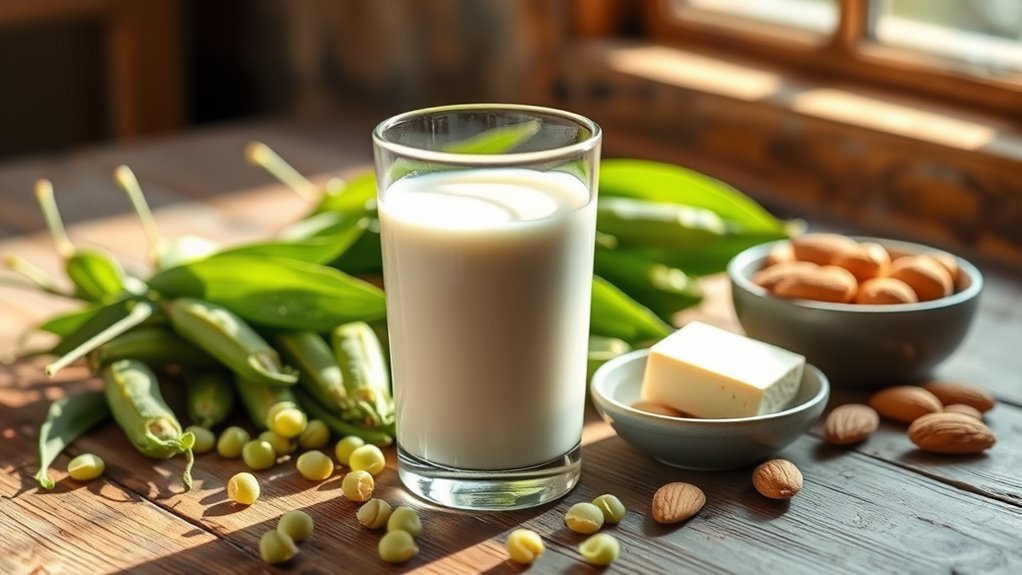
How to Benefit From Soybean Milk for Good Health and Nutrition
Did you know that drinking just one to two cups of soy milk daily can lower your LDL cholesterol by up to 5-6%? Incorporating soya bean milk into your diet offers numerous health benefits beyond being a simple dairy alternative. This nutritious beverage is especially helpful for improving heart health and managing menopause symptoms naturally.
Understanding the unique benefits of soya bean milk and how to incorporate it wisely can make a real difference in your well-being. Whether you’re aiming to reduce cholesterol or seeking plant-based nutrition, soy milk is a versatile choice.
Let’s explore how you can make the most of this nutritious option and enjoy its many health advantages.
Nutritional Profile of Soy Milk

Although soy milk might seem like just another plant-based beverage, it offers a robust nutritional profile that rivals cow’s milk. When you choose soy milk, you’re getting about 6.34 grams of protein per cup, packed with all essential amino acids. This makes it a high-quality, plant-based protein source.
Soy milk delivers a rich protein profile with all essential amino acids, rivaling the nutrition of cow’s milk.
It’s naturally lactose-free, so it suits those with lactose intolerance.
Plus, soy milk contains isoflavones like genistein and daidzein, powerful antioxidants that support your health. It also provides roughly 300 mg of calcium per cup, thanks to fortified nutrients such as vitamin D and potassium.
With around 105 calories and 3.5 grams of fat, soy milk balances nutrition and energy, making it a smart choice to enrich your diet without sacrificing taste or health.
Heart Health Advantages of Soy Milk

Because soy milk is rich in plant-based protein, unsaturated fats, and heart-friendly isoflavones, it offers significant benefits for your cardiovascular health. Regularly drinking soy milk can reduce your risk of heart disease by about 18%.
The plant-based protein and healthy fats in soy milk help lower harmful LDL cholesterol while raising beneficial HDL cholesterol, improving your overall cholesterol profile.
Isoflavones in soy milk promote better blood vessel function by relaxing vessel walls, which helps lower blood pressure.
Additionally, soy milk contains low saturated fat and cholesterol, making it a heart-healthy alternative to dairy. When fortified, soy milk provides calcium and potassium, essential nutrients that support healthy blood pressure and strengthen your cardiovascular system.
These combined beneficial effects make soy milk a smart choice for maintaining heart health.
Managing Menopause Symptoms With Soy Milk

When you include soy milk in your diet, you tap into the power of isoflavones like genistein and daidzein, which mimic estrogen and help ease hormonal shifts during menopause. These estrogen-like compounds, also known as phytoestrogens, support menopause management by promoting hormonal balance and reducing menopausal symptoms.
Regular consumption of soy milk can substantially decrease hot flashes and night sweats, offering effective menopause relief.
Additionally, the isoflavones in soy milk contribute to bone health by enhancing bone density and lowering osteoporosis risk in postmenopausal women.
By drinking soy milk daily, you harness its natural ability to improve sleep quality and mood, making it a valuable ally in managing the challenges of menopause.
Embracing soy milk is a practical step toward smoother menopause management.
Anti-Inflammatory and Antioxidant Benefits
Beyond easing menopause symptoms, soy milk offers powerful anti-inflammatory and antioxidant benefits that support your overall health. The isoflavones in soy milk, like genistein and daidzein, act as potent antioxidants that neutralize free radicals, reducing oxidative stress and preventing DNA damage.
This helps lower your risk of chronic diseases, including cardiovascular health issues. Additionally, these isoflavones work as anti-inflammatory agents by inhibiting pathways that cause inflammation, which decreases levels of inflammatory markers such as C-reactive protein (CRP).
Soy Milk as a Dairy Alternative
If you’re looking for a lactose-free, plant-based option, soy milk offers a nutritious alternative to cow’s milk.
As a dairy alternative, soy milk provides a high-quality protein source with about 6-8 grams per cup, making it excellent for vegans and those avoiding animal products.
It’s often fortified with calcium, vitamin D, and B12 to match the nutrients found in dairy milk.
Naturally cholesterol-free and low in saturated fat, soy milk supports heart health when you use it instead of regular milk.
Plus, soy milk is versatile—you can use it in cooking, baking, coffee, cereals, or smoothies.
Whether you buy fortified commercial soy milk or make it at home, it’s a smart, healthful choice that fits well into a balanced, plant-based diet.
Cancer Risk Reduction and Soy Milk
Although many factors influence cancer risk, drinking soy milk can play a protective role thanks to its isoflavones like genistein and daidzein. These phytoestrogens act as selective estrogen receptor modulators, helping reduce the risk of hormone-related cancers such as breast cancer.
Studies show that soy milk’s isoflavones inhibit cancer cell growth and support hormonal balance without increasing risk. The antioxidant properties of soy protein in soy milk combat oxidative stress and DNA damage, boosting cancer prevention efforts.
Regular soy milk consumption offers dietary benefits by providing these natural compounds, contributing to overall cancer risk reduction.
Incorporating Soy Milk Into Daily Meals
Including soy milk in your meals not only supports cancer risk reduction but also adds valuable nutrients to your diet. You can easily incorporate soy milk into your daily meals by adding it to your morning cereal or coffee, boosting protein intake and promoting heart health.
Use soy milk as a dairy substitute in baking, smoothies, and sauces to enjoy plant-based health benefits while lowering cholesterol. Try adding it to soups and curries in your recipes to enhance flavor and nutritional value.
Replacing cow’s milk with soy milk offers a lactose-free, low-saturated-fat alternative that supports better cholesterol and blood pressure levels. Consuming 1-2 cups of fortified soy milk daily helps improve heart health and bone strength, making it a smart addition to your everyday diet.

Considerations and Precautions When Consuming Soy Milk
While soy milk offers numerous health benefits, you should be mindful of certain precautions to avoid potential risks. Pay attention to consumption considerations, especially if you have allergies; those allergic to soy must avoid soy milk completely to prevent severe reactions.
Be cautious with soy milk if you have allergies to avoid serious health risks.
Monitor your dosage, sticking to 1-2 cups daily to enjoy dairy alternatives without triggering hormonal imbalances or digestive issues. If you have thyroid function concerns or iodine deficiency, consult a healthcare provider since isoflavones in soy milk may interfere with hormone production.
Pregnant or breastfeeding women should also seek medical advice before adding soy milk to their diets due to its phytoestrogen content.
Additionally, choose brands with minimal additives to reduce gut inflammation risks.
Following these dietary precautions ensures you safely benefit from soy milk’s health benefits.
Frequently Asked Questions
Is It Healthy to Drink Soy Milk Every Day?
Yes, you can drink soy milk every day safely. It provides quality plant protein and nutrients, supports heart health, and reduces inflammation.
Just avoid it if you have allergies or thyroid issues, and consult your doctor if unsure.
What Are the Benefits of Drinking Soya Bean Milk?
You get protein, antioxidants, and essential nutrients; you support muscle, reduce inflammation, and boost bone health.
Drinking soya bean milk lowers cholesterol, improves heart health, and offers a lactose-free, vegan-friendly dairy alternative you’ll appreciate.
What Is the Best Time to Drink Soy Milk?
You should drink soy milk in the morning for energy, around workouts for muscle recovery, or evenly throughout the day for hormone balance.
Pair it with meals to improve nutrient absorption and support heart health consistently.
When Not to Drink Soy Milk?
Think of soy milk as a river. Don’t drink when it floods.
Avoid soy milk if you have allergies, thyroid issues, or estrogen-sensitive conditions. Never overconsume to prevent digestive storms.
Always check with your health guide.
Conclusion
Including 1-2 cups of fortified soy milk daily can boost your intake of high-quality protein and antioxidants, supporting heart health and easing menopause symptoms.
Studies show that consuming soy protein regularly may reduce LDL cholesterol by up to 5-6%, which helps lower heart disease risk.
Just remember to choose minimally processed options and consult your healthcare provider if you have soy allergies or thyroid concerns.
By making soy milk a simple part of your diet, you’re investing in long-term wellness. Benefits of soya bean milk for good health include improved heart health, better menopausal support, and enhanced protein intake.