How Long Is Milk Good After the Sell-By Date?
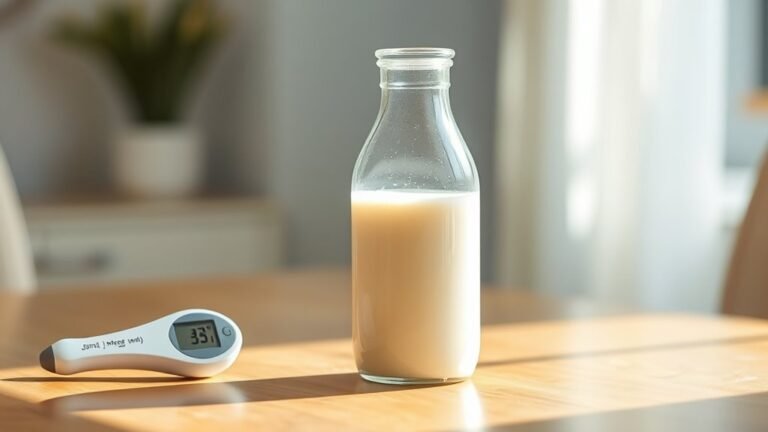
How long is milk good after the sell-by date? You can usually use milk safely for up to a week after the sell-by date if you keep it properly refrigerated and sealed. Trust your senses—if it smells sour, looks lumpy, or tastes off, it’s best to discard it.
Store milk in the coldest part of your fridge, tightly sealed, and avoid leaving it out too long. Proper storage helps keep it fresh longer. Want to know how to tell if your milk’s still good and how to keep it fresh even longer?
Understanding the Sell-By Date on Milk

Although the sell-by date on milk might seem like a strict deadline, it actually serves as a guideline for retailers rather than a definitive indicator of spoilage. You’ll notice this date helps stores manage inventory and ensure they sell milk while it’s still fresh.
It’s not a safety date, so your milk can often remain good past this point. When you buy milk, you should treat the sell-by date as a reference but rely more on your senses to judge freshness.
Smell and look at the milk before using it. If it smells sour or looks lumpy, it’s time to discard it, regardless of the date.
Understanding this helps you reduce unnecessary waste and makes your milk usage more efficient.
Factors Influencing Milk Freshness After the Sell-By Date

Since milk’s freshness depends on more than just the sell-by date, you should consider several factors that influence how long it stays good. These elements will help you judge whether your milk is still safe to use after the date has passed.
Milk freshness hinges on multiple factors beyond the sell-by date, guiding safe use decisions.
Storage Temperature: Milk kept consistently cold lasts longer.
Packaging Integrity: Sealed containers prevent contamination.
Exposure to Light: Light can speed up spoilage.
Handling Practices: Frequent opening introduces bacteria.
Milk Type: Pasteurized, raw, or ultra-pasteurized milk spoil at different rates.
How to Properly Store Milk to Extend Its Shelf Life

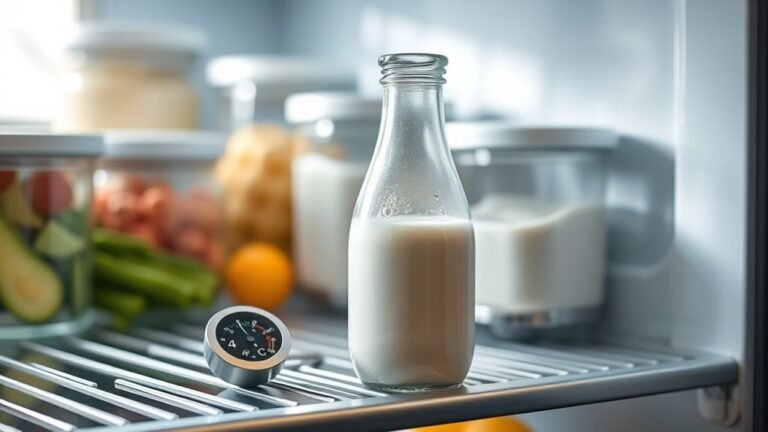
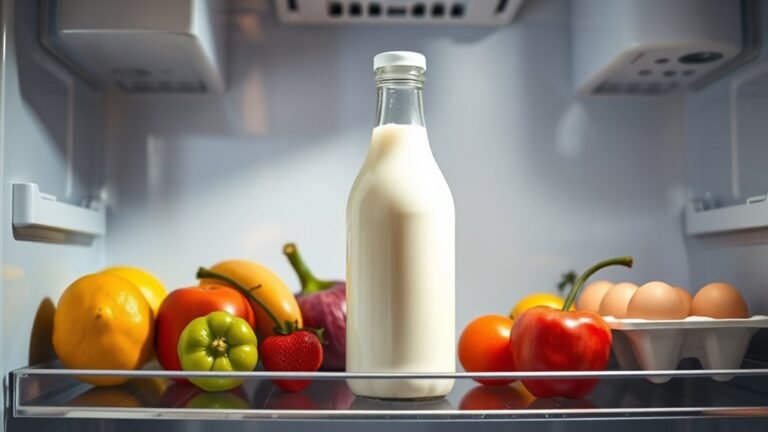
To keep your milk fresh for as long as possible, proper storage plays a key role. Always store milk in the coldest part of your fridge, usually the back of the bottom shelf, rather than the door where temperatures fluctuate.
Keep the container tightly sealed to prevent exposure to air and odors. Avoid leaving milk out at room temperature for extended periods. Return it to the fridge promptly after use.
If you buy milk in large quantities, consider dividing it into smaller containers to reduce how often you open the main jug, limiting contamination.
Also, keep your fridge temperature below 40°F (4°C) to slow bacterial growth.
Signs That Milk Has Gone Bad
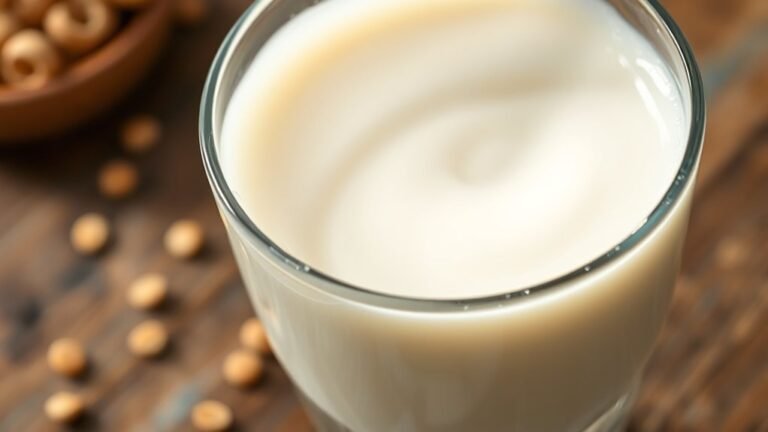
How can you tell if your milk has gone bad? Trust your senses; they’re your best guide. Spoiled milk usually reveals itself quickly once you know what to look for. Here are the key signs:
- Sour smell: A sharp, unpleasant odor is a clear warning.
- Lumpy texture: Milk that’s curdled or clumpy isn’t safe to drink.
- Off taste: If it tastes sour or unusual, don’t swallow it.
- Discoloration: Yellowish or pink hues indicate spoilage or contamination.
- Swollen container: Expanding packaging can mean bacterial growth inside.
If you notice any of these, it’s best to discard the milk immediately. Don’t rely only on dates; your senses provide real-time freshness checks to keep you safe.
Safe Usage Tips for Milk Past Its Sell-By Date
Even after the sell-by date has passed, you can often use milk safely if you store it properly and check it regularly.
Keep your milk refrigerated at or below 40°F (4°C) to slow bacterial growth. Always seal the container tightly to prevent contamination and odors from other foods.
Before using, give the milk a good sniff and look for any changes in color or texture. If it smells sour, has lumps, or looks off, discard it immediately.
Pour milk into a separate container rather than drinking directly from the carton to avoid introducing bacteria.
Use older milk for cooking or baking, where slight sourness won’t affect taste.
Frequently Asked Questions
Can You Freeze Milk to Extend Its Shelf Life?
Yes, you can freeze milk to extend its shelf life. Just make sure to leave space for expansion, thaw it in the fridge, and shake well before use since freezing may change its texture slightly.
Is Milk Powder a Better Alternative After Expiration?
Yes, milk powder is a better alternative after expiration because it lasts longer and doesn’t spoil easily. You can reconstitute it anytime.
You’ll save money and reduce waste compared to fresh or frozen milk.
How Does Milk Spoilage Affect Cooking and Baking?
Spoiled milk changes flavor and texture, ruining your dishes. You’ll notice sour taste and clumps, which can affect baking rise and cooking consistency.
Always use fresh milk to guarantee your recipes turn out perfectly every time.
Are Organic Milks Safer Past the Sell-By Date?
Organic milk isn’t necessarily safer past the sell-by date since spoilage depends on storage and handling. You should always check smell, taste, and appearance before using any milk, organic or not, to make certain it’s still good.
Can Probiotics in Milk Remain Effective After Expiration?
You might find it surprising, but probiotics in milk can still be effective after expiration, though their potency usually declines.
Conclusion
Don’t panic if your milk’s past the sell-by date—you’re not doomed to a fridge full of spoiled milk overnight! If you store it properly and check for sour smells or curdled texture, you can often enjoy it safely for several days beyond that date.
Just trust your senses and keep it cold. Remember, milk isn’t some ticking time bomb; with a little care, you can avoid wasting gallons of perfectly good milk!
In conclusion, knowing how long milk is good after the sell-by date helps reduce unnecessary waste while keeping your milk safe and fresh. Always rely on proper storage and sensory checks to extend your milk’s usability beyond the sell-by date.