How Many Milk Teeth Do You Lose in Total? Complete Dental Guide
You might be surprised to learn exactly how many milk teeth you lose as a child. The total number of milk teeth lost is often underestimated. It’s more than just a few wiggly teeth falling out here and there. Understanding this natural process can give you valuable insight into child development.
Typically, children lose 20 milk teeth in total. These teeth fall out over several years, usually between ages 6 and 12. Knowing the order in which these teeth come out can help you spot when changes are about to happen.
But there’s more to it than just counting teeth—there’s a lot happening beneath the surface. The roots of milk teeth dissolve to make way for permanent teeth. This process is essential for healthy adult teeth to emerge properly.
Total Number of Milk Teeth in Children

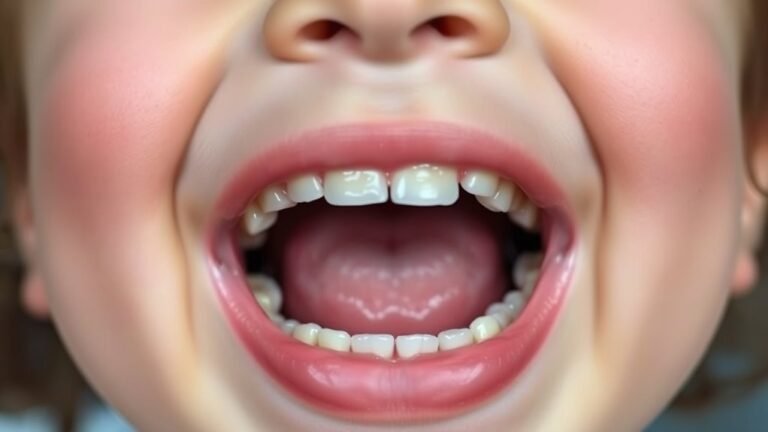
Children have a total of 20 milk teeth, including 8 incisors, 4 canines, and 8 molars. These baby teeth, also called primary teeth, usually appear by the time children reach 3 years old.
You’ll notice that this total number is important because it sets the stage for your child’s oral development.
This total number lays the foundation for your child’s healthy dental growth and future smile.
While milk teeth are temporary, they play a key role in holding space for permanent teeth that will replace them later.
When children start to lose their baby teeth, typically around age 6 or 7, the total number of milk teeth decreases until permanent teeth take their place.
Understanding this total number helps you keep track of your child’s dental milestones and guarantees their smile stays healthy as they shift from primary to permanent teeth.
Typical Timeline for Losing Baby Teeth

Although losing baby teeth can feel like a big milestone, you’ll typically see your child start this process around age 6. This timeline for losing baby teeth usually begins with the central incisors between ages 6 and 7.
By age 12, all 20 primary teeth are generally replaced by permanent teeth. Your child’s baby teeth fall out in roughly the same order they came in, which means canines and molars tend to be lost later, around ages 9 to 12.
As your child loses their baby teeth, permanent teeth gradually take their place, making room for a full adult smile. Keeping track of this natural progression helps you understand what to expect as your child’s mouth develops.
Order in Which Baby Teeth Are Lost

As your child’s baby teeth start to fall out, they usually do so in a specific order. The sequence generally follows the order in which the primary teeth erupted during childhood.
First, your child will lose the lower central incisors, then the upper central incisors come out.
After that, the baby teeth continue to fall out in a predictable pattern. Canines and molars are lost later, often between ages 9 and 12.
The last primary teeth to be lost are typically the second molars, making room for the permanent teeth to emerge.
Understanding this order helps you anticipate which baby teeth your child will lose next and when, making the transition to their permanent teeth smoother for both of you.
Differences Between Baby Teeth and Adult Teeth
While baby teeth serve as important placeholders, adult teeth differ markedly in size, number, and function. You start with 20 primary teeth, including incisors, canines, and molars, which are smaller and fewer than your permanent teeth.
During tooth development, these baby teeth guide the proper alignment and spacing for adult teeth. As you lose teeth through childhood, a dental shift occurs where 32 adult teeth gradually replace the primary teeth.
Adult teeth are larger, stronger, and better suited for chewing and speaking. This changeover ensures your mouth adapts to your growing jaw and changing needs.
Understanding these differences helps you appreciate why losing baby teeth is a natural, necessary step toward a healthy, functional set of permanent teeth.
Signs That Baby Teeth Are Ready to Fall Out
You’ll notice your baby teeth start to feel loose and wobbly between ages 4 and 7, signaling that permanent teeth are pushing through. Common signs that baby teeth are ready to fall out include increased mobility, visible wiggling, and sometimes the tooth appears longer.
You might also feel mild tenderness in the gums, which is normal. Teeth have usually loosened gradually and will fall out on their own, without needing force. Most children lose all 20 baby teeth by age 12, completing the passage to adult teeth.
| Sign | Description | Typical Age Range |
|---|---|---|
| Loose/Wobbly Tooth | Tooth moves easily when touched | 4 to 7 years |
| Longer Tooth Appearance | Tooth looks slightly extended | 4 to 7 years |
| Gum Tenderness | Mild discomfort around tooth | 4 to 7 years |
Caring for Teeth During the Transition to Adulthood
Though losing baby teeth marks an important milestone, caring for your child’s teeth during this shift is crucial to guarantee a healthy adult smile.
As permanent teeth gradually replace baby teeth between ages 6 and 12, you should maintain consistent dental care routines.
Proper brushing and flossing help protect both remaining baby teeth and emerging permanent teeth, preventing cavities and misalignment.
Regular visits to a pediatric dental professional allow monitoring of teeth loss progress and assure oral health stays on track.
Addressing issues early, like delayed eruption or crowding, supports smooth transitions.

Frequently Asked Questions
How Many Milk Teeth Fall Off?
You lose a total of 20 milk teeth as they fall out to make room for your permanent teeth. This usually happens between ages 6 and 13, starting with your lower front teeth and moving back.
What Is the Rule of 7 in Pediatric Dentistry?
Think of the Rule of 7 as your child’s dental roadmap. It guides you through when milk teeth fall out, starting around age 6, following the order they appeared. This helps you track their smile’s natural transformation.
How Many Milk Teeth Are Lost?
You lose a total of 20 milk teeth throughout childhood. These teeth fall out gradually, making space for your permanent adult teeth to come in between ages 6 and 12, starting with your lower front teeth.
Do You Lose All 20 of Your Baby’s Teeth?
Yes, you’ll watch your child’s teeth tumble, twenty tiny treasures turning to permanent pearls.
You don’t miss any; each baby tooth makes way for a stronger, sturdier smile by early adolescence, ensuring a complete, confident grin.
Conclusion
So, you’re losing all 20 of your precious baby teeth—eight incisors, four canines, and eight molars—between ages 6 and 12. Think of it as nature’s awkward rite of passage, a toothy eviction making room for your grown-up set of 32.
Sure, it’s messy and sometimes painful, but hey, it’s your body’s way of saying, “Congrats, you’re officially less adorable and more capable of chewing steak.”
Welcome to the big leagues! Losing your milk teeth is a natural step in growing up, and understanding how many milk teeth you lose in total helps you appreciate this milestone even more.