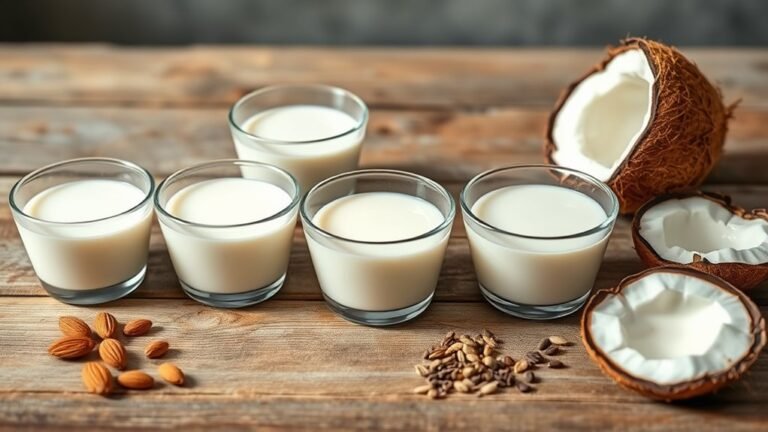
How to Tell If Drinking Soy Milk Is Good for You: Benefits, Risks, and Tips
When it comes to adding soy milk to your diet, it’s not always just a simple swap—it can quietly influence your health in ways you might not immediately notice. Drinking soy milk is good for you if it supports your nutritional needs and fits well with your body’s reactions. You’ll want to pay attention to how your body reacts over time, since soy’s unique components interact differently with each person.
Before you decide if it’s the right choice for you, consider a few key signs and factors that reveal its true impact. Monitoring changes in digestion, energy levels, and any allergic responses can help determine if soy milk is beneficial for your health. Keep in mind that individual responses vary, so what works for one person might not work for another.
Understanding Soy Milk and Its Nutritional Composition

Soy milk offers you a complete protein source, containing all nine essential amino acids, making it a valuable plant-based beverage. Its nutritional composition includes about 8.7 grams of protein per cup, along with healthy fats and minimal carbohydrates.
Naturally, soy milk contains isoflavones, plant compounds that may influence hormonal activity.
When you choose fortified soy milk, you get added calcium and vitamins like D and B12, boosting its nutritional value.
Since soy milk is lactose- and gluten-free, it suits those with intolerances or dietary restrictions.
By understanding these components, you see why soy milk stands out as a nutrient-rich option.
This complete protein and its additional nutrients provide a solid foundation for various health benefits without relying on animal products.
Key Health Benefits of Drinking Soy Milk

Why should you consider adding this plant-based milk to your diet? Soy milk offers several key health benefits that make it a smart choice. Here’s why:
Discover why soy milk is a smart, health-boosting addition to your diet.
- It provides complete plant-based protein along with essential vitamins and minerals, supporting overall health.
- Soy milk contains isoflavones, powerful antioxidants that help reduce inflammation and lower the risk of chronic diseases.
- Regularly drinking soy milk can improve cholesterol levels by decreasing LDL and increasing HDL cholesterol.
- Its natural phytoestrogens aid hormone balance, helping to alleviate menopausal symptoms like hot flashes.
How Soy Milk Supports Heart and Brain Health

How exactly does drinking soy milk benefit your heart and brain? Soy milk supports heart health by lowering LDL cholesterol and regulating blood pressure through its isoflavones and potassium.
It also aids brain health with omega-3 fatty acids that reduce dementia risk. Plus, antioxidants and plant-based protein combat inflammation, protecting both organs.
| Benefit | Key Component | Impact |
|---|---|---|
| Heart Health | Isoflavones, Potassium | Lowers blood pressure, LDL cholesterol |
| Brain Health | Omega-3 Fatty Acids | Reduces dementia, Alzheimer’s risk |
| Inflammation | Antioxidants, Protein | Protects heart and brain tissue |
The Role of Soy Milk in Menopause Symptom Relief
Although menopause brings challenging symptoms like hot flashes and night sweats, drinking soy milk can offer relief by providing isoflavones, plant-based compounds that mimic estrogen in your body. These phytoestrogens support hormonal balance and help reduce discomfort.
Here’s how soy milk aids menopause relief:
- Soy milk contains isoflavones like genistein and daidzein, which act as weak estrogen mimics.
- Regular consumption may decrease menopause symptoms such as hot flashes and night sweats.
- Soy protein supports overall hormonal balance during menopause.
- Women who drink soy milk often report fewer menopause symptoms compared to those who don’t.
Potential Risks and Drawbacks of Soy Milk Consumption
While soy milk offers several health benefits, it’s important to be aware of its potential risks and drawbacks.
Excess consumption of soy milk, especially over 500ml daily, can cause digestive issues like diarrhea, bloating, and poor nutrient absorption.
Drinking more than 500ml of soy milk daily may lead to bloating, diarrhea, and nutrient absorption problems.
The soy isoflavones it contains might interfere with thyroid function, particularly if you have iodine deficiency or thyroid disorders.
If you have soy allergies, you should avoid soy milk altogether to prevent severe reactions.
Additionally, some soy milk brands include additives such as carrageenan, which may trigger gut inflammation and gastrointestinal discomfort.
Be cautious of added sugars in soy milk, as they can increase calorie intake and raise the risk of metabolic issues like diabetes.
Being mindful of these health risks helps you enjoy soy milk safely.
Daily Soy Milk Intake: What Is Considered Safe?
A safe daily intake of soy milk generally falls between 300 to 500ml, or about 1 to 2 servings. Sticking to this recommended amount helps you enjoy the nutrients soy milk offers without risking adverse health effects.
Here’s what you should keep in mind for safety and moderation:
-
- Limit your daily intake to 300-500ml to avoid digestive issues or hormonal impact.
- One serving is roughly 240ml, aligning with expert guidelines.
- Children should consume less than 300ml daily to stay within safe limits.
- If you have thyroid problems or allergies, consult a healthcare provider before increasing soy milk consumption.
Comparing Soy Milk to Other Dairy and Plant-Based Milks
You are trained on data up to October 2023. When comparing soy milk to other dairy alternatives, you’ll find that fortified soy milk stands out for its protein content and nutrient comparison.
Unsweetened soy milk offers about 8.7 grams of protein per cup, similar to cow’s milk, and contains calcium and vitamin D comparable to dairy. Many plant-based milks vary widely in these nutrients.
| Milk Type | Protein Content (g) | Saturated Fat (g) |
|---|---|---|
| Soy Milk | 8.7 | 0.5 |
| Almond Milk | 1 | 0.1 |
| Coconut Milk | 0.5 | 4.5 |
| Oat Milk | 2.5 | 0.1 |
| Pea Milk | 8 | 0.5 |
Choosing soy milk supports health benefits with balanced protein and lower saturated fat among plant-based milks.
How to Incorporate Soy Milk Into Your Diet
Since soy milk offers a rich source of protein and essential nutrients, incorporating it into your diet can be both simple and rewarding.
To enjoy its health benefits and boost calcium intake, try these tips:
- Pour soy milk over your cereal or blend it into smoothies for a nutritious breakfast.
- Use soy milk as a dairy substitute in coffee, baking, or savory recipes like sauces and curries.
- Choose fortified soy milk to ensure you get essential minerals like calcium and vitamin D.
- Gradually replace traditional milk with 1-2 servings of soy milk daily to maximize benefits without overconsumption.
Homemade Soy Milk: Preparation and Storage Tips
If you want more control over the ingredients and freshness of your soy milk, making it at home is a great option. Start by soaking soybeans overnight, then blend them with water at a 1:9 ratio.
Strain the mixture to get your homemade soy milk and boil it for 10 minutes to guarantee safety by removing harmful compounds. Proper storage is key. Keep your soy milk in an airtight container in the fridge and consume it within 3 to 5 days to avoid spoilage and health risks.
| Preparation Step | Storage Tip |
|---|---|
| Soak soybeans | Refrigerate immediately |
| Strain mixture | Use airtight containers |
| Boil soy milk | Consume within 3–5 days |
Monitoring Your Body’s Response to Soy Milk Consumption
Monitoring Your Body’s Response to Soy Milk Consumption
Although soy milk offers many health benefits, monitoring how your body reacts to it is essential to guarantee it suits you well. Pay close attention to your body response and symptoms to avoid issues like intolerance or sensitivity.
- Track digestive changes such as bloating, diarrhea, or constipation, which may signal intolerance.
- If you have thyroid concerns, monitor your thyroid function since soy can affect iodine absorption and hormone levels.
- Watch for allergic reactions like hives, swelling, or breathing difficulty, especially if you have a soy allergy.
- Note any shifts in hormonal balance, such as breast tenderness or hot flashes, to assess soy’s impact.
Regular health monitoring and consulting your healthcare provider ensure soy milk benefits you without adverse effects.

Frequently Asked Questions
Is It Healthy to Drink Soy Milk Every Day?
Yes, you can drink soy milk daily, but stick to 1-2 cups to enjoy benefits like better bone health and cholesterol.
Just avoid excess intake or if you have allergies or thyroid issues to stay safe.
What’s the Downside to Soy Milk?
The downside to soy milk is it can cause digestive issues, interfere with thyroid function if you have deficiencies, trigger allergies, promote gut inflammation from additives, and lead to nutritional imbalances if you rely on it too much.
When Should You Not Drink Soy Milk?
Don’t drink soy milk if it’s a ticking time bomb for your health, like if you have a soy allergy, thyroid issues, hormone-sensitive conditions, or if you’re pregnant without medical advice. Moderation and caution keep you safe.
Is Soy Milk Good for You While Pregnant?
Yes, soy milk can be good for you while pregnant if you drink it in moderation. Make sure it’s fortified with vitamins and consult your doctor if you have allergies or thyroid concerns to stay safe and healthy.
Conclusion
Drinking soy milk can be a gentle breeze or a storm for your body—it all depends on how you listen to its whispers. Tune into your energy, digestion, and mood like a careful gardener watching new blooms.
Sip mindfully, watch for any signs, and consult your healthcare guide. With balance and attention, soy milk might just become a nourishing river flowing through your wellness journey.
Pay attention to how it makes you feel to determine if drinking soy milk is good for you. This mindful approach helps you thrive without disrupting your natural harmony.