What Does Human Breast Milk Taste Like? Exploring Flavor and Facts
If you’ve ever wondered what human breast milk tastes like, you might be curious about how its flavor compares to other milks.
You’ll find it’s not just sweet but also subtle, with hints shaped by many factors. Understanding these nuances can change how you think about infant nutrition and the unique qualities of breast milk.
There’s more to discover about its taste and what influences it. Exploring these details reveals the complexity and special nature of human breast milk.
What Does Human Breast Milk Taste Like?

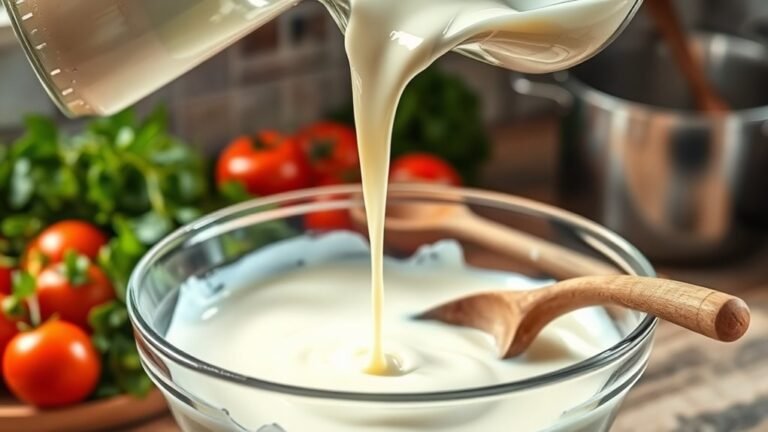
Although individual experiences may vary, you’ll often find that human breast milk tastes sweet, primarily due to its lactose content. The breast milk taste is generally mild and pleasant, often described as lightly sweet with a watery texture.
Many compare the flavor of fresh human milk to sweetened almond milk or melted ice cream, highlighting its gentle sweetness. You might notice subtle variations in breast milk flavor, but these typically stem from diet influence rather than inherent differences.
It’s important to note that fresh human milk seldom tastes sour or off unless affected by improper storage. Proper storage preserves its mild sweetness and pleasant flavor, ensuring that the milk remains enjoyable and nutritious for the infant.
Factors Influencing Breast Milk Flavor

Because what you eat and your body’s condition directly affect breast milk, its flavor can vary markedly. The flavor of breast milk changes with your maternal diet. Foods like garlic, mint, or alcohol can alter its taste within hours or days. Even bitter foods you eat can make the foremilk taste more bitter.
Diet influence doesn’t stop there; enzymes such as lipase can change the taste of breast milk if it isn’t stored properly, often causing a soapy or sour flavor after freezing or long storage.
Physical conditions like mastitis also affect flavor by increasing saltiness or umami notes due to inflammation. Understanding these factors helps you appreciate why the taste of breast milk isn’t fixed but a dynamic reflection of your body and habits.
How Breast Milk Smells and Why It Matters

When you warm or store breast milk, you might notice its mild, sweet aroma, which often resembles that of mild cow’s milk. The breast milk smell can shift based on storage and freshness, so proper storage in airtight containers is key to preserving its natural scent and flavor of breast milk.
If your milk has high lipase levels, you might detect a soapy smell after freezing and thawing, which is normal though some babies may reject it.
Maternal diet influence also plays a role, introducing taste variation with foods like garlic or mint affecting the milk’s aroma.
Be alert for spoilage smell. An off, sour scent signals that milk has gone bad and should be discarded to keep your baby safe and content.
Comparing Breast Milk to Cow’s Milk
If you’ve ever wondered how human breast milk stacks up against cow’s milk, you’ll find they differ quite a bit in taste, texture, and nutritional makeup.
When you do a taste comparison, human breast milk comes off sweeter and thinner, resembling a sweeter skim milk, while cow’s milk offers a richer, creamier flavor with a denser consistency.
Nutritional differences also stand out: human breast milk has higher carbohydrates and a unique whey-to-casein ratio tailored for infant digestion, whereas cow’s milk contains more protein but fewer carbs.
These distinctions make human milk more digestible and less likely to cause allergies.
The Consistency of Human Breast Milk
Beyond taste and nutrition, the consistency of human breast milk plays a big role in how babies experience feeding. You’ll notice breast milk is generally thinner and more watery than cow’s milk, with a fluid, low viscosity that makes swallowing easier for infants.
Early in a feeding, the milk is quite watery, but as the fat content rises later on, its consistency thickens slightly. This change helps satisfy the baby’s hunger more effectively.
The overall texture isn’t fixed—it can vary depending on maternal diet, hydration, and the stage of lactation.
These factors influence breast milk’s viscosity, ensuring it adapts to an infant’s needs. So, the consistency you encounter isn’t just about taste; it’s a dynamic aspect of nourishment and comfort.
The Nutritional Composition of Breast Milk
Although you might primarily think of breast milk as nourishment, its nutritional composition is a carefully balanced blend of water, carbohydrates, fats, proteins, vitamins, and minerals designed to support an infant’s growth. Here’s what makes it special:
Breast milk is a perfectly balanced blend of nutrients essential for infant growth and development.
- Lactose, the main carbohydrate, accounts for about 7% of breast milk and gives it a naturally sweet taste.
- Fats provide essential energy and aid brain development.
- Proteins support tissue growth and include enzymes that help digestion.
- Vitamins and minerals ensure proper organ function and overall health.
Additionally, breast milk contains immune components and bioactive molecules that protect your baby and help their immune system mature. This intricate mixture adapts to meet your infant’s changing needs, making it a uniquely tailored source of nutrition.
How Maternal Diet Affects Milk Taste
Since what you eat directly influences the flavors in your breast milk, maternal diet plays a key role in shaping how milk tastes to your baby. The flavor of breast milk can change based on the food impact from garlic, mint, or spices you consume, creating noticeable taste variation.
Even strong flavors like curry or onions cause milk flavor changes within hours, which may affect your infant feeding experience. Dietary influence extends to alcohol, which can alter milk’s smell and taste for a few hours after drinking.
Bitter or spicy foods might make foremilk taste more bitter, adding to the milk’s natural variability throughout a feeding session. These milk flavor changes help your baby get accustomed to diverse tastes, highlighting how your maternal diet actively shapes their feeding journey.
Is It Safe for Adults to Consume Breast Milk?
If you’re considering drinking breast milk as an adult, it’s important to know that it can be safe but only when sourced from reputable milk banks that screen and pasteurize the milk thoroughly.
Breast milk safety hinges on avoiding contamination risk by relying on credible sources. Here’s what you should keep in mind:
- Milk banks rigorously test for pathogens to ensure safety.
- Pasteurization eliminates harmful bacteria, making milk safe for adult consumption.
- Consuming unverified milk from strangers risks infections or exposure to toxins.
- Some adults seek health benefits like immune support, though evidence is limited.
Always consult healthcare professionals before trying breast milk from any source to prioritize your health and safety.
Proper Storage and Handling of Breast Milk
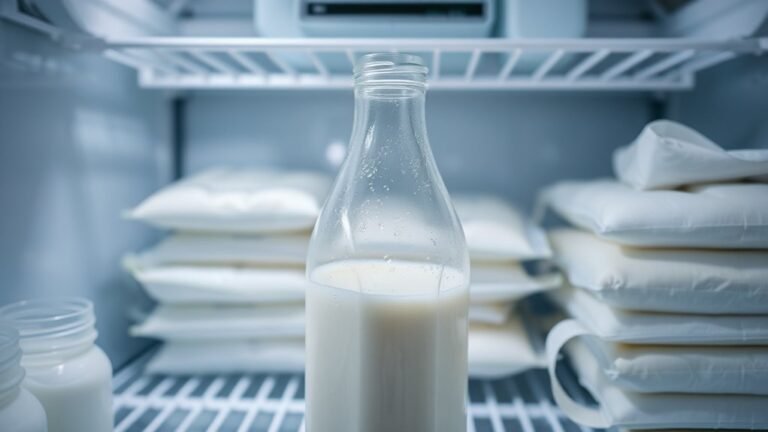
When you store breast milk, using clean, airtight containers is essential to keep it free from contamination and spoilage. Proper storage and handling start with washing your hands and sterilizing equipment to minimize bacterial growth.
Freshly expressed milk stays good in the refrigerator at 4°C (39°F) for up to four days.
If you freeze it, breast milk can last six to twelve months, but maintaining a consistent frozen temperature is key.
Always label containers with the date and time of expression to use the oldest milk first and avoid waste.
When thawing frozen milk, do it gradually in the refrigerator or by placing the container in warm water.
Never use a microwave, as it can cause uneven heating and destroy nutrients.
Proper care preserves the milk’s quality and safety.

Methods to Taste and Test Your Own Breast Milk
Although tasting your own breast milk may seem unusual, it can be a helpful way to monitor its flavor and quality. By testing your milk, you can detect spoilage early and ensure its health benefits remain intact.
Here’s how to safely taste and test your breast milk:
- Always wash your hands and clean pumping equipment thoroughly before expressing milk to avoid contamination.
- Taste the milk immediately after expression to accurately assess its natural flavor and catch any sour or unusual notes.
- Store milk in clean, airtight containers in the refrigerator and sample within 24 hours to monitor flavor changes during storage.
- If you notice soapy or fishy tastes caused by lipase, gently heat the milk to reduce these off-flavors.
Following these steps helps you maintain the best taste and health quality of your breast milk.
Frequently Asked Questions
How Does Human Breast Milk Taste?
You’ll find human breast milk tastes mildly sweet and creamy, sometimes like diluted milk or almond milk. Its flavor changes during feeding and can vary depending on diet, often with hints of vanilla or melted ice cream.
Is Breast Milk Healthy for My Husband?
Breast milk can offer some immune and nutritional benefits for your husband, but it’s not a regular adult food. Make sure it’s properly screened and pasteurized to avoid health risks before considering consumption.
Can I Drink My Own Breast Milk?
You can drink your own breast milk; it’s like sipping nature’s sweetest gift.
Just make sure you practice good hygiene when expressing and storing it to keep it safe and healthy for you.
Is Human Breast Milk Sweet or Sour?
Human breast milk is usually sweet because of its lactose content, but it can taste sour if it’s spoiled or improperly stored.
You should always check the milk’s freshness before feeding it to your baby.
Conclusion
You’ll find human breast milk’s mild, mellow, and magically mild sweetness makes it a memorable marvel. Its flavor flexes with your food, from fresh and fruity to faintly fragrant, fueling natural feeding feelings. Though it’s mainly meant for infants, understanding its unique taste and texture teaches you about nurturing nature’s nourishment.
So, savor the subtle sweetness and stay savvy about safe storage to support your little one’s healthy happiness. Knowing what does human breast milk taste like helps parents and caregivers appreciate this vital source of nutrition. Proper handling ensures the milk remains fresh and beneficial for the baby’s growth and development.