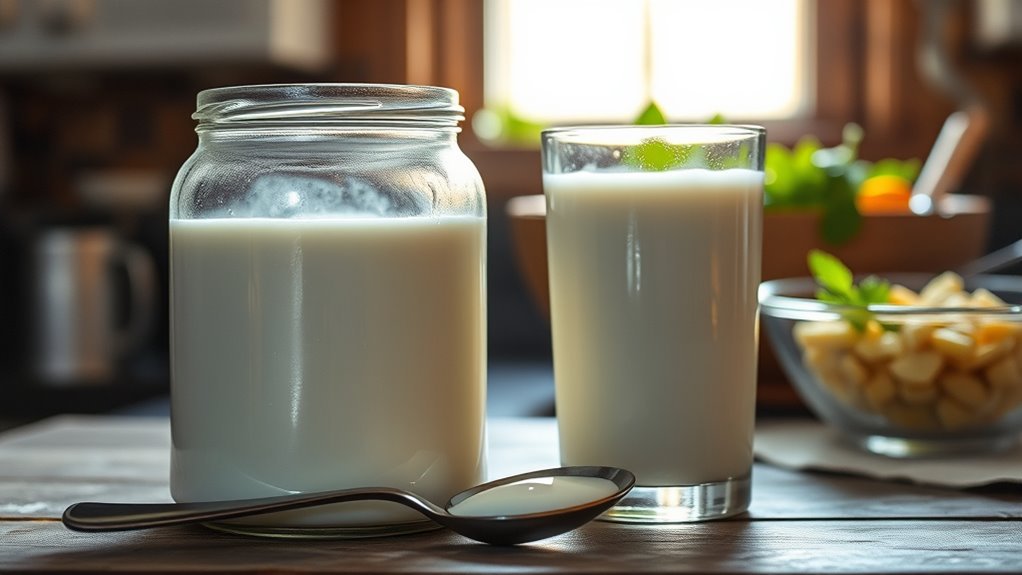
How to Use Evaporated Milk Instead of Milk in Recipes
You might not realize that evaporated milk isn’t just a pantry backup but a practical substitute for fresh milk in many recipes. Evaporated milk can be a great alternative to regular milk when you know how to use it properly.
When you mix it with water, it closely mimics the texture and flavor of regular milk, making it useful beyond emergencies. Whether you’re baking, cooking, or crafting a creamy drink, understanding how to adjust its richness can change your approach in the kitchen.
There’s more to this versatile ingredient than you might expect. Using evaporated milk instead of milk opens up new possibilities for flavor and texture in your dishes.
Understanding the Basics of Evaporated Milk

Although evaporated milk starts as regular milk, it undergoes a process that removes about 60% of its water content through heating. This reduction thickens the milk, giving evaporated milk a creamier texture and a slightly caramelized flavor.
Evaporated milk is regular milk with 60% of its water removed, creating a thicker, creamier texture and richer flavor.
After concentrating the milk, it’s pasteurized and homogenized to ensure a smooth consistency and longer shelf life. You’ll typically find evaporated milk in 12-ounce cans, though sizes vary.
Because of its reduced water content, it’s denser than regular milk, making it a versatile ingredient in cooking and baking. The homogenization process prevents separation, so you get a uniform product every time.
Understanding these basics helps you appreciate why evaporated milk can be a great substitute when fresh milk isn’t available.
How to Reconstitute Evaporated Milk for Recipes

Since evaporated milk has a thicker texture and concentrated flavor, you’ll need to reconstitute it before using it as a direct substitute for regular milk in recipes.
To do this, mix equal parts evaporated milk and water. This 1:1 ratio mimics the consistency and flavor of fresh milk, making your dish turn out just right.
Keep these tips in mind when you reconstitute evaporated milk for your recipe:
- Use 1 cup evaporated milk plus 1 cup water for every cup of milk needed
- Stir thoroughly to blend evaporated milk and water evenly
- Adjust the ratio slightly if you want a thinner or creamier texture
- Use the mixture immediately for best results
- Reconstituted evaporated milk works well in both cooking and baking
This simple step ensures your recipes taste great with evaporated milk.
Baking With Evaporated Milk: Tips and Tricks

When you bake with evaporated milk, mixing it with water in equal parts helps you achieve the right consistency and moisture for your recipes. This 1:1 ratio makes evaporated milk an excellent substitute for whole milk in cakes, muffins, and other baked goods.
Proper dilution keeps your treats moist and prevents them from becoming dense or overly browned. Plus, evaporated milk adds a richer, creamier flavor, enhancing your desserts’ taste. Adjust water slightly if you want more richness, but 1:1 usually works best.
| Aspect | Tip |
|---|---|
| Ratio | Use equal parts evaporated milk & water |
| Texture | Maintains moisture, prevents density |
| Flavor | Adds creaminess, richer taste |
| Recipes | Great for cakes, muffins, desserts |
| Adjustment | Slight water change for desired richness |
Using Evaporated Milk in Savory Dishes
If you want to add rich creaminess to your savory dishes without extra fat, evaporated milk is a great choice. This milk substitute blends beautifully into soups, sauces, and casseroles, enriching flavors without overwhelming them.
Try diluting it with water for a lighter consistency perfect in mashed potatoes. Its slightly caramelized taste enhances cheese sauces and gravies, adding depth to your meals.
Dilute with water for lighter mashed potatoes; its caramelized notes deepen cheese sauces and gravies.
Plus, it stands up well in slow-cooked dishes like stews, giving you creaminess without curdling.
Use evaporated milk directly in creamy soups and sauces.
Dilute with equal parts water as a milk substitute for casseroles.
Boost flavor in cheese sauces and vegetable gravies.
Add creaminess to mashed potatoes without extra fat.
Incorporate into slow-cooked stews for richer depth.
Substituting Evaporated Milk in Beverages
Evaporated milk doesn’t just enhance savory dishes; it can also change the way your beverages taste and feel. To substitute evaporated milk for regular milk in drinks, dilute one part evaporated milk with one part water to match the consistency.
If you want a richer, creamier taste, use evaporated milk undiluted in coffee, tea, or hot chocolate. But remember it’s more concentrated and sweeter.
For cold beverages like milkshakes or smoothies, dilute evaporated milk with water or ice to get the right texture.
Since evaporated milk has a slightly caramelized flavor, adjust the dilution based on how creamy or sweet you want your drink. Always taste as you go, so your beverage turns out just right.
Adjusting Consistency When Replacing Milk
Although concentrated, you can easily match the consistency of regular milk by diluting evaporated milk with water.
When reconstituting, start with a 1:1 ratio of evaporated milk to water for a consistency similar to fresh milk.
You can modify this to dilute more or less depending on how thick or thin you want it.
Use equal parts evaporated milk and water for standard consistency.
Add more water to achieve a thinner milk substitute.
Avoid using undiluted evaporated milk unless a richer texture is desired.
Stir well to ensure even dilution and smooth texture.
Adjust the ratio gradually to match recipe requirements.
Flavor Differences to Expect When Using Evaporated Milk
When you use evaporated milk instead of regular milk, you’ll notice a slightly caramelized flavor that comes from the heating process it undergoes. This caramelized flavor gives evaporated milk a faintly sweeter taste than regular milk, though it’s not as sweet as sweetened condensed milk.
If you dilute evaporated milk with water, the flavor differences become less obvious, closely resembling fresh milk.
In recipes with strong ingredients like chocolate or spices, these flavor differences often get masked, so you mightn’t detect them at all.
The mild caramel notes in evaporated milk can subtly enhance dishes without overpowering their original flavors, making it a versatile substitute when you want a richer, slightly nuanced taste.
Shelf Life and Storage of Evaporated Milk
If you want to keep evaporated milk fresh for as long as possible, store unopened cans in a cool, dry pantry away from direct sunlight and temperature changes. The shelf life of unopened evaporated milk typically ranges from 12 to 24 months when stored properly.
Once opened, transfer the milk to a sealed container and refrigerate it, where it will stay good for about 3 to 5 days. Proper storage is key to maintaining quality and preventing spoilage.
- Store unopened cans in a dark, temperature-stable spot
- Use airtight containers after opening to extend shelf life
- Refrigerate opened evaporated milk promptly
- Avoid temperature fluctuations for best storage results
- Freezing is possible but may cause separation; use quickly after thawing
Evaporated Milk vs. Sweetened Condensed Milk in Cooking
Understanding how to store evaporated milk properly helps you make the most of its unique qualities in cooking, especially when comparing it to sweetened condensed milk.
Evaporated milk is unsweetened and has a thinner, more neutral texture, while sweetened condensed milk is thicker, syrupy, and packed with sugar.
When considering substitution, you can use evaporated milk as a less sweet alternative, but you’ll need to add sugar and possibly thicken your dish to match the richness and sweetness of sweetened condensed milk.
Keep in mind, evaporated milk works better in savory recipes or baked goods where extra sweetness isn’t desired, whereas sweetened condensed milk shines in desserts like pies and caramel candies.
Understanding these differences helps you make smart substitutions without compromising flavor or texture.

Alternative Milk Substitutes Compared to Evaporated Milk
Although evaporated milk has a distinct texture and flavor, you can replicate its richness using several substitutes. Depending on your recipe and dietary needs, these alternatives can closely match evaporated milk’s creamy consistency.
Here are five effective evaporated milk substitutes:
- Simmer regular milk until 60% of the water evaporates for a thicker, concentrated milk.
- Mix heavy cream and water in a 1:3 ratio to mimic evaporated milk’s richness.
- Use half-and-half as a 1:1 substitute for similar fat content and creaminess.
- Reconstitute powdered milk with only 60% of the usual water for thicker texture.
- Reduce plant-based milks like coconut, almond, or oat by simmering until 60% water evaporates for a vegan-friendly option.
Each substitute helps you achieve the desired texture when evaporated milk isn’t available.
Frequently Asked Questions
How to Use Evaporated Milk in Place of Milk?
You just mix equal parts evaporated milk and water to replace regular milk. Adjust the water to get the creaminess you want. Use it in cooking, baking, or drinks; it’ll add a richer flavor.
How Much Evaporated Milk Equals 1 Cup of Milk?
When it comes to replacing 1 cup of milk, you’ll want to mix ½ cup of evaporated milk with ½ cup of water. This combo keeps things smooth sailing in your recipe every time.
Can You Drink Evaporated Milk Like Regular Milk?
Yes, you can drink evaporated milk, but you’ll want to dilute it with an equal amount of water first.
Straight from the can, it’s too thick and rich, which might not suit your taste or stomach.
When Should You Not Use Evaporated Milk?
Don’t use evaporated milk when you need whipped cream, a sweet flavor, or a light, fresh milk taste. Avoid it in recipes needing precise liquid control or sweetened condensed milk substitutions. It will change texture and flavor unexpectedly.
Conclusion
Now that you know how to use evaporated milk as a substitute, you can easily enhance your recipes with its rich, creamy flavor. Did you know that evaporated milk has about 60% of the water removed, making it more concentrated than regular milk? This means a little goes a long way!
Next time you’re out of fresh milk, try this versatile pantry staple—you might just discover a new favorite ingredient in your cooking and baking. Using evaporated milk instead of milk can add depth and creaminess to sauces, soups, and desserts. Keep evaporated milk on hand to effortlessly upgrade your dishes anytime.