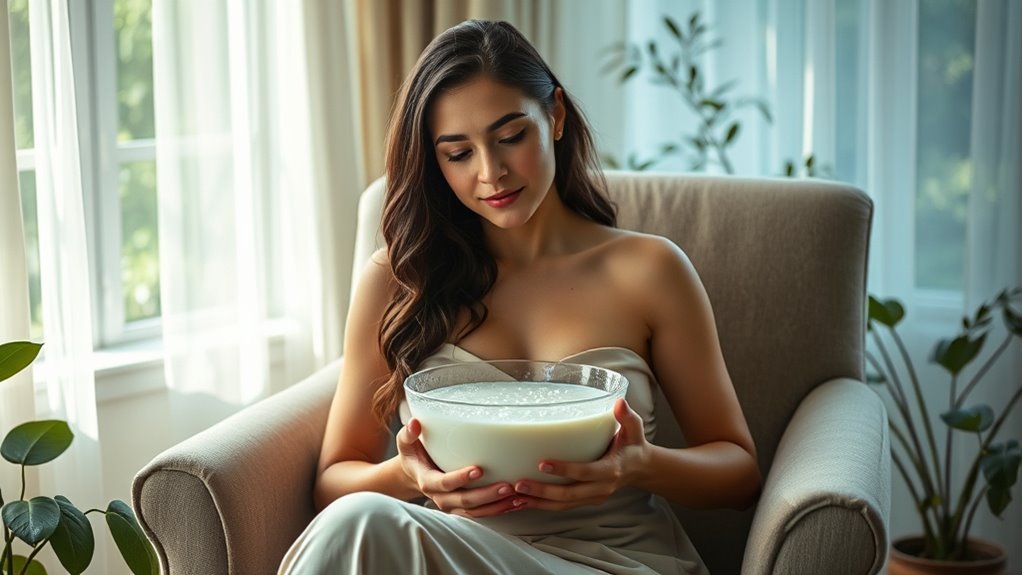
How Can a Woman Produce Milk Without Being Pregnant?
Imagine a woman who wants to breastfeed her adopted child but hasn’t been pregnant. You might think milk production can only happen after pregnancy, yet there are ways to stimulate lactation without it. Induced lactation is the process that allows women to produce milk without pregnancy by mimicking the hormonal signals associated with breastfeeding.
By understanding these hormonal signals and using specific techniques, you can encourage your body to produce milk. This method often involves hormonal treatments, nipple stimulation, and regular milk expression. But what exactly does this process involve, and how effective is it?
Let’s explore what makes induced lactation possible and how women can successfully nourish their babies through breastfeeding, even without having been pregnant.
Understanding the Physiology of Lactation

How exactly does your body produce milk? Lactation begins with milk production in the alveoli, tiny sacs within your mammary tissue. The hormone prolactin plays a vital role by stimulating these alveoli to produce milk.
Milk production starts in the alveoli, where prolactin stimulates these tiny sacs in your mammary tissue.
When you stimulate your breasts, either through nursing or breast stimulation, your body releases oxytocin. Oxytocin then causes the milk to be ejected from the alveoli through ducts leading to your nipple.
Even without pregnancy, hormonal changes can trigger lactation through a process called induced lactation. By mimicking the natural signals your body uses, like regular breast stimulation, you can encourage prolactin and oxytocin to work together.
This coordination allows your body to produce and release milk, demonstrating how lactation is a finely tuned physiological process beyond just pregnancy.
Hormonal Changes That Trigger Milk Production

Although pregnancy sets the stage for milk production, specific hormonal changes actually trigger lactation. After birth, prolactin levels rise while estrogen and progesterone drop, enabling milk production in the alveoli.
In cases of induced lactation, these hormonal changes are mimicked through hormone therapy and nipple stimulation to activate milk synthesis without pregnancy.
| Hormone | Role in Milk Production | Effect of Change |
|---|---|---|
| Prolactin | Stimulates milk synthesis | Increase triggers milk production |
| Estrogen | Prepares mammary glands | Decrease allows prolactin action |
| Progesterone | Supports breast development | Drop permits milk secretion |
You can stimulate milk production by promoting prolactin release and using nipple stimulation to aid milk ejection.
Methods for Inducing Lactation Without Pregnancy

When you want to induce lactation without pregnancy, combining hormonal treatments with regular nipple stimulation offers the most effective approach. You’ll typically start with estrogen and progesterone to mimic pregnancy, then introduce galactagogues to boost milk supply.
Consistent breast stimulation through pumping or manual expression, often 8 to 12 times daily, encourages prolactin release and supports relactation.
Breastfeeding without prior pregnancy is possible by maintaining frequent breast emptying to establish milk production.
Some women also use supplements like fennel or oats, but these work best alongside pumping.
Medications such as domperidone can enhance milk supply but require medical supervision.
The Role of Nipple Stimulation and Breast Pumping
Because nipple stimulation directly triggers prolactin release, it plays a crucial role in initiating and maintaining milk production without pregnancy.
Nipple stimulation is key to triggering prolactin and sustaining milk production without pregnancy.
By stimulating breasts through nipple stimulation, whether by manual expression or breast pumping, you encourage your body to produce milk without pregnancy.
Using a high-quality breast pump regularly, ideally every 2 to 3 hours, mimics infant suckling and boosts prolactin release, essential for building and sustaining milk supply.
Consistent breast pumping and manual expression help develop milk ducts and alveoli, supporting induced lactation even without hormonal changes from pregnancy.
If you’re committed to stimulating breasts frequently, you’ll increase your chances of successful milk production.
This process, combined with proper nipple stimulation, forms the cornerstone of producing milk without pregnancy through induced lactation.
Hormone Therapy Options for Induced Lactation
How exactly does hormone therapy help you induce lactation? Hormone therapy for induced lactation involves a carefully designed hormonal regimen, typically using estrogen and progesterone to mimic pregnancy and stimulate breast tissue development.
To boost milk production, medications like domperidone raise your prolactin levels, a key hormone for lactation. This regimen usually lasts several months and stops about two months before you plan to start breastfeeding.
Some protocols also incorporate synthetic hormones or herbal galactagogues alongside hormone therapy to further enhance milk production. Since this process affects your hormone balance, medical supervision is essential to monitor your levels and reduce side effects.
Establishing and Maintaining Milk Supply
Although producing milk without pregnancy can be challenging, you can establish and maintain a steady milk supply by regularly stimulating your breasts through pumping or manual expression.
In induced lactation, consistent breast stimulation, ideally 8-12 times daily, signals your body to produce milk.
Using a breast pump with breast compression techniques enhances milk flow and supports consistent emptying, which reinforces supply over time.
Breast compression with pumping improves milk flow and helps maintain a steady milk supply over time.
Incorporating overnight pumping sessions can boost production by mimicking natural hormonal rhythms.
Whether you’re starting from scratch or relactating, maintaining hydration, balanced nutrition, and minimizing stress are essential to sustain milk supply.
With dedication to stimulating the breasts regularly, you can successfully produce milk without pregnancy and support your breastfeeding goals through induced lactation.
Challenges and Expectations During Induced Lactation
When you start induced lactation, be prepared for a process that often takes weeks or even months to build a noticeable milk supply. You’ll face lactation challenges like nipple soreness, engorgement, and difficulty maintaining steady milk production.
Initial difficulties are common, so manage your expectations: milk volume may be low at first but can increase with consistent stimulation. Patience is essential as your body adapts to this new routine.
Emotional ups and downs are normal, so stay focused on realistic goals. Regular monitoring helps track your progress and adjust techniques as needed.
While it’s tough, understanding these challenges and maintaining steady stimulation will improve your chances of successful milk production over time.
Support Systems and Professional Guidance
Guiding the challenges of induced lactation becomes much easier with the right support and professional guidance. Consulting a lactation specialist can tailor hormone therapy and stimulation techniques specifically for you, increasing your chances of success.
Medical support plays a key role, as healthcare providers recommend galactagogues when needed and monitor your progress closely. Regular follow-up appointments ensure hormone levels remain safe and address any concerns promptly.
Beyond medical help, joining support groups offers emotional encouragement and shared experiences that keep you motivated.
With professional guidance, monitoring, and a strong support system, you can navigate the process confidently and effectively, making induced lactation a manageable journey rather than a formidable task.

Benefits and Considerations of Induced Lactation
Because induced lactation lets you produce milk without pregnancy, it opens up meaningful opportunities for adoptive parents, surrogates, and transgender women to nurture their child through breastfeeding.
Induced lactation empowers adoptive parents, surrogates, and transgender women to breastfeed and bond with their child.
The benefits of inducing lactation include fostering emotional bonding and enhancing emotional security between you and your baby.
Through breast stimulation and hormonal treatments, your body can begin producing milk, creating a nurturing connection even without pregnancy.
However, induced lactation requires patience, as it can take weeks or months to establish a milk supply.
You’ll need medical guidance to navigate hormonal treatments safely and monitor for potential side effects.
Embracing this process not only supports your child’s nutrition but also strengthens your maternal role, making the challenges worthwhile for the deep emotional rewards it brings.
Frequently Asked Questions
How to Get Breast Milk Without Pregnancy?
You can get breast milk without pregnancy by regularly stimulating your breasts with pumping or massage, using hormonal treatments or galactagogues, and consulting a lactation specialist to guide you safely through the process.
How Can I Breastfeed My Boyfriend but Not Pregnant?
Sure, you won’t sprout milk like magic beans, but if you’re serious, you’ll pump regularly, maybe take meds, and get emotional too.
Consult a pro, stimulate consistently, and voilà—you can breastfeed your boyfriend, no pregnancy needed.
How Do Breasts Produce Milk When Not Pregnant?
Your breasts produce milk when not pregnant by stimulating hormones like prolactin and oxytocin through nipple stimulation or hormone therapy.
Consistent pumping or suckling tricks your body into making milk over time.
Can I Produce Breast Milk if I’ve Never Been Pregnant?
Yes, you can produce breast milk even if you’ve never been pregnant. With consistent nipple stimulation and sometimes hormonal support, your body can respond.
It takes patience, but many women successfully induce lactation this way.
Conclusion
Think of induced lactation as planting a garden—you can nurture milk production without pregnancy by watering it regularly with hormone therapy and consistent nipple stimulation.
Though it takes patience and care, your body can bloom, providing nourishment and bonding opportunities just like any biological mother.
With the right support and persistence, you’ll cultivate a fulfilling breastfeeding journey, proving that motherhood’s roots go beyond pregnancy alone.
Induced lactation shows how a woman can produce milk without being pregnant, highlighting the power of dedication and the body’s amazing ability to adapt.