How Much Fat Does a Glass of Milk Have? Nutrition Breakdown
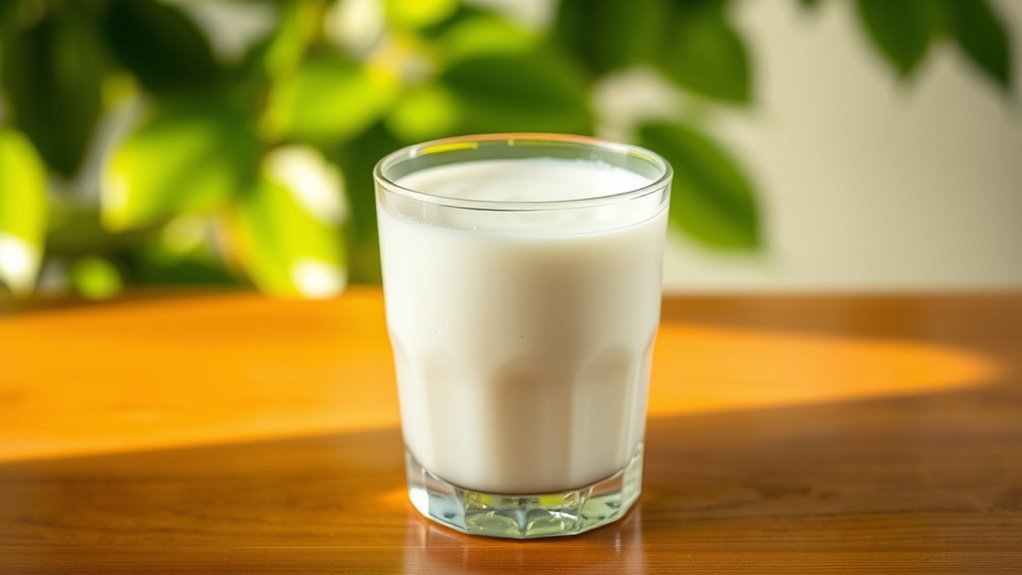
It’s a coincidence that most of us pour a glass of milk without thinking about its fat content, yet this simple choice can impact your diet considerably. How much fat does a glass of milk have? You might assume all milk has the same amount of fat, but that’s far from the truth.
Understanding the differences between whole, reduced-fat, and skim milk can help you make smarter decisions. Let’s explore what’s really in that glass and why it matters for your health.
Types of Milk and Their Fat Content

Wondering how much fat is in your glass of milk? The fat content varies markedly across different types of milk.
Whole milk contains about 3.25% milk fat, which means you get roughly 8 grams of fat in an 8-ounce glass.
If you choose reduced-fat milk, like 2%, you’ll find around 5 grams of fat per serving.
Low-fat milk, such as 1%, cuts that down further to about 2.5 grams.
Skim or fat-free milk has less than 0.5% milk fat, so the fat content is nearly zero.
Understanding these types of milk helps you pick the right fat content for your diet, whether you want the creaminess of whole milk or the lighter option of skim milk.
Nutritional Breakdown of Whole Milk

When you choose whole milk, you’re getting about 8 grams of fat in every 8-ounce glass. This fat content, which makes up roughly 3.25% of the milk, consists mainly of saturated fats.
These fats contribute to whole milk’s creamy texture and rich flavor, making it a satisfying choice.
Alongside fat, whole milk provides about 150 calories per cup, most of which come from the fat itself.
While saturated fats play a role in your diet, it’s important to consume them in moderation to maintain heart health.
Understanding the nutritional breakdown of whole milk helps you make informed choices about how it fits into your daily calorie and fat intake.
This knowledge ensures you enjoy whole milk without overdoing saturated fat.
Comparison of Fat Levels in Different Milk Varieties

Although whole milk contains about 8 grams of fat per 8-ounce glass, you can choose from several milk varieties with lower fat levels to suit your dietary needs.
Reduced-fat milk, often labeled as 2%, has around 5 grams of fat per serving, cutting fat content by almost half compared to whole milk.
Reduced-fat milk (2%) contains about 5 grams of fat, nearly half the fat of whole milk.
Low-fat milk, with 1% milk fat, contains roughly 2.5 grams of fat, offering an even lighter option.
If you want to minimize fat intake, skim or fat-free milk contains less than 0.5 grams of fat per glass, fundamentally zero fat.
These milk varieties allow you to control your fat consumption without giving up the nutritional benefits of milk.
Understanding the fat content in each type helps you make choices aligned with your health goals.
Health Implications of Milk Fat Intake
Choosing the right milk variety affects not only your fat intake but also your heart health. Milk fat in whole milk mainly consists of saturated fat, which can raise LDL (“bad”) cholesterol, potentially increasing your risk of heart disease if consumed excessively.
However, moderate intake of dairy saturated fat may not harm cardiovascular health and might even raise HDL (“good”) cholesterol, offering some benefits. If you’re concerned about saturated fat, opting for low-fat or skim milk reduces your intake considerably, lowering calories and fat without sacrificing essential nutrients.
Ultimately, how milk fat impacts you depends on your overall diet and lifestyle. Being mindful of the type and amount of milk fat you consume helps you balance enjoyment with maintaining a healthy heart.
How Milk Fat Is Processed and Measured
If you want to understand the fat content in your milk, it helps to know how milk fat is separated and measured. Milk fat is isolated from whole milk using centrifugation, where the milk spins at high speeds to separate cream from skim milk.
After separation, standardized testing methods like the Babcock test measure the exact fat percentage in a milk sample. This process guarantees accuracy and consistency, which regulatory agencies require for labeling.
Milk producers then blend cream and skim milk in precise amounts to create products with specific fat levels such as whole milk with about 3.25% fat, 2% milk, 1% milk, or skim milk with less than 0.5%.
Understanding these steps helps you appreciate the science behind the milk fat content you see on the label.
Frequently Asked Questions
Is Milk Considered High in Fat?
Yes, milk can be high in fat if you choose whole milk, which contains about 8 grams of fat per glass.
If you want lower fat, skim or low-fat milk options work better for you.
How Much Fat Is in 1 Glass of Whole Milk?
You might be surprised, but an 8-ounce glass of whole milk contains about 8 grams of fat. That fat mainly comes from cream added during processing, giving milk its rich, creamy texture and flavor.
Is 2% Milk Actually 2% Fat?
Yes, 2% milk really contains about 2% milkfat by weight, as regulated. When you pour an 8-ounce glass, you get roughly 5 grams of fat, making the label a reliable fat content indicator.
How Much Fat Is in an 8 Oz Glass of Milk?
An 8 oz glass of whole milk has about 8 grams of fat, while 2% milk contains 5 grams. Low-fat milk has 2.5 grams, and skim milk has less than 0.5 grams of fat per glass.
Conclusion
Now that you know how much fat is in different types of milk, you can make choices that fit your health goals without feeling like you’re caught between a rock and a hard place.
Whether you prefer whole, reduced-fat, or skim milk, understanding the fat content helps you balance taste and nutrition.
Remember, it’s all about finding the right fit for your diet, so you can enjoy milk without any guilt. Knowing the fat content in a glass of milk empowers you to make informed decisions that support your overall health.