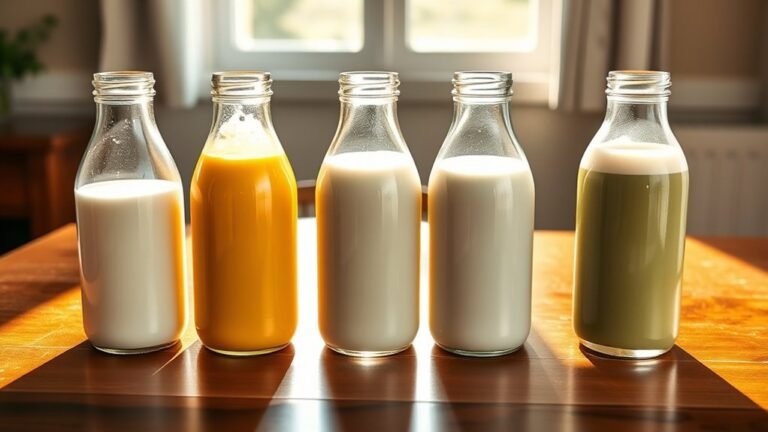
How Much Milk Should a 1-Year-Old Drink? Complete Parent Guide
Picture your little one sitting at the table, curious and enthusiastic to try new foods, while you wonder how much milk a 1 year old should drink for their growing body. Getting the amount right is essential—not too little, not too much—to support their development without causing issues.
Balancing milk intake with solid foods can feel tricky at this stage, but knowing the guidelines on how much milk a 1 year old should drink can help you make confident choices for your child’s nutrition.
Recommended Daily Milk Intake for 1-Year-Olds

While every child’s needs vary, you should aim to give your 1-year-old about 16 ounces (2 cups) of milk daily. This recommended amount provides essential calcium and vitamin D, supporting healthy bone development.
It’s important to spread your toddler’s daily milk intake throughout the day, ensuring it complements a balanced diet rich in solid foods.
Overdoing milk, more than 24 ounces, can hinder iron absorption, risking deficiencies.
Toddler milk can be part of this nutrition plan, but always consider your child’s individual growth and dietary needs. To optimize nutrition, consult your healthcare provider for personalized advice.
Balancing milk with solid foods ensures your 1-year-old receives the right nutrients for healthy growth and development without compromising iron levels.
Benefits of Whole Milk for Toddlers

Because toddlers need extra fats for brain development, whole milk plays an essential role in their diet during the second year. Whole milk provides essential fats that support brain development while meeting your toddler’s increased energy needs.
It’s also rich in calcium and vitamin D, which are critical for strong bone growth. Including whole milk in your toddler diet helps maintain nutritional balance, supporting healthy developmental milestones.
Offering the right amount ensures your child gets enough nutrients to thrive without filling up on milk alone. Keeping whole milk as a staple until age 2 supports these growth phases.
After that, you can consider lower-fat options if recommended by your healthcare provider. Whole milk truly helps toddlers grow strong and reach important milestones confidently.
Gradual Transition From Breast Milk or Formula to Cow’s Milk

As your toddler grows, introducing whole milk alongside breast milk or formula prepares them for a new stage in their diet. Around 11 to 12 months, start the gradual shift by mixing equal parts cow’s milk with breast milk or formula. This mixing helps test your 1 year old’s tolerance and eases their adjustment to the new taste.
Over several weeks, slowly increase cow’s milk while decreasing breast milk or formula, supporting smooth weaning. Avoid adding powdered formula directly to cow’s milk; instead, prepare formula with water before mixing.
Watch closely for any signs of intolerance or discomfort during this shift. Taking this gradual approach encourages your toddler’s acceptance of cow’s milk and makes the shift from breast milk or formula easier for both of you.
Choosing the Right Milk Type After Age One
When your child turns one, choosing the right type of milk becomes essential to support their growth and brain development. Whole milk is recommended as the primary choice since it provides the fats needed for healthy growth.
At one year old, whole milk is key for supporting your child’s growth and brain development.
If your child has a dairy allergy, fortified soy beverages with added calcium and vitamin D serve as suitable milk alternatives.
You should offer milk in age-appropriate amounts, typically 16 to 24 ounces daily, to avoid iron deficiency and excessive calorie intake.
Avoid flavored milks because added sugars can lead to unhealthy taste preferences.
After age two, you can shift to reduced-fat (2%) or skim milk unless your healthcare provider advises otherwise.
Sticking to cow’s milk or approved alternatives ensures your child gets the nutrients they need for a strong start.
Managing Milk Intake to Prevent Iron Deficiency
While milk provides essential nutrients for your toddler, drinking too much can lead to iron deficiency. Limiting milk intake to 16-24 ounces daily helps prevent this risk.
Excessive milk consumption can interfere with iron absorption and reduce your 1-year-old’s appetite for iron-rich solid foods, which are vital for healthy toddler nutrition.
Iron-rich foods like meats, beans, and fortified cereals support balanced iron levels and overall growth.
Iron deficiency anemia may cause developmental delays, fatigue, and behavioral issues, so it’s important to monitor your child’s milk intake carefully.
By offering a variety of iron-rich foods alongside appropriate milk consumption, you promote a balanced diet that meets your toddler’s nutritional needs and reduces the likelihood of iron deficiency.
Regular check-ins with your healthcare provider can help maintain this balance.
Tips for Moving From Bottle to Sippy Cup
Managing your toddler’s milk intake sets the stage for shifting away from bottles toward sippy cups. Begin the progression as soon after their first birthday as possible to support oral development.
Start with a gradual approach by replacing one bottle feeding at a time with a spill-proof sippy cup that’s easy for your child to grasp. Limiting bottle use to meal and snack times helps prevent milk-bottle cavities and encourages healthy feeding habits. Offer plenty of positive reinforcement and patience as your child learns to drink independently from the sippy cup. This gradual transition not only promotes independence but also makes feeding times smoother for both of you.
Milk as a Complement to Solid Foods
How much milk should your 1-year-old drink alongside solid foods? At this stage, about 16 ounces of milk daily is ideal to complement solid foods. Milk provides essential calcium and vitamin D that support your toddler’s healthy growth, but it shouldn’t replace solid foods.
Solid foods supply important nutrients like iron, zinc, and fiber, vital for balanced nutrition. Following feeding guidelines means offering milk as a beverage alongside meals rather than the main calorie source.
As your toddler’s intake of solid foods increases, you can gradually reduce milk consumption to encourage a diverse, nutritious diet. Remember, milk complements solid foods by enhancing overall nutrition and supporting a balanced diet that promotes healthy development.
When to Consider Milk Alternatives and How to Choose Them
If your toddler shows signs of milk intolerance or your family prefers plant-based options, you might consider milk alternatives after their first birthday. Among cow’s milk alternatives, fortified soy beverages are the best milk replacement for children over 12 months, as they provide calcium and vitamin D similar to cow’s milk.
Always choose unsweetened plant-based milks, and check labels to ensure they’re fortified with calcium and vitamin D to meet your child’s nutritional needs.
| Milk Alternative | Nutrient Content | Suitable Age |
|---|---|---|
| Soy Beverages | Fortified with calcium & vitamin D | Children over 12 months |
| Almond Milk | Low nutrient content | Not recommended under 12 months |
| Rice/Coconut Milk | Poor nutrient content | Not recommended under 12 months |
Consult your healthcare provider before switching.
Frequently Asked Questions
How Much Milk Should a 1 Year Old Drink Each Day?
You should give your 1-year-old about 16 ounces of milk daily, spread over 3-4 servings.
Don’t exceed 24 ounces to avoid iron absorption issues, and always balance milk with solid foods for proper nutrition.
How Much Milk Should a 1 Year Old Drink in CDC?
Picture a little river flowing just right—you should give your 1-year-old about 16 ounces of whole milk daily, as the CDC suggests.
Don’t let it flood past 24 ounces to keep their iron levels balanced.
How Many Milk Feedings for a 12 Month Old?
You should offer your 12-month-old about 2 to 3 milk feedings daily, each with 4 to 6 ounces. Use a cup instead of a bottle, and balance milk with solid foods for proper nutrition.
Conclusion
You want to give your 1-year-old just the right amount of milk—about 16 ounces a day—to fuel their growth without tipping the balance. Too much milk can act like a sneaky iron thief, stealing essential nutrients they need.
Keep it steady, pair milk with solid foods, and watch your little one thrive.
Remember, this small daily habit can make a world of difference in your child’s healthy development. Following the guide on how much milk a 1-year-old should drink ensures they get the right nutrition for their growth and well-being.