How to Know If Milk Is Bad: Signs of Spoilage and Safety Tips
Imagine pouring a glass of milk only to spot tiny clumps floating or notice a strange yellow hue. You might hesitate, wondering if it’s safe to drink. Before you make a decision, there are simple ways to check if your milk has gone bad that go beyond just a quick sniff.
Knowing how to tell if milk is bad is essential to avoid unpleasant tastes or health issues. Understanding these signs can save you from an unpleasant taste—or worse, a stomach ache. Keep an eye out for changes in color, texture, and smell to ensure your milk is fresh and safe.
Visual Signs of Spoiled Milk

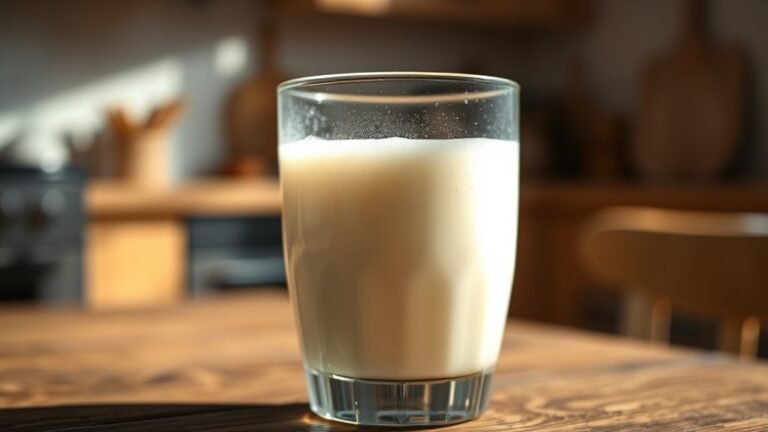
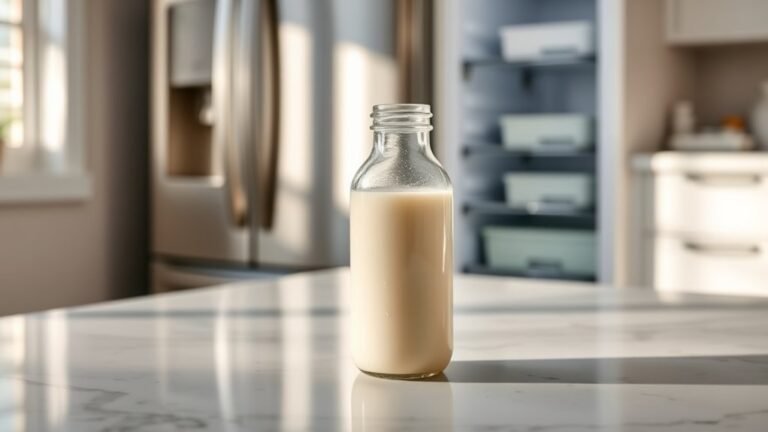
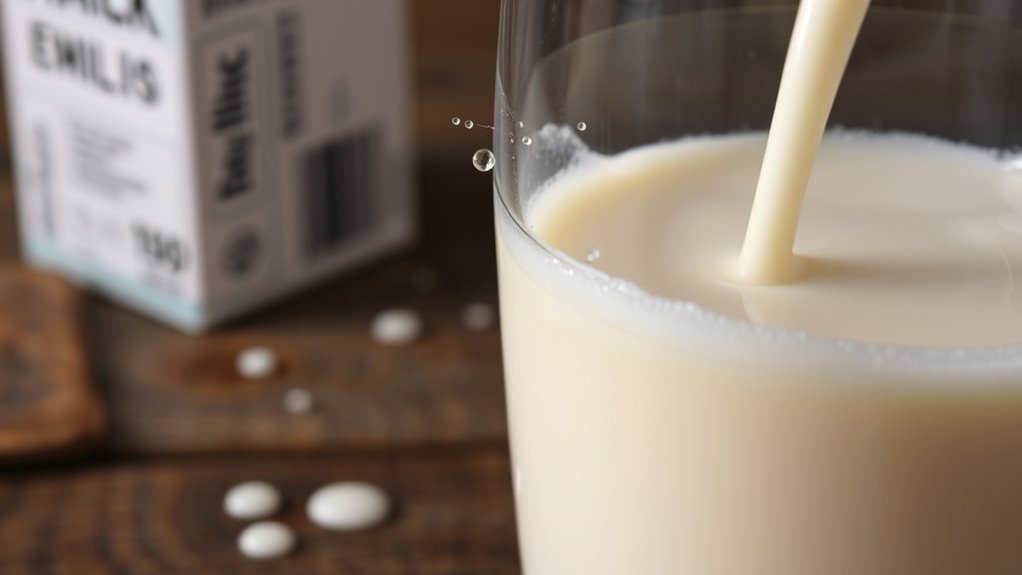
When you pour milk and notice it has a yellowish tint or looks dull instead of bright white, it’s a clear sign it’s spoiled. Pay close attention to any visible lumps or curdling, which indicate bacterial growth. You might also see floaters or white flakes, another red flag.
The milk’s dingy appearance and off-color signals a change in texture and quality. Spoiled milk often shows discoloration, moving away from smooth white to an unpleasant off-color shade.
If your milk is stored in clear containers, keep it at the back of the fridge to reduce light exposure that can cause this discoloration.
Smell and Taste Indicators

Visual signs can alert you to spoiled milk, but they don’t always tell the whole story. To detect spoilage, rely on your sense of smell and taste. When you open the container, perform a quick smell test.
Spoiled milk typically gives off a sour smell or an unpleasant odor that’s rancid and unmistakable. This happens because bacteria break down milk proteins and fats, producing volatile compounds.
If the milk smells unusual or foul, don’t taste it—discard it immediately.
However, if you do taste it and notice an off taste, that’s a clear sign the milk has gone bad. Trusting these smell and taste indicators helps you avoid consuming spoiled milk and ensures your safety in the kitchen.
Using Heat to Detect Spoilage

Although smell and taste are reliable, heating a small amount of milk can quickly reveal spoilage through changes in texture and odor.
To perform spoilage detection, heat the milk in the microwave for 30 to 60 seconds.
If the milk is spoiled, you’ll notice lumps or curdles forming, indicating bacterial activity. A thick, gooey texture or a slimy skin on the surface also signals spoilage.
Heating intensifies the milk’s smell, so any sour or unpleasant odor becomes more obvious.
If you see lumps, curdles, or detect an off smell after heating, it’s best to discard the milk to avoid consuming spoiled milk.
Using heat this way provides a quick and effective method to confirm whether your milk is still safe.
Testing Milk Acidity at Home
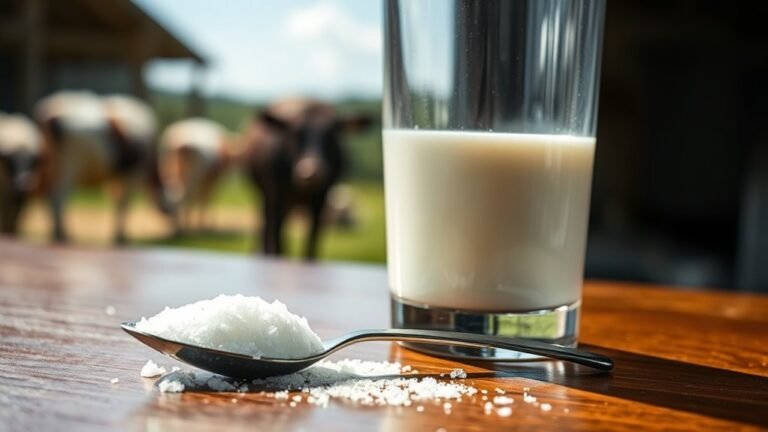
If you want a quick and reliable way to check milk freshness without tasting it, you can test its acidity at home using baking soda. Simply place a teaspoon of fresh baking soda on a saucer and add a few drops of milk.
If the milk is spoiled, the increased acidity will cause a reaction, producing bubbles or fizzing as carbon dioxide gas is released. Fresh milk typically won’t bubble, indicating it’s still safe to consume.
This milk test works because bacteria in spoiled milk produce lactic acid, which reacts with baking soda. Make sure to use fresh baking soda, as old or expired baking soda may not react properly and could give inaccurate results.
This simple acidity test helps you identify spoiled milk quickly and safely.
Proper Milk Storage Tips
When you store milk properly, you slow down bacterial growth and keep it fresh longer. Always keep milk in the coldest part of your refrigerator, ideally at a consistent temperature below 40°F (4°C), such as the back shelf.
Use the original container or an airtight, opaque one to minimize light exposure and contamination. After each use, seal the container tightly to prevent air and bacteria from entering.
Make sure to write the date of opening on the container so you can track how long the milk has been stored.
Avoid leaving milk out at room temperature for more than an hour, as this increases the risk of spoilage.
Proper refrigeration and careful storage habits are essential to maintain milk’s freshness and safety.
Health Risks of Consuming Bad Milk
Because spoiled milk contains harmful bacteria like Salmonella, E. coli, and Listeria, consuming it can quickly lead to food poisoning. When you drink bad milk, you risk experiencing symptoms such as nausea, vomiting, diarrhea, and stomach cramps.
Drinking spoiled milk can cause food poisoning with symptoms like nausea, vomiting, diarrhea, and stomach cramps.
Even small amounts can cause gastrointestinal discomfort and dehydration. If your immune system is weakened, or if you’re a young child, pregnant, or elderly, these health risks become even more serious.
The bacteria in spoiled milk can overwhelm your body, leading to severe illness. It’s essential to recognize these symptoms early and seek medical attention if they persist.
Avoiding spoiled milk altogether is the best way to protect yourself from these harmful effects and maintain your overall health.

Frequently Asked Questions
How Can You Tell if Your Milk Is Spoiled?
You can tell if your milk’s spoiled if it smells sour, tastes off, or has lumps. Also, check for a yellowish color or mold.
If it’s been out too long, it’s safest to toss it.
Can Milk Be Bad if It Doesn’t Smell?
Milk can be a silent storm. Yes, it can be bad even if it doesn’t smell. Watch for lumps, curdling, or weird texture.
Don’t rely on smell alone; trust your eyes and expiration dates instead.
What Happens if I Drink Bad Milk?
If you drink bad milk, you’ll likely feel nausea, vomiting, diarrhea, and stomach cramps. Your immune system might struggle, and harmful bacteria could cause food poisoning.
If symptoms persist, you should see a doctor promptly.
How to Tell if Milk Is Still Okay?
You might think milk’s smell is enough, but you should also watch for lumps, curdling, or color changes.
If it looks off or smells sour, don’t risk it. It’s not okay to drink anymore.
Conclusion
You might not realize it, but about 20% of milk in households goes bad before use. To avoid waste and stay safe, always check for yellowish color, lumps, or a sour smell.
If you’re unsure, heat a little or try the baking soda test for fizzing. Trust your senses—your health depends on it.
Proper storage and quick checks can save you from unpleasant surprises and keep your milk fresh longer. Knowing how to know if milk is bad is essential for food safety and reducing waste.