How to Use Regular Milk Instead of Buttermilk in Recipes
You can use regular milk instead of buttermilk in recipes by adding 1 tablespoon of vinegar or lemon juice to 1 cup of milk. Then, let it sit for 5–10 minutes to curdle slightly. This method creates the acidity that buttermilk provides, which helps with leavening and flavor.
If you’re using straight milk, consider adjusting the amount of baking soda or baking powder to balance the rising effect. This substitution works well in many baked goods and sauces.
Keep going to uncover more ways to substitute buttermilk and get great results in your recipes.
What Is Buttermilk and Why Is It Used in Recipes?

What exactly is buttermilk, and why do recipes call for it? Buttermilk is a tangy, slightly acidic dairy product traditionally made from the liquid left after churning butter. Today, it’s usually cultured milk with added bacteria that give it a thicker texture and sour flavor.
You’ll find buttermilk in recipes because its acidity reacts with baking soda or baking powder, helping your baked goods rise and become tender. It also adds moisture and a subtle tang that enhances flavor.
When you use buttermilk, you’re not just adding liquid; you’re affecting the texture and taste of your dish in a unique way. This makes it especially popular in pancakes, biscuits, and dressings where that balance of acidity and creaminess matters.
Common Reasons to Substitute Buttermilk

Although buttermilk adds unique flavor and texture, you might need to substitute it when you don’t have any on hand, want to avoid dairy, or prefer a milder taste. Sometimes, your grocery store might be out, or you might realize too late that your recipe calls for buttermilk, and you’re fresh out.
If you’re lactose intolerant or following a dairy-free diet, skipping buttermilk becomes necessary.
Additionally, some people find buttermilk’s tang too strong and want a subtler flavor that won’t overpower their dish.
Substituting buttermilk also helps when cooking for picky eaters who dislike its distinct taste.
Knowing when and why to swap buttermilk helps you adapt recipes easily without compromising the final result’s texture or moisture.
How to Make Buttermilk Substitute With Milk and Vinegar

Wondering how to replicate buttermilk’s tangy effect using regular milk? You can easily make a buttermilk substitute by combining milk and vinegar.
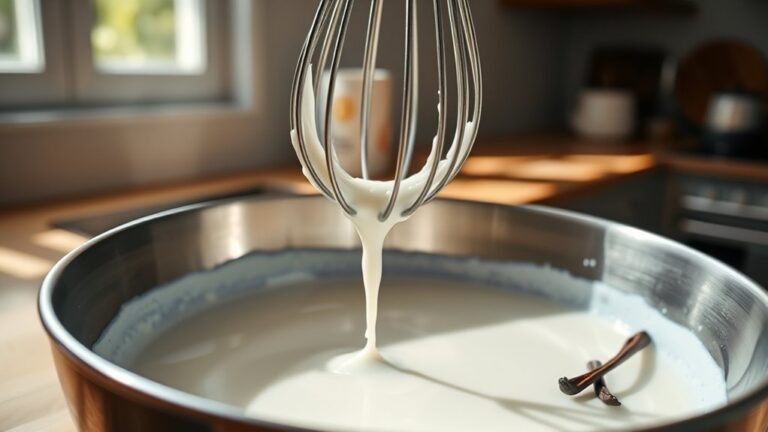
Start by measuring one cup of milk—whole or 2% works best. Add one tablespoon of white vinegar to the milk. Stir it gently, then let the mixture sit at room temperature for about 5 to 10 minutes.
During this time, the milk will curdle slightly and thicken, mimicking buttermilk’s acidity and texture. Once ready, use it in your recipe just like you’d buttermilk.
This quick and simple hack guarantees your baked goods and dishes achieve the same tender crumb and flavor without needing actual buttermilk.
Using Lemon Juice to Create a Buttermilk Alternative
How can you achieve that same tangy flavor of buttermilk using ingredients you likely already have? Lemon juice is a great option. Simply add 1 tablespoon of fresh lemon juice to 1 cup of regular milk.
Add 1 tablespoon of lemon juice to 1 cup of milk for a tangy buttermilk substitute.
Let the mixture sit for about 5 to 10 minutes at room temperature. During this time, the milk will curdle slightly, mimicking the acidity and texture of buttermilk. This acidity helps activate baking soda or baking powder in your recipe, giving you those light, fluffy results.
Be sure to use whole or 2% milk for the best texture, but skim milk also works fine.
This lemon juice method is quick, easy, and perfect when you’re out of buttermilk but still want that classic tang in your baked goods or dressings.
Substituting Buttermilk With Yogurt and Milk
If you’ve tried the lemon juice method but want an even creamier substitute for buttermilk, mixing yogurt with milk is a fantastic choice. This combo adds tanginess and richness, making it perfect for baking or dressings.
Simply stir together plain yogurt and milk until smooth. The acidity in yogurt helps replicate buttermilk’s tenderizing effect.
Here’s a quick guide for substituting buttermilk with yogurt and milk:
| Yogurt (Plain) | Milk (Any Type) |
|---|---|
| ¾ cup | ¼ cup |
| 1 cup | None (use yogurt alone) |
| ½ cup | ½ cup |
| 1¼ cup | ¼ cup |
Adjust consistency by varying milk quantity. Use this mix in equal amounts to what your recipe calls for buttermilk.
When to Use Regular Milk Straight Up
Although regular milk lacks the acidity of buttermilk, you can use it straight up in recipes where the tanginess isn’t essential. For instance, pancakes, waffles, or simple cakes often rely on moisture and richness more than the sour flavor buttermilk provides.
When you want a milder taste or don’t have time to make a substitute, regular milk works just fine. Keep in mind, using it this way won’t give you that subtle tang or tender crumb but will still keep your batter smooth and creamy.
Just measure milk the same as buttermilk, and you’re good to go. This approach works best in dishes where buttermilk’s acidity isn’t fundamental to texture or rise.
Adjusting Baking Soda and Baking Powder When Using Substitutes
Since buttermilk’s acidity activates baking soda to help your baked goods rise, you’ll need to modify the amounts of baking soda and baking powder when using regular milk or other substitutes to maintain the right texture and lift.
When you replace buttermilk with regular milk, reduce the baking soda by about half because milk lacks that acidic punch.
To compensate, add a bit more baking powder to provide the necessary leavening.
For example, if your recipe calls for 1 teaspoon of baking soda, use only ½ teaspoon and increase the baking powder by ½ teaspoon.
This balance ensures your baked goods rise properly without becoming dense or flat.
Keep in mind, the exact adjustments can vary depending on the recipe, so start with these guidelines and tweak as needed.
Tips for Getting the Best Texture and Flavor
Balancing your leavening agents sets the stage, but getting the best texture and flavor when using regular milk instead of buttermilk requires a few more adjustments.
To mimic buttermilk’s tang, add a tablespoon of lemon juice or white vinegar per cup of regular milk and let it sit for 5-10 minutes before using. This not only curdles the milk slightly but also enhances tenderness and moisture in your baked goods.
Avoid overmixing your batter to keep it light and airy, which prevents toughness.
For richer flavor, consider adding a small amount of plain yogurt or sour cream alongside the milk substitute.
Finally, bake at the recommended temperature and avoid opening the oven door early to ensure proper rise and texture.
These tweaks help you get close to buttermilk’s unique qualities.
Recipes That Work Well With Buttermilk Substitutes
When you substitute regular milk for buttermilk, certain recipes handle the swap better than others. Pancakes, waffles, and quick breads are great examples where regular milk mixed with a bit of lemon juice or vinegar works perfectly. These recipes rely on the acidity to activate baking soda, so your substitute keeps the texture light and fluffy.
Similarly, in muffins and some cake recipes, this simple swap won’t affect the taste or rise much. However, for recipes like fried chicken batter or creamy dressings where buttermilk’s tang and thickness play a key role, you might want to adjust seasoning or add a splash of yogurt for extra flavor.
Frequently Asked Questions
Can I Substitute Buttermilk in Savory Dishes With Regular Milk?
Yes, you can substitute buttermilk with regular milk in savory dishes by adding a tablespoon of lemon juice or vinegar per cup of milk. This mimics buttermilk’s acidity, enhancing flavor and texture effectively.
Will Using Regular Milk Affect the Shelf Life of Baked Goods?
Using regular milk instead of buttermilk can shorten your baked goods’ shelf life a bit since buttermilk’s acidity helps preserve freshness.
Still, if you store them properly, you won’t notice a huge difference.
Does the Fat Content in Milk Impact the Buttermilk Substitution?
Yes, the fat content in milk affects your substitution; higher fat milk makes baked goods richer and moister, while lower fat milk yields lighter results. Adjust accordingly to maintain texture and flavor when replacing buttermilk in recipes.
Can I Store Leftover Buttermilk Substitute for Later Use?
Leftover buttermilk substitute is like a ticking clock. Use it within 24 hours. Store it in the fridge in a sealed container, or it’ll turn sour and spoil your recipe’s magic.
What Are the Health Differences Between Buttermilk and Regular Milk?
You’ll find buttermilk has fewer calories and fat than regular milk, plus probiotics that support digestion.
Regular milk offers more calcium and vitamin D. So, your choice depends on your nutritional needs and taste preferences.
Conclusion
Now that you know how to transform regular milk into a perfect buttermilk substitute, imagine the possibilities waiting in your next recipe. Will you whisk in vinegar, squeeze fresh lemon, or stir in creamy yogurt? Each choice shapes your dish in unexpected ways.
Don’t be afraid to experiment—you might just reveal a new favorite twist. So, next time your recipe calls for buttermilk, you’re ready to surprise yourself with what your pantry can do. Using regular milk instead of buttermilk in recipes is easier than you think, and it opens up a world of culinary creativity.