How Long Can You Leave Breast Milk Out Safely
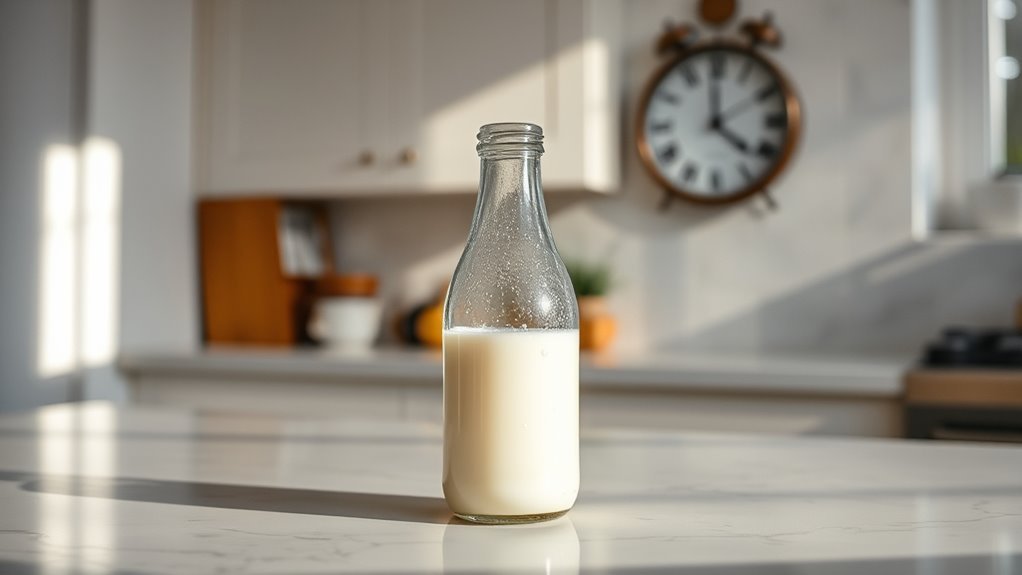
You can leave breast milk out safely for up to four hours at room temperature, especially if it’s around 77°F (25°C) or cooler. This guideline helps ensure the milk remains fresh and safe for your baby. Always use clean containers and keep the milk away from direct sunlight or heat sources to reduce contamination.
If you don’t plan to use the milk within four hours, refrigeration is key to preserving its quality and nutrients. Proper storage helps maintain the milk’s safety and beneficial properties for your little one.
Want to know how to spot spoiled milk and store it best? Understanding these tips can make feeding time safer and more convenient.
Understanding Room Temperature Guidelines for Breast Milk

Although breast milk is naturally designed to nourish your baby, understanding how long you can safely leave it at room temperature is essential. Generally, freshly expressed breast milk can sit out for up to four hours without compromising its quality or safety.
If the room is particularly warm, closer to 77°F (25°C) or higher, it’s best to use or refrigerate the milk sooner to prevent bacterial growth.
You should always store breast milk in clean containers and avoid leaving it exposed to direct sunlight or heat sources.
If you can’t feed your baby within this time frame, refrigerate or freeze the milk promptly.
Factors That Influence Breast Milk Shelf Life

Because several factors affect how long breast milk stays fresh, understanding them helps you store it safely. Here are four key factors that influence breast milk shelf life:
- Storage Temperature Cooler temperatures slow bacterial growth, extending freshness.
- Initial Milk Quality The health and diet of the mother can impact milk’s natural preservatives.
- Handling Practices Clean hands and sterilized containers reduce contamination risks.
- Exposure to Air and Light Minimizing exposure preserves nutrients and slows spoilage.
Signs That Breast Milk Has Gone Bad

Understanding the factors that affect breast milk’s freshness helps you store it properly, but recognizing when it’s gone bad is just as important. You need to watch for changes in smell, appearance, and texture to keep your baby safe.
Here are common signs breast milk has spoiled:
| Sign | What to Look For |
|---|---|
| Smell | Sour or rancid odor |
| Appearance | Separation that doesn’t mix after swirling or unusual clumps |
| Texture | Thick or chunky consistency |
If you notice any of these signs, it’s best to discard the milk. Trust your senses. If it looks or smells off, don’t risk it. Keeping an eye out helps ensure your baby only gets fresh, safe milk.
Safe Practices for Handling and Storing Breast Milk
When you handle and store breast milk properly, you protect its nutrients and keep your baby safe from harmful bacteria. To guarantee safety, follow these key steps:
- Always wash your hands thoroughly before expressing or handling milk.
- Use clean, sterilized containers specifically designed for breast milk storage.
- Label containers with the date and time of expression to keep track of freshness.
- Store milk immediately in the refrigerator or freezer, avoiding room temperature exposure beyond recommended times.
Tips for Reusing and Thawing Previously Frozen Breast Milk
Proper handling and storage don’t end once breast milk is frozen. When you thaw frozen milk, always do it in the refrigerator or by placing the container in warm water. Avoid using a microwave, as it can create hot spots and destroy nutrients.
Once thawed, use the milk within 24 hours and never refreeze it. If your baby doesn’t finish the bottle, discard any leftover milk to prevent bacterial growth.
Always gently swirl the milk to mix the fat that may have separated; don’t shake vigorously as it can break down proteins.
Label your milk with the date it was expressed and use the oldest milk first to maintain freshness. Following these tips helps you provide safe, nutritious milk every time.
Frequently Asked Questions
Can Breast Milk Be Left Out Overnight Safely?
No, you shouldn’t leave breast milk out overnight. Bacteria can grow quickly at room temperature, making it unsafe.
Always store it in the fridge or freezer promptly to keep your baby healthy and avoid spoilage.
Does Breast Milk Lose Nutrients When Left at Room Temperature?
You won’t lose a treasure chest of nutrients instantly, but breast milk does gradually lose some vitamins and immune properties if left at room temperature too long.
How Does Humidity Affect Breast Milk Storage Time?
Humidity can shorten breast milk’s safe storage time by promoting bacterial growth. You should store milk in a cool, dry place and refrigerate it promptly to keep it fresh and safe for your baby.
Can I Mix Freshly Expressed and Stored Breast Milk?
Yes, you can mix freshly expressed breast milk with refrigerated milk, but cool the fresh milk first. Always add fresh milk to older milk, never the reverse.
Use the combined milk within 24 hours for safety.
Is It Safe to Add Breast Milk to Warm Water?
Yes, you can add breast milk to warm water, but avoid using hot water to preserve nutrients.
Always warm milk gently by placing the container in warm water or using a bottle warmer for safety and quality.
Conclusion
When it comes to leaving breast milk out, think of time as your silent guardian—too long, and it loses its magic. You’ve got about 4 hours at room temperature before the milk starts to fade like a sunset. Trust your senses and handle with care to keep every precious drop safe.
By following these guidelines, you’re not just storing milk—you’re nurturing your baby’s future, one bottle at a time. Remember, knowing how long you can leave breast milk out safely helps ensure your baby gets the best nutrition every time. Proper storage and timely use are key to maintaining the quality and safety of breast milk.