How Many Calories Are in a Glass of Milk?
You’ll find about 150 calories in a standard 8-ounce glass of whole milk, mainly from its natural fat content. If you choose skim or low-fat options, calories drop to between 80 and 120 per glass. Plant-based milks vary widely in calories depending on type and brand.
Portion size also matters since larger glasses add up quickly. There’s more to milk than calories, including key nutrients that support your health.
Calorie Content of Whole Milk

Containing about 150 calories per 8-ounce glass, whole milk provides a rich source of energy. When you choose whole milk, you’re getting a balanced mix of fat, protein, and carbohydrates that fuel your body effectively.
Whole milk offers about 150 calories per glass, delivering balanced fat, protein, and carbs for energy.
The natural fat content, usually around 3.25%, contributes considerably to its caloric value. This fat not only adds calories but also helps your body absorb fat-soluble vitamins like A and D.
Whole milk’s calories come primarily from fat, with protein and lactose adding smaller amounts. If you’re active or need extra energy, whole milk can be a convenient option.
Keep in mind that the calorie count can vary slightly by brand or milk source, but it generally stays close to 150 calories per glass.
Calories in Skim and Low-Fat Milk

How many calories do you get from skim and low-fat milk compared to whole milk? Skim milk has the fewest calories because it contains almost no fat, while low-fat milk has a moderate amount. Both are great if you want to reduce calorie intake but still enjoy milk’s nutrients.
Here’s a quick look at calories per 1 cup (240 ml):
| Milk Type | Calories per Cup |
|---|---|
| Whole Milk | 150 |
| Low-Fat Milk (1%) | 100 |
| Reduced-Fat (2%) | 120 |
| Skim Milk (Fat-Free) | 80 |
Choosing skim or low-fat milk helps you cut calories without sacrificing protein and calcium. You can enjoy milk’s benefits while managing your calorie intake more effectively.
Comparing Calories in Plant-Based Milks

While plant-based milks offer a popular alternative to dairy, their calorie counts can vary widely depending on the type and brand you choose. If you’re watching your calorie intake, it’s important to compare options carefully.
Here’s a quick look at common plant-based milks:
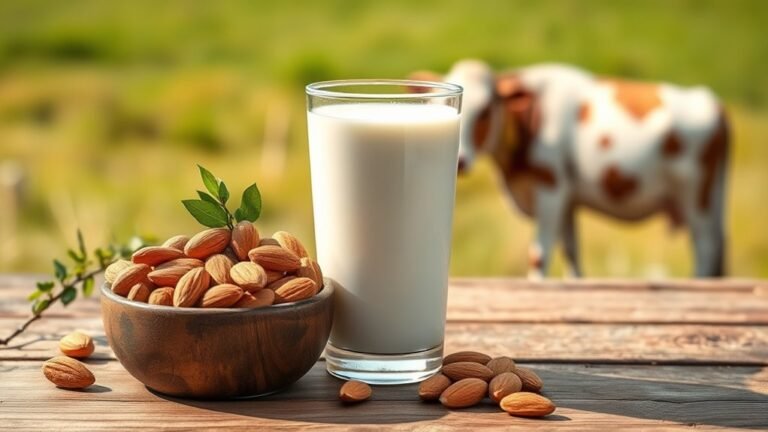
Almond milk: Typically low in calories, around 30 to 50 per cup, but check for added sugars.
Soy milk: Higher in protein and calories, usually about 80 to 100 per cup, closer to dairy milk.
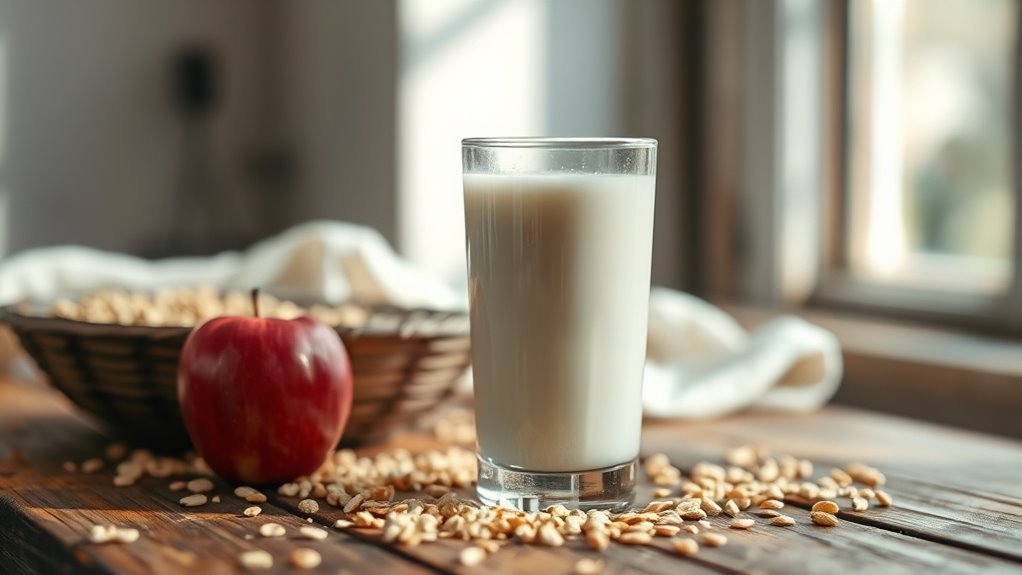
Oat milk: Often creamier with 120 to 130 calories per cup, but sometimes contains added sugars.
How Serving Size Affects Calorie Intake
Because serving sizes can vary, paying attention to the amount you pour makes a big difference in your calorie intake. For example, a typical glass of milk is often considered 8 ounces, but you might drink more or less without realizing the calorie impact.
If you double the serving size, you double your calorie consumption, which adds up quickly. Here’s a quick look at how calories change with serving size for whole milk:
| Serving Size (oz) | Calories |
|---|---|
| 4 | 75 |
| 8 | 150 |
| 12 | 225 |
| 16 | 300 |
| 20 | 375 |
Being mindful of portion size helps you manage your calorie intake effectively.
Nutritional Benefits Beyond Calories
Although calories are important to contemplate, milk offers much more in terms of nutrition that can support your overall health. When you choose to include milk in your diet, you’re not just getting energy. You’re also fueling your body with essential nutrients that help maintain strong bones, support muscle function, and boost your immune system.
Here are some key benefits you get beyond calories:
- Calcium and Vitamin D: Strengthen bones and teeth, reducing the risk of osteoporosis.
- Protein: Supports muscle repair and growth, keeping you active and strong.
- B Vitamins: Aid in energy production and promote brain health.
Tips for Choosing the Right Milk for Your Diet
When selecting milk for your diet, you’ll want to contemplate factors like fat content, added sugars, and dietary restrictions to find the best fit for your health goals.
If you’re watching calories, skim or low-fat milk offers fewer calories without sacrificing protein.
Avoid flavored milks, as they often contain added sugars that can add unnecessary calories.
If you’re lactose intolerant or vegan, plant-based options like almond, soy, or oat milk can provide alternatives, but check their nutritional labels carefully. Some are fortified with calcium and vitamin D, matching cow’s milk benefits.
Also, consider organic or hormone-free milk if you prefer fewer additives.
Ultimately, choose milk that aligns with your calorie needs, taste preference, and any dietary restrictions to maintain a balanced and enjoyable diet.
Frequently Asked Questions
How Does Milk Calorie Content Vary by Brand?
Milk calorie content varies by brand because of differences in fat content, added ingredients, and fortification. You’ll find some brands offer low-fat or flavored options, which can change the calories.
Always check the label before buying.
Are There Calorie Differences in Flavored Versus Plain Milk?
Yes, flavored milk usually has more calories than plain milk because it contains added sugars or sweeteners. When you choose flavored milk, expect extra calories compared to the natural, unsweetened plain milk you’re used to.
Can Milk Calories Affect Weight Loss Efforts?
Yes, calories count, calories matter, calories influence. If you want to lose weight, you have to watch your calorie intake, including milk.
Choose low-fat or skim milk to enjoy benefits without derailing your efforts.
How Does Milk Storage Impact Its Calorie Value?
Milk storage doesn’t change its calorie value, so you don’t need to worry about that. However, storing milk properly keeps it fresh and safe to drink, preserving its nutritional benefits, including calories.
Do Milk Calories Change With Temperature (Cold vs. Warm)?
No, milk calories don’t change with temperature. Whether you drink it cold or warm, the calorie content stays the same because heating or cooling doesn’t alter the milk’s nutritional composition or energy value.
Conclusion
Think of choosing milk like picking a pair of shoes—you want the right fit for your needs. Just as a runner wouldn’t wear heavy boots, you wouldn’t always reach for whole milk if you’re watching calories.
Remember, a glass of whole milk has about 150 calories, while skim milk has just 90. By knowing these differences, you can pick the milk that best matches your lifestyle and health goals, making every sip count toward your well-being.
Understanding how many calories are in a glass of milk helps you make informed choices. Whether you prefer whole, skim, or another variety, selecting the right milk supports your nutrition and calorie management goals.