How to Substitute Heavy Cream for Milk in Recipes
When you need to swap heavy cream for milk in a recipe, it’s not as simple as just pouring it in. Heavy cream’s richness and thickness can change the texture and flavor of your dish, so you’ll want to adjust the proportions carefully. Knowing how to balance these differences can keep your recipe on track.
Let’s explore how you can make this substitution work without compromising the final result. Understanding how to substitute heavy cream for milk in recipes is key to maintaining the desired consistency and taste. By making these adjustments, you can ensure your dish turns out just right every time.
Understanding the Role of Heavy Cream in Recipes

Why does heavy cream play such an essential role in recipes? It’s all about the milk fat. Heavy cream contains at least 36% milk fat, which gives it that rich, velvety texture you often crave in sauces, soups, and desserts.
When you add cream, you’re not just adding fat; you’re enhancing the mouthfeel, creating a smooth, luxurious experience. Heavy cream also acts as an emulsifier, helping to stabilize mixtures and prevent curdling.
This stabilizing property ensures your dishes maintain a consistent texture and don’t separate. Plus, its unique balance of fat, protein, and sugars lets you whip it into peaks, adding volume and lightness that milk can’t provide.
Understanding this role helps you appreciate why heavy cream is a kitchen staple.
Differences Between Heavy Cream and Milk

Although heavy cream and milk both come from dairy, their differences in fat content and texture are striking. Heavy cream contains 36-40% fat, giving it a rich, velvety texture, while milk has only 2-3% fat, making it thinner and lighter.
This high fat content makes heavy cream different from fresh milk and unsuitable as a direct substitute without adjustments. Here’s a quick comparison:
| Feature | Milk | Heavy Cream |
|---|---|---|
| Fat Content | 2-3% | 36-40% |
| Texture | Thin, liquid | Thick, creamy |
| Use in Recipes | Can’t be whipped | Whippable, rich |
Understanding these differences helps you decide when and how to substitute heavy cream for milk effectively.
How to Make Heavy Cream Substitute Using Milk and Butter

Since heavy cream has a much higher fat content than milk, you can’t simply swap one for the other without adjusting the recipe.
To make a heavy cream substitute using milk and butter, follow these steps:
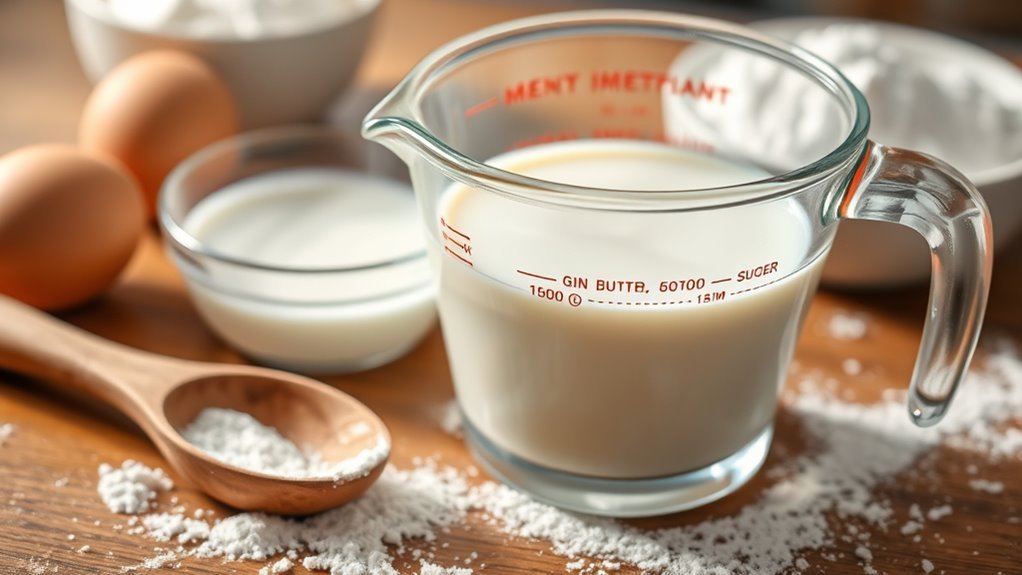
- Melt 1/4 cup (half a stick) of unsalted butter and let it cool slightly.
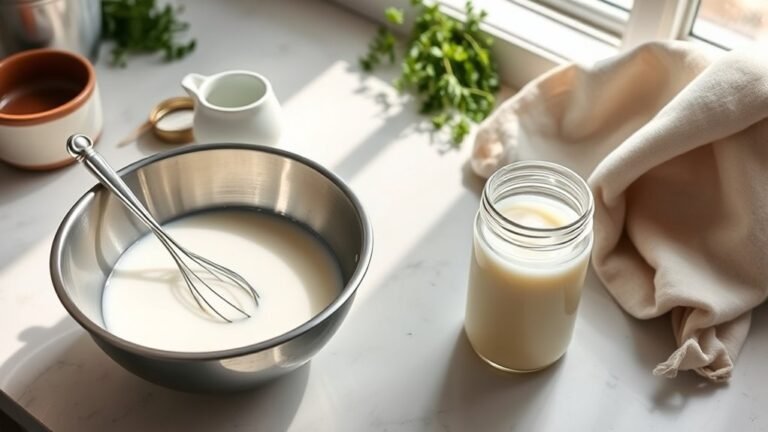
- Mix the cooled butter thoroughly with 3/4 cup of whole milk to create a smooth mixture.
- Use this mixture as a 1:1 substitute for heavy cream in cooking and baking.
This milk and butter mixture mimics the fat content and richness of heavy cream but won’t whip into peaks like real whipped cream.
It’s perfect when you need the creamy texture and fat in sauces, soups, or baked goods without heavy cream on hand.
Using Half and Half as a Milk Substitute
When you need a richer alternative to milk, half and half offers a creamy option that enhances flavor in your dishes. With 12% to 18% milk fat, half and half is thicker and creamier than regular milk but has lower fat than heavy cream.
Half and half provides a creamy, flavorful alternative to milk with a perfect balance of richness and lightness.
You can use it directly as a milk substitute in cooking and baking to add creaminess and depth, especially in sauces and custards.
If you want a lower fat option closer to milk, dilute half and half with water in a 3:1 ratio—¾ cup half and half to ¼ cup water—to maintain moisture while reducing richness.
Keep in mind, half and half brings a slightly different flavor and texture, which may subtly influence your final dish’s taste.
Evaporated Milk and Powdered Milk Alternatives
Several pantry staples like evaporated milk and powdered milk can step in as convenient substitutes for fresh milk. Evaporated milk offers a thick consistency and richer flavor since about 60% of its water is removed. You can dilute it with equal parts water to match regular milk’s fat content, making it ideal for baking.
Powdered milk requires reconstituting. Mix it with water as per instructions to approximate fresh milk’s fat content and texture, though its flavor might slightly differ.
Here’s why you might choose these shelf-stable milk substitutes:
- They’re easy to store long-term without refrigeration.
- Evaporated milk adds creaminess without heavy cream.
- Powdered milk lets you control fat content by adjusting water.
Both work well in recipes when fresh milk isn’t available.
Non-Dairy Milk Options for Cream Substitution
If you’re looking to substitute heavy cream with non-dairy alternatives, plant-based milks like almond, soy, oat, and coconut can work well. Choose unsweetened non-dairy milks to avoid altering your dish’s flavor profile.
Since these milks often have lower fat content than heavy cream, you can blend them with plant-based oils or use thickening agents like cornstarch to bolster richness and texture.
Enhance plant-based milks by blending with oils or thickening agents like cornstarch for richer texture and flavor.
Coconut milk stands out because of its naturally higher fat content, offering excellent creaminess and making it ideal for recipes needing a thicker consistency or whipped toppings.
Keep in mind that each non-dairy milk brings its own unique flavor profile and texture, so pick one that complements your recipe best to ensure a delicious outcome.
Tips for Achieving the Best Texture and Flavor With Substitutes
Choosing the right substitute is only part of the process; achieving the best texture and flavor requires some adjustments. When using heavy cream as a substitute, keep these tips in mind:
- Adjusting ratios: Dilute heavy cream with water to match milkfat content. For lighter dishes, mix equal parts heavy cream and water. Use less water for more richness and body.
- Enhance flavor profile: Add a touch of sugar or vanilla to replicate milk’s mild sweetness, balancing your recipe’s flavor.
- Taste and tweak: Always taste your mixture and final dish, adjusting seasonings to maintain harmony and avoid overpowering richness.
Frequently Asked Questions
Can You Substitute Heavy Cream for Milk in a Recipe?
Yes, you can substitute heavy cream for milk by diluting it with water, usually half cream and half water. This reduces fat content, making it suitable for most recipes needing milk’s texture and creaminess.
How to Use Milk if You Don’t Have Heavy Cream?
If life gives you milk instead of heavy cream, mix 3/4 cup milk with 1/4 cup melted butter to mimic cream’s richness. Add flour for thickness, but remember, it won’t whip like cream does.
How Much Heavy Cream Is Equivalent to 1 Cup of Milk?
You can use about 1/4 cup of heavy cream mixed with 3/4 cup water to equal 1 cup of milk. This combo matches milk’s consistency and fat content for your recipes.
How Does Heavy Cream Affect Baking Recipes?
Heavy cream makes your baked goods richer, denser, and moister. It improves browning and tenderness but can alter rise and texture, so expect a heavier, flakier result compared to using milk in your recipes.
Conclusion
Now that you know how to swap heavy cream for milk, you’re ready to channel your inner culinary wizard. Like a modern-day alchemist, you can transform simple ingredients—mixing, diluting, or blending—to create the perfect texture and richness every time.
Whether you’re baking or making sauces, these tricks ensure your recipes don’t miss a beat. With a little creativity and understanding of how to substitute heavy cream for milk in recipes, you can turn kitchen challenges into delicious victories every time.