How to Substitute Milk for Heavy Cream in Recipes at Home
Imagine trying to capture the richness of heavy cream using just milk—it’s like painting a masterpiece with a limited palette. Learning how to substitute milk for heavy cream in recipes might seem challenging at first. But with a few simple tweaks, you can get surprisingly close to that creamy texture and flavor.
Whether you’re cooking, baking, or making a sauce, knowing how to substitute milk effectively can save you time and ingredients. Let’s explore some practical methods that can help you achieve creamy results without reaching for the cream.
Understanding the Role of Heavy Cream in Recipes

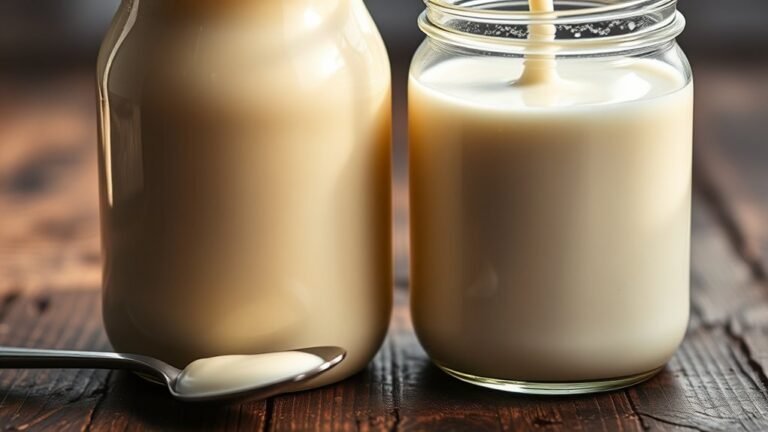
Although heavy cream and milk might seem similar, heavy cream plays a unique role in recipes due to its high butterfat content of 36-38%. This high fat content gives heavy cream its rich and velvety texture, which adds richness and depth to your dishes.
When you whip heavy cream, it thickens and stabilizes, allowing it to form stiff peaks that provide structure and lightness in desserts.
Beyond texture and flavor, heavy cream acts as an emulsifying agent, helping to bind ingredients smoothly and enhancing mouthfeel.
It also contributes to tenderness by adding essential moisture and fat to baked goods.
Understanding these qualities is key when you want to substitute milk for heavy cream without losing the creaminess and stability it naturally provides.
Simple Milk and Butter Substitute for Heavy Cream

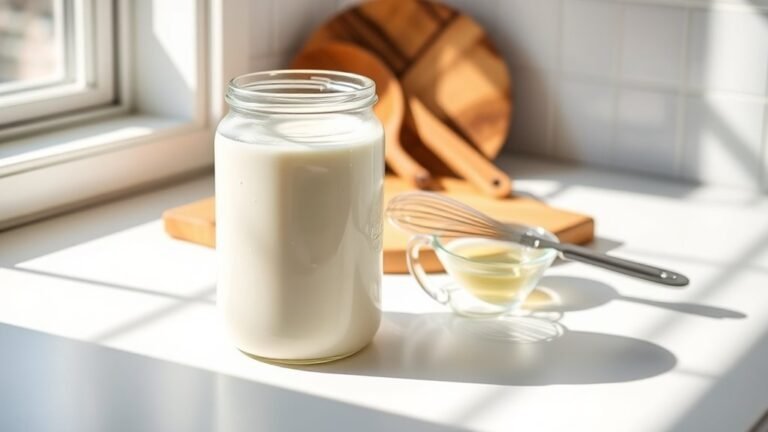
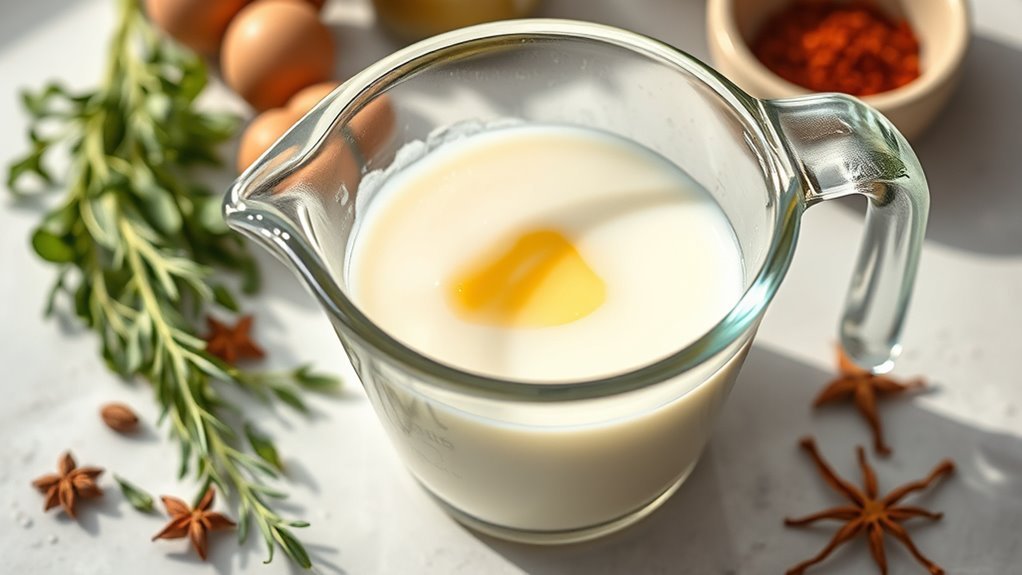
When you need heavy cream but only have milk on hand, you can easily create a substitute by combining milk with butter. This homemade mixture mimics the fat content of heavy cream, making it perfect for most recipes.
Here’s how to make your simple milk and butter substitute:
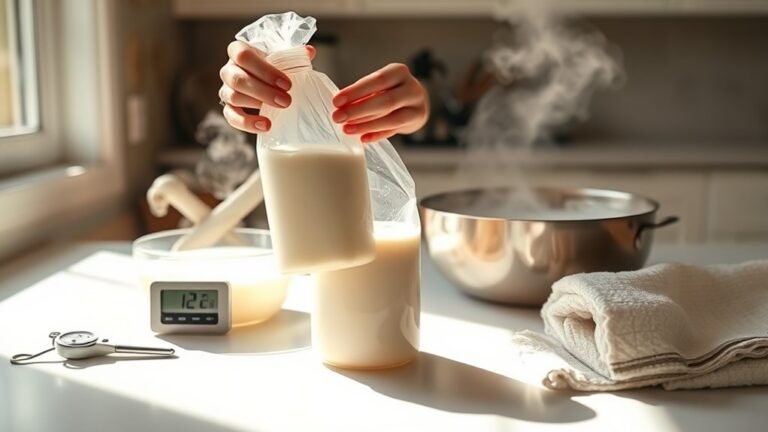
- Melt 1/4 cup of unsalted butter and let it cool to room temperature.
- Whisk the cooled butter thoroughly into 3/4 cup of whole milk to form a smooth emulsion.
- Use this blend directly in recipes that call for heavy cream, except for whipped toppings.
This easy substitute provides a creamy texture and the right fat content, ensuring your dishes turn out just right without heavy cream.
Using Evaporated and Powdered Milk as Cream Alternatives

If you don’t have heavy cream on hand, evaporated and powdered milk offer convenient alternatives that can work well in many recipes.
To use evaporated milk as a substitute, dilute it with an equal amount of water to approximate the consistency of heavy cream.
Powdered milk, when reconstituted with water, also serves as a shelf-stable substitute, though its fat content varies by brand. For a richer texture, add a small amount of melted butter to reconstituted powdered milk.
Both options perform well in cooking and baking, especially in sauces and baked goods, but neither whips like heavy cream.
Keep in mind that evaporated milk generally matches heavy cream’s flavor more closely, so measure and mix properly to get the best results when substituting in your recipes.
Non-Dairy Options to Replace Heavy Cream
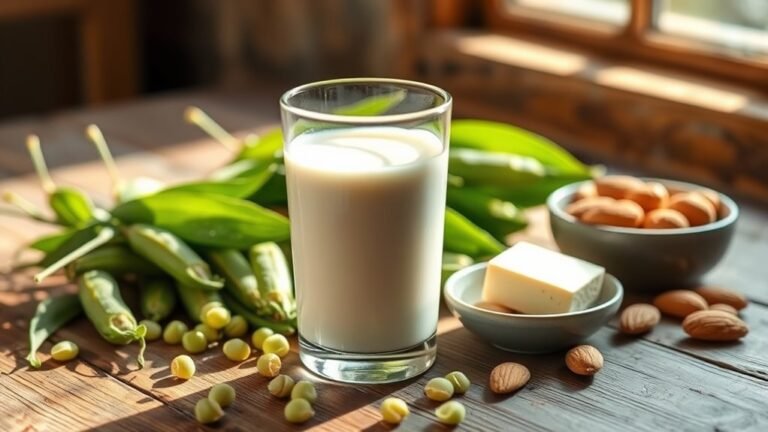
Since heavy cream is a dairy product, finding non-dairy alternatives can be essential for vegan diets or lactose intolerance.
Heavy cream is a dairy product, so non-dairy alternatives are key for vegans and those lactose intolerant.
You can try these effective vegan substitutes that maintain emulsification and stability:
- Unsweetened coconut cream offers a thick, creamy texture and works well as a non-dairy cream alternative in both cooking and baking.
- Blend plant-based milk like soy milk or almond milk with plant-based butter or oil to mimic heavy cream’s richness and consistency.
- Commercial vegan heavy cream products often include stabilizers and emulsifiers, providing a ready-made option with similar whipping ability.
Experiment with these plant-based options to ensure your recipes stay creamy and delicious without dairy.
Tips and Limitations When Substituting Milk for Heavy Cream
Although milk can sometimes stand in for heavy cream, you’ll notice it lacks the high fat content that gives cream its richness and stability.
When you use milk as a substitute for heavy cream, keep in mind it has a lower fat content, so it won’t whip or thicken like heavy cream does.
A popular trick is mixing milk and butter. Combine 3/4 cup milk with 1/4 cup melted butter to mimic the higher fat content, but this blend can’t be whipped.
Milk powder can help boost creaminess in some recipes, but it won’t replace heavy cream’s texture entirely. Use milk-based substitutes mainly in sauces, soups, or baked goods, and avoid them in recipes that call for heavy cream’s aeration or whipped texture for best results.
Frequently Asked Questions
How Can I Substitute Heavy Cream With Milk?
You can substitute heavy cream by mixing 3/4 cup whole milk with 1/4 cup melted butter, heating them together, then cooling. This creates a rich, creamy texture perfect for cooking and baking, but not for whipping.
How to Use Milk if You Don’t Have Heavy Cream?
You can mix 3/4 cup milk with 1/4 cup melted butter, warm it, and blend to mimic heavy cream’s richness. Use this in cooking or baking, but don’t try whipping it for toppings.
How to Turn 2% Milk Into Heavy Cream?
Melt 1/4 cup unsalted butter and let it cool slightly. Whisk it into 3/4 cup 2% milk until combined.
You’ve made a heavy cream substitute perfect for cooking, but it won’t whip.
How Much Heavy Cream Is Equivalent to 1 Cup of Milk?
Think of milk as a gentle stream and heavy cream as a rushing river; to match 1 cup of milk, use about 1/3 to 1/2 cup of heavy cream, diluted to balance richness without overwhelming your recipe.
Conclusion
Now that you know how to substitute milk for heavy cream, why let a missing ingredient hold you back? Mixing whole milk with melted butter gives you a quick, effective alternative for cooking and baking.
Remember, while non-dairy options offer great variety, they won’t whip like heavy cream. So next time you’re out of cream, you’ve got simple solutions ready to keep your recipes delicious and on track!
Using milk as a heavy cream substitute can save your dish without compromising flavor. These milk alternatives for heavy cream allow you to maintain creamy textures in sauces, soups, and baked goods.