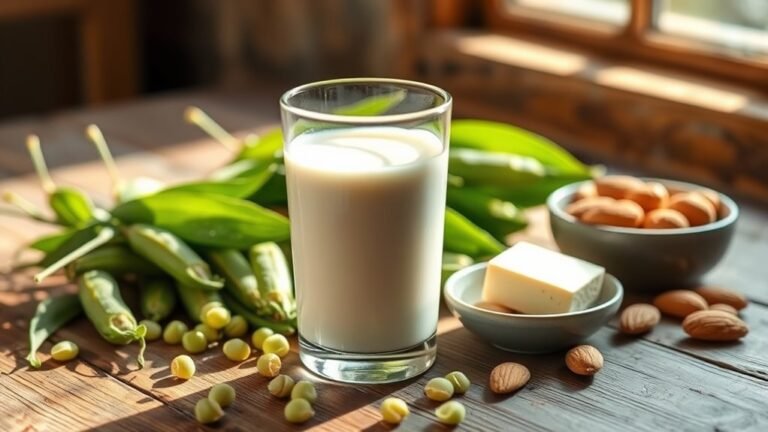
Does Drinking Milk Make You Grow Taller? Science & Facts Explained
You might wonder if drinking milk can actually help you grow taller. After all, milk is often linked to strong bones and healthy growth. But does it really have the power to influence your height, or is that mostly determined by factors beyond what you drink?
Understanding how milk fits into your overall growth requires looking at more than just a glass. There’s more to contemplate before drawing a conclusion about milk and height.
Key Takeaways About Milk and Height

While drinking milk provides your body with important nutrients like calcium, protein, and vitamin D that support bone growth, it doesn’t guarantee you’ll grow taller.
Milk contains key nutrients that contribute to healthy bone development, especially during childhood when your growth plates are still open.
Milk provides essential nutrients that support strong bones during the crucial growth phase of childhood.
Calcium and vitamin D in milk help strengthen bones, which is essential for overall growth potential. However, height is influenced by many factors, including genetics and overall nutrition, so milk alone won’t determine your final height.
The hormone IGF-1 in milk may promote growth, but its direct impact on human height remains uncertain.
After puberty, once your growth plates close, drinking milk won’t increase your height. Still, including milk as part of a balanced diet supports healthy growth and bone strength.
Nutritional Components in Milk That Support Growth

Because milk offers a rich blend of nutrients essential for growth, it plays a key role in supporting your body’s development. Milk provides calcium, a fundamental mineral that strengthens bones and promotes skeletal development.
Alongside calcium, vitamin D in milk helps your body absorb this mineral efficiently, supporting bone growth and mineralization. You’ll also get high-quality protein containing all essential amino acids needed for tissue growth and repair.
Zinc, another essential nutrient found in milk, aids in cell growth and immune function. Additionally, milk contains IGF-1, a bioactive compound that may stimulate growth-related processes.
Together, these nutrients work synergistically to support your skeletal development and overall growth, highlighting milk’s important role in your diet.
How Milk Consumption Affects Children’s Growth

If you want to support your child’s growth, including milk in their diet can make a significant difference. Milk intake provides calcium and vitamin D, essential for bone development and overall children’s growth.
It also boosts IGF-1 levels, a hormone that promotes growth during childhood. However, balancing milk consumption is key, as too much can affect nutrient absorption, particularly iron.
Pairing milk with a balanced diet ensures ideal growth outcomes.
| Benefit | Nutrient | Effect on Growth |
|---|---|---|
| Bone Development | Calcium & Vitamin D | Strengthens bones |
| Hormonal Support | IGF-1 | Enhances muscle & bone |
| Growth Support | Protein | Supports height increase |
The Role of Milk in Adult Bone Health
When you include milk in your daily diet, you provide your body with calcium and vitamin D, two key nutrients that help maintain strong bones and lower the risk of osteoporosis as you age. These nutrients work together to support bone health by enhancing calcium absorption and preserving bone density.
Milk also contains growth factors and bioactive peptides that aid bone remodeling and repair.
To visualize its benefits:
- Stronger bones resisting fractures
- Improved bone density over time
- Enhanced calcium absorption with vitamin D
- Active bone remodeling for repair
- Reduced osteoporosis risk in later years
Genetic and Environmental Factors Influencing Height
Although milk provides important nutrients for bone health, your ultimate height depends largely on genetics and environmental influences.
Genetics, involving over 700 gene variants, determine about 80% of your height potential. These genetic determinants set the range within which your height development can occur.
However, environmental factors like childhood nutrition, physical activity, and overall health profoundly impact whether you reach that growth potential.
External influences such as maternal nutrition during pregnancy, exposure to pollutants, and socioeconomic status also play roles, though less dominant than genetics.
Lifestyle Habits That Maximize Growth Potential
To maximize your growth potential, adopting healthy lifestyle habits plays a crucial role alongside genetics and nutrition. Your body thrives when you focus on boosting growth hormone through good habits.
Here’s how you can support bone growth and height potential:
Get adequate sleep, especially between 11 PM and 2 AM, to enhance growth hormone secretion.
Engage in regular physical activities like swimming, cycling, and jump rope to stimulate bone and muscle growth.
Follow a balanced diet rich in essential nutrients such as calcium, vitamin D, and protein to improve nutrient intake.
Practice weight-bearing and stretching exercises consistently to encourage bone density and lengthening.
Minimize sedentary time and maintain a healthy, pollution-free environment to support overall healthy lifestyle benefits.
These habits together help you maximize your height potential effectively.
Recommended Milk Intake for Different Age Groups
Two cups of milk a day is the general recommendation for children aged 1 to 5 years to support healthy growth.
According to pediatric guidelines, children between 1 and 2 years should consume about 16 ounces of milk daily to ensure proper nutrition that promotes height and overall development.
For children aged 2 to 5, the recommended milk intake remains the same, around 2 cups per day.
After age 5, continuing this level of milk intake supports ongoing growth without risking nutrient imbalances.
It’s important not to surpass the recommended amount, as more than 2 cups daily can interfere with iron absorption, increasing anemia risk.

Frequently Asked Questions
Does Milk Help Height?
Yes, milk can help your height during growth by providing nutrients like calcium and protein that support bone development. However, it won’t make you taller once you’ve finished growing or change your genetic height potential.
Should I Drink Milk at 14?
Yes, you should drink milk at 14 because it provides essential nutrients like calcium and vitamin D that support your bone health and overall nutrition.
These nutrients help you maintain strong bones even if it won’t make you grow taller.
What Can Make You Grow Taller?
You can grow taller by eating nutritious foods rich in calcium, vitamin D, and protein. Getting enough sleep and staying active with exercises like swimming or stretching also help.
Allow your body to develop during critical growth phases to maximize height potential.
Conclusion
You might think drinking milk alone will make you taller, but it’s just one piece of the puzzle. While milk provides essential nutrients like calcium, vitamin D, and protein that support bone growth, your height mainly depends on genetics and overall lifestyle.
So, don’t rely only on milk—focus on a balanced diet, enough sleep, and regular exercise to give yourself the best chance at reaching your full height potential. Remember, drinking milk can help support growth, but it’s the combination of healthy habits that truly influences how tall you grow.