How Much Sugar Is in Whole Milk? Nutrition Facts & Health Guide
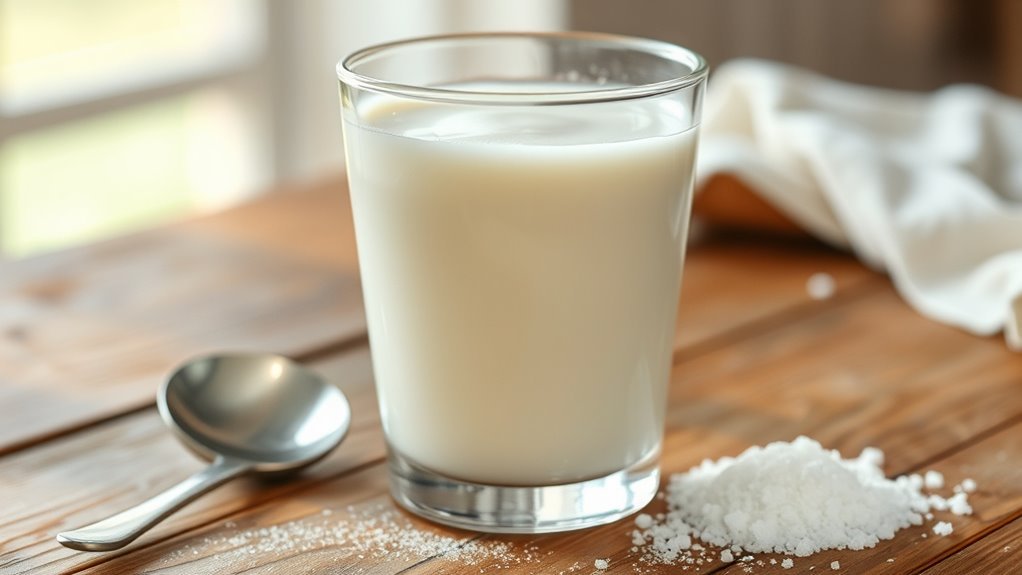
When you pour a glass of whole milk, you might wonder how much sugar it actually contains. The sugar in whole milk primarily comes from lactose, a natural carbohydrate found in dairy. Unlike the added sugars in sweetened drinks, this sugar is naturally occurring.
But how does that sugar affect your body, and how does it compare to other types of milk? Understanding the sugar content in whole milk can help you make better dietary choices. This is especially important if you are watching your sugar intake or managing blood sugar levels.
Understanding Lactose in Whole Milk

Although you mightn’t notice it, whole milk naturally contains about 12 grams of lactose per 8-ounce serving. Lactose is one of the natural sugars, or milk sugars, found in milk. It’s a disaccharide, meaning it’s made up of two simpler sugars: glucose and galactose.
These sugars give whole milk its mildly sweet taste without any added sweeteners. When you drink whole milk, your body relies on the enzyme lactase to break down lactose into glucose and galactose, which your digestive system can then absorb.
If your body doesn’t produce enough lactase, digesting lactose becomes difficult, leading to discomfort. Understanding lactose helps you appreciate the natural sugar content in whole milk and how your digestion processes these milk sugars.
Comparing Sugar Content Across Milk Types

When you compare different types of milk, you’ll find that whole, 2%, and skim milk all contain about the same amount of natural sugar, around 12 grams of lactose per cup. This means the sugar content doesn’t vary much with fat levels in dairy milk.
The sugar in whole milk primarily comes from lactose, a natural sugar found in all these milk types.
However, if you switch to flavored milk, like chocolate or strawberry, you’ll notice the sugar content roughly doubles due to added sugars, reaching about 24 grams per cup.
Natural Sugar vs. Added Sugar in Dairy

Because whole milk contains about 12 grams of lactose per cup, you’re getting natural sugar without any added sweeteners.
Lactose, a naturally occurring sugar, is the main natural sugar in plain whole milk.
When you check the nutrition label, you’ll notice the total sugars listed include both lactose and any added sugar.
However, plain whole milk contains no added sugar, making its total sugars solely from lactose.
Added sugars are typically found in flavored or processed dairy products, not in unflavored whole milk.
Understanding this difference helps you make informed choices.
Impact of Milk Sugar on Blood Glucose Levels
If you drink an 8-ounce glass of whole milk, you’ll consume about 12 grams of lactose, a sugar that breaks down into glucose and galactose and enters your bloodstream gradually. Because lactose has a low glycemic index, it causes a slower, more moderate rise in blood sugar levels compared to simple sugars.
An 8-ounce glass of whole milk provides 12 grams of lactose, causing a gradual, moderate blood sugar rise.
The natural sugar in milk, combined with its protein and fat, helps slow digestion and sugar absorption.
Here’s how milk sugar impacts you:
- Slower sugar absorption reduces sharp blood glucose spikes.
- Insulin sensitivity is minimally affected when consumed in moderation.
- Nutrient absorption alongside milk helps stabilize blood sugar further.
Nutritional Benefits of Whole Milk Sugar
The natural lactose sugar in whole milk not only affects blood sugar levels gently but also brings several nutritional benefits to your diet. This sugar in milk is made up of simple sugars, glucose and galactose, which your body easily digests and uses for quick energy.
Unlike added sugars, the natural sugars in whole milk come paired with essential nutrients like calcium, vitamin D, and high-quality protein, making it a nutrient-rich choice. Lactose, the disaccharide sugar in milk, supports metabolic functions without causing sudden blood sugar spikes when consumed in moderation.
Lactose Intolerance and Sugar Digestion
When you consume whole milk, your body relies on the enzyme lactase to break down lactose, the natural sugar it contains. If you have lactose intolerance, your small intestine doesn’t produce enough lactase enzyme to properly digest this sugar in milk.
This leads to undigested lactose fermenting in your colon, causing discomfort. Understanding lactose digestion helps you manage symptoms effectively:
-
- Lactose intolerance varies based on genetics, age, and gut health.
- Proper lactose breakdown into glucose and galactose is essential for energy production.
- Consuming small amounts or choosing lactose-free options can ease digestion.
Choosing Milk Options Based on Sugar Content
Because milk varieties differ in sugar content, you should consider your dietary goals when selecting which type to drink.
Whole milk contains about 12 grams of natural sugar (lactose) per serving, with no added sugars if it’s unsweetened.
If you want to reduce sugar intake, opting for unsweetened milk is a smart choice.
Flavored milk, like chocolate or strawberry, often doubles the sugar content due to added sugars, sometimes reaching 24 grams per serving.
To make informed decisions, focus on reading labels carefully; this helps you compare sugar levels and assess the nutritional value of various milk options.
Frequently Asked Questions
Is Whole Milk High in Sugar?
No, whole milk isn’t high in sugar. It contains about 12 grams of natural lactose per cup, which isn’t added sugar.
You’ll get a moderate, naturally sweet taste without worrying about excess sugar intake.
Which Milk Has the Least Amount of Sugar?
Coincidentally, unsweetened almond milk has the least sugar, with virtually zero grams per serving. If you’re watching sugar intake, you’ll appreciate that coconut and unsweetened soy milk also keep sugar low, around 1-2 grams.
Which Milk Has the Most Sugar?
You’ll find the most sugar in flavored or sweetened milks, especially chocolate milk, which can pack about 24 grams of sugar per cup.
Stick to those if you want a sweeter drink!
Does Whole Milk Have Benefits?
Yes, whole milk has benefits. You’ll get essential nutrients like calcium, vitamin D, and protein, which support bone health and energy.
Its natural sugars help with nutrient absorption, making it a valuable part of your balanced diet.
Conclusion
You might be surprised to learn that an 8-ounce glass of whole milk contains about 12 grams of natural sugar, all from lactose. This means you’re getting a steady source of energy without any added sugars. Because lactose digests slowly, it won’t cause sharp spikes in your blood sugar.
So, when choosing milk, remember that the natural sugar in whole milk supports your energy and nutrient needs while keeping things balanced. Whole milk sugar content provides a healthy, natural sweetness that fits well into a balanced diet.