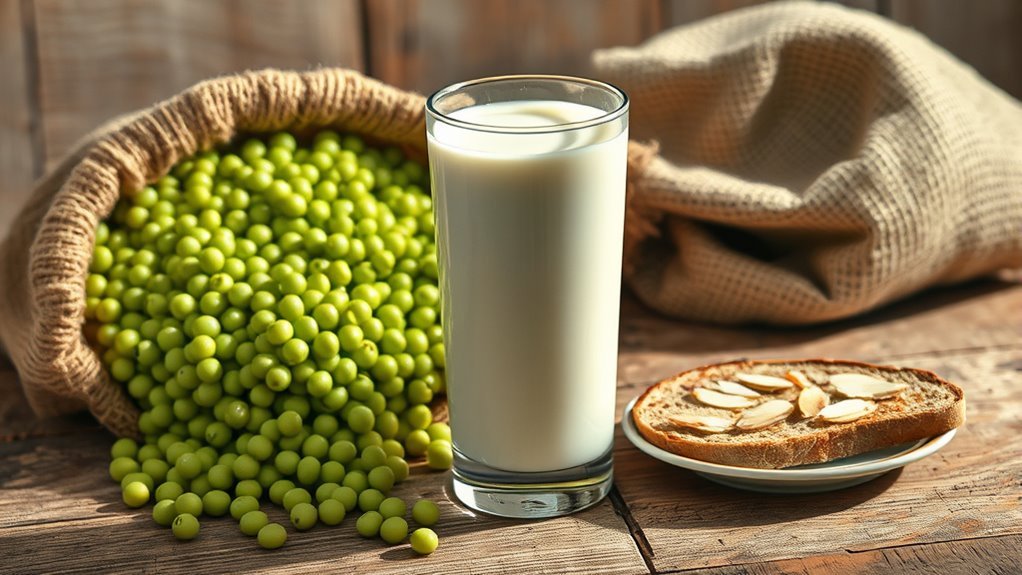
How to Tell If Drinking Soy Milk Is Good for You
You can tell if drinking soy milk is good for you by checking its nutrition and how your body reacts. Soy milk offers plant protein, heart-friendly fats, and important vitamins that support overall health. It is a popular dairy alternative for those seeking lactose-free options.
Watch for any allergic reactions or digestive discomfort, especially if you’re new to soy milk. If you have hormone-sensitive conditions, consult a doctor since soy contains mild estrogen-like compounds. Understanding these factors helps ensure soy milk fits your personal health needs.
Seeing how soy milk compares to other milks and fits your dietary requirements will help you decide if it’s right for you. Exploring more about soy milk can clarify its health benefits and potential risks. This knowledge empowers you to make informed dietary choices.
Nutritional Profile of Soy Milk

The nutritional profile of soy milk makes it a popular choice for many looking to replace dairy. When you choose soy milk, you get a good source of plant-based protein, usually around 7 grams per cup, which supports your muscle health.
It’s naturally low in saturated fat and contains no cholesterol, making it heart-friendly. You’ll also find essential fatty acids and important minerals like calcium, especially in fortified versions, which help maintain strong bones.
Plus, soy milk provides vitamins like B12 and D, often added to mimic cow’s milk. If you’re seeking a balanced alternative with a nutrient composition similar to dairy, soy milk fits the bill well.
Just be sure to check labels for added sugars or flavors that might affect its nutritional value.
Health Benefits of Soy Milk

Although many plant-based milks offer health perks, soy milk stands out for its unique benefits, including heart health support and bone strengthening.
Drinking soy milk regularly can help lower LDL cholesterol due to its isoflavones and protein content, which reduces your risk of heart disease.
It also provides calcium and vitamin D, essential for maintaining strong bones and preventing osteoporosis.
Plus, soy milk contains antioxidants that help combat inflammation and support overall immune health.
If you’re looking to manage your weight, soy milk offers a satisfying, low-calorie alternative to dairy without sacrificing protein.
Incorporating soy milk into your diet can contribute to balanced nutrition while supporting heart, bone, and metabolic health, making it a smart choice for many people seeking plant-based options.
Potential Allergies and Sensitivities

While soy milk offers many health advantages, it can also cause allergic reactions or sensitivities in some people. If you have a soy allergy, consuming soy milk might trigger symptoms like hives, itching, swelling, or even digestive issues.
It’s important to pay attention to any unusual reactions after drinking soy milk, especially if you’re trying it for the first time. Some individuals may experience mild sensitivities, such as bloating or gas, due to difficulty digesting certain compounds in soy.
If you suspect soy milk is causing discomfort, consider eliminating it for a while and consult your healthcare provider to confirm any allergy or sensitivity. Being cautious helps you enjoy soy milk safely without risking adverse effects.
Impact of Soy Milk on Hormonal Health
Because soy milk contains compounds called isoflavones, it can influence your hormonal health in unique ways. Isoflavones are plant-based compounds that act like weak estrogens in your body, which means they can mimic or modulate estrogen activity.
If you have hormonal imbalances or are sensitive to estrogen, drinking soy milk might affect you differently. For example, some studies suggest moderate soy consumption may ease menopausal symptoms by balancing hormone levels.
However, if you have conditions like thyroid issues or hormone-sensitive cancers, it’s wise to consult your doctor before adding soy milk regularly to your diet.
Comparing Soy Milk to Other Plant-Based Milks
When choosing a plant-based milk, you’ll find soy milk stands out for its high protein content compared to almond, oat, or rice milk. Each milk has unique benefits, so your choice depends on your nutritional needs and taste preferences.
Soy milk offers a creamy texture and is rich in protein, while almond milk is low in calories. Oat milk is higher in carbohydrates and fiber, and rice milk is typically the sweetest but lowest in protein.
| Milk Type | Protein (g/cup) | Calories (per cup) |
|---|---|---|
| Soy Milk | 7 | 100 |
| Almond Milk | 1 | 30-50 |
| Oat Milk | 3 | 120 |
Compare these factors to decide what fits your diet best.
Soy Milk and Heart Health
If you want to support your heart health, incorporating soy milk into your diet can be a smart choice. Soy milk contains isoflavones, plant compounds that may help reduce LDL cholesterol, the “bad” cholesterol linked to heart disease.
Replacing dairy milk with soy milk can lower your intake of saturated fats, which helps keep your arteries clear. Plus, soy protein has been shown to improve blood vessel function and reduce inflammation, both key factors in cardiovascular health.
However, to maximize these benefits, choose unsweetened soy milk to avoid added sugars that could negate heart health gains.
Considerations for Bone Health and Soy Milk
Though soy milk offers many nutritional benefits, you should consider how it affects your bone health. Soy contains isoflavones, which may influence bone density positively, but the calcium content varies by brand.
Fortified soy milk can support your bone strength, especially if you avoid dairy. Here’s a quick look at key nutrients in soy milk that impact bone health:
| Nutrient | Role in Bone Health | Typical Amount in Soy Milk |
|---|---|---|
| Calcium | Builds and maintains bones | 300 mg per cup (fortified) |
| Vitamin D | Enhances calcium absorption | 2.5 mcg per cup (fortified) |
| Isoflavones | May reduce bone loss | 20-40 mg per cup |
Choosing fortified soy milk helps ensure you get bone-supporting nutrients.
How to Choose the Best Soy Milk for Your Diet
Since soy milk comes in various formulations and flavors, choosing the best one for your diet means paying close attention to its nutritional content and ingredients.
Start by checking for added sugars; unsweetened versions help you avoid unnecessary calories.
Look for soy milk fortified with calcium and vitamin D to support bone health, especially if you rely on it as a dairy substitute.
Pay attention to protein content—some brands offer higher protein, which can help meet your dietary needs.
If you’re sensitive to additives, choose soy milk with minimal preservatives and natural ingredients.
Finally, consider flavor options like vanilla or plain, depending on your taste preferences and how you plan to use it in meals or drinks.
Frequently Asked Questions
Can Soy Milk Be Used in Cooking and Baking Recipes?
Yes, you can definitely use soy milk in cooking and baking. It works well as a dairy substitute in recipes, adding creaminess without changing flavors much.
Just swap it in equal amounts for regular milk.
How Should Soy Milk Be Stored After Opening?
Like storing your scrolls in a library, you should refrigerate soy milk immediately after opening. Keep it tightly sealed, and use it within 7 days to guarantee freshness and avoid spoilage. Don’t let it linger!
Does Soy Milk Freeze Well for Later Use?
You can freeze soy milk, but it may separate and change texture once thawed. Shake it well before using, and it’s best for cooking or baking rather than drinking straight after freezing for later use.
What Is the Environmental Impact of Soy Milk Production?
You know what they say, “You reap what you sow.” Soy milk production uses less water and emits fewer greenhouse gases than dairy, so choosing it helps you reduce your environmental footprint and support sustainable farming practices.
Are There Any Cultural or Historical Uses of Soy Milk?
Yes, soy milk has deep cultural roots in East Asia, especially China and Japan, where you’ve traditionally used it as a nutritious breakfast drink and in cooking.
It’s been valued for centuries for its health benefits and versatility.
Conclusion
When deciding if soy milk is good for you, remember that everything in moderation is key. You’ll benefit from its rich nutrients and heart-healthy properties, but be mindful of allergies and hormone concerns.
Comparing it to other plant milks can help you find the perfect fit for your diet. Choose wisely, and you’ll enjoy soy milk’s advantages without any downsides.
After all, your health is your greatest wealth—treat it well! Drinking soy milk can be a healthy choice when balanced with your overall nutrition and lifestyle.