How to Tell if Milk Is Bad With 3 Clear Indicators
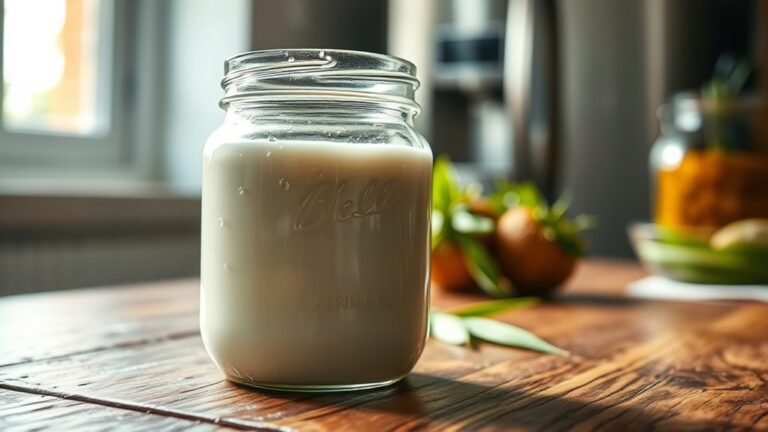
You can tell if milk is bad by using three clear indicators: smell, texture, and taste. These simple checks help you avoid drinking spoiled milk and keep your kitchen safe.
First, give the milk a good sniff—if it smells sour or off, that’s a big red flag.
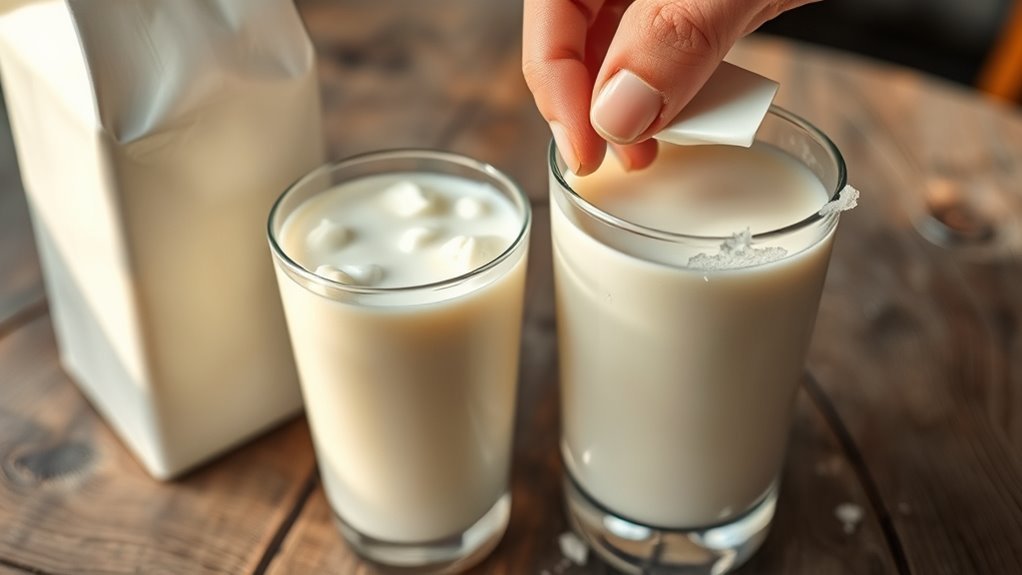
Next, look closely at the texture. Lumps, curdling, or a slimy feel mean bacteria have started to grow.
Finally, if you’re still unsure, a quick taste test will confirm it. Sour or bitter milk definitely means it’s time to toss it out.
If you notice any of these signs, it’s best to discard the milk right away. Stay tuned for more easy tips on how to handle milk safely!
Key Takeaways
- Smell the milk for sour or rancid odors, which clearly indicate spoilage.
- Check the milk’s texture for lumps, curdling, or sliminess as signs of bacterial growth.
- Taste a small amount to detect sourness or bitterness confirming that the milk is bad.
- Look for discoloration, mold, or clumped appearance as visual cues to discard the milk.
- Always verify expiration date and storage conditions to prevent consuming spoiled milk.
How to Use Smell to Detect Spoiled Milk
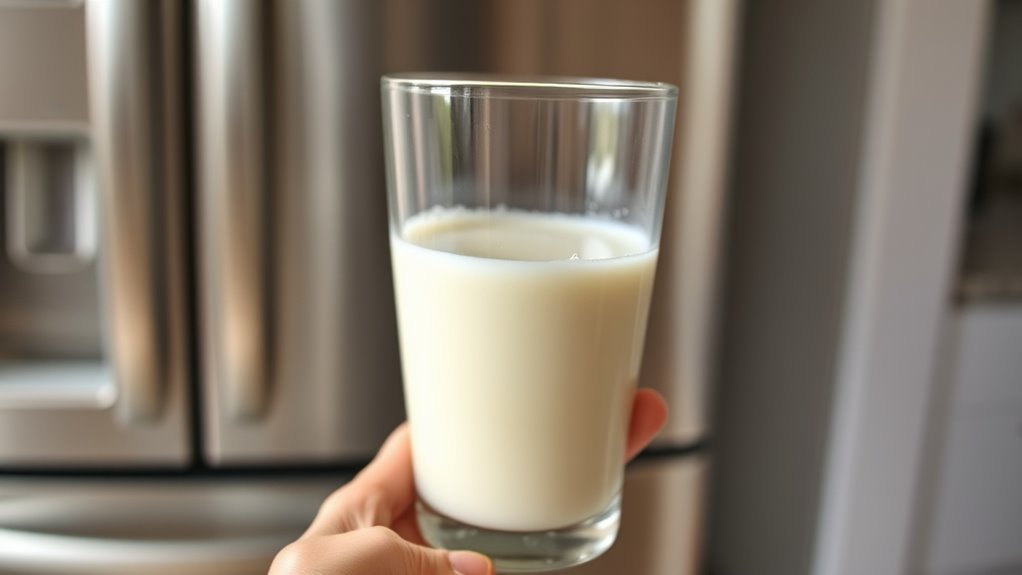
When you want to know if milk has gone bad, smelling it is one of the quickest and most reliable methods. Fresh milk usually has a mild, slightly sweet scent. So, if your milk smells sour or has an off-putting odor, that’s a strong spoilage detection signal.
To perform an accurate smell test, sniff the milk directly from a clean glass or container—don’t rely on the packaging’s scent. If you detect a rancid odor or notice the milk smells sour like spoiled yogurt, it’s a clear smell indicator that the milk is spoiled.
Even a faint sour smell can mean bacterial growth. Using your nose to detect spoiled milk is a simple, effective way to avoid consuming milk that’s gone bad. Pretty easy, right?
Texture and Taste Signs of Spoiled Milk
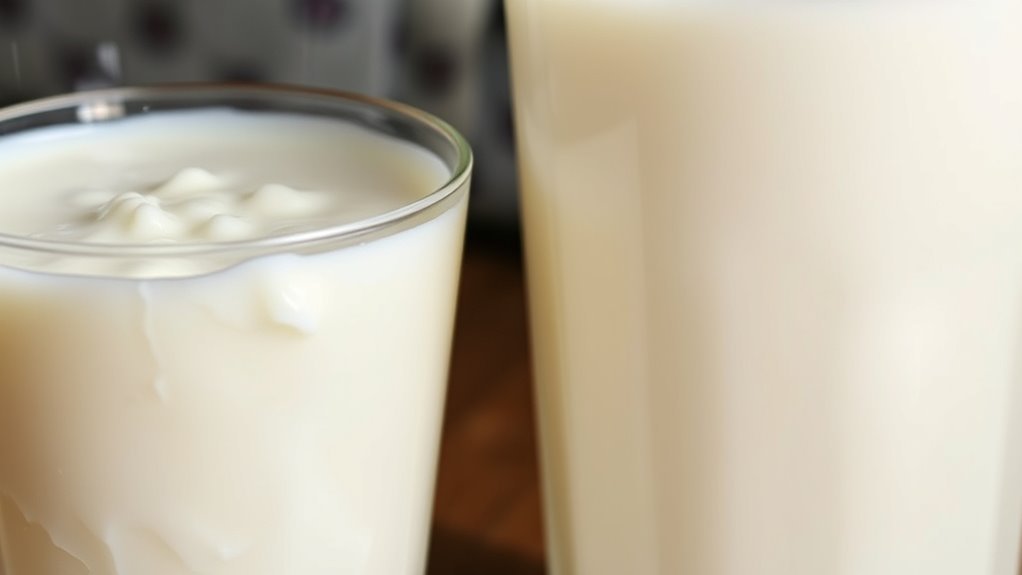
Smell gives you a quick clue about spoiled milk, but paying attention to texture and taste can confirm it’s time to toss that carton.
Spoiled milk often shows lumps or a curdled texture, signaling bacterial growth. A slimy consistency and clumping are clear signs of spoiled milk.
The off-taste, especially sour taste, confirms it’s no longer safe. Texture changes like gritty particles also indicate spoilage.
| Texture Sign | Taste Sign | What It Means |
|---|---|---|
| Lumps/Curdled | Sour taste | Bacterial activity |
| Slimy consistency | Off-taste | Milk has gone bad |
| Clumping/Gritty | Bitter flavor | Clear signs of spoiled milk |
When You Should Toss Spoiled Milk for Safety
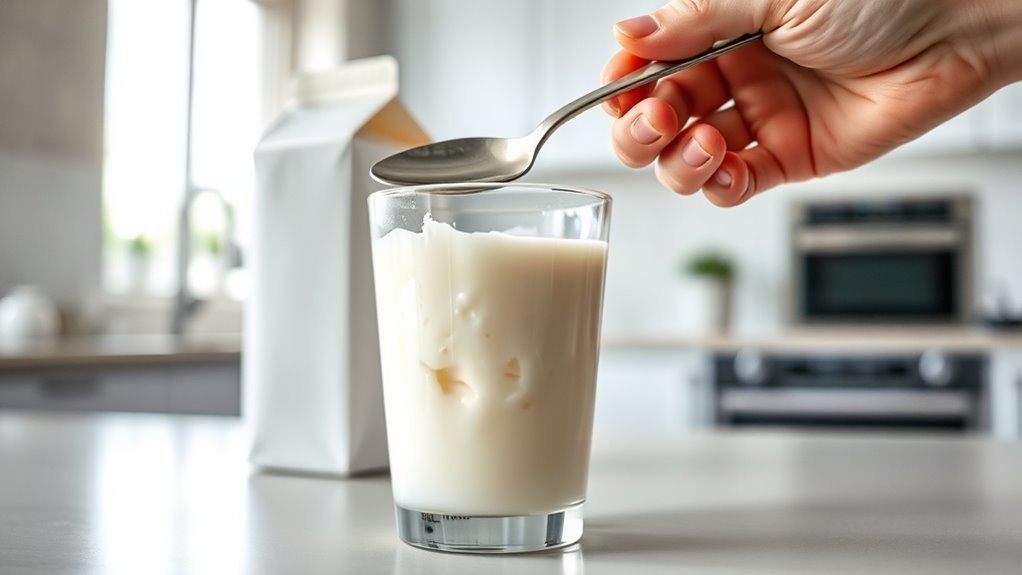
If you notice sour smells, off tastes, or visible curdling in your milk, you should discard it immediately to avoid health risks. These milk spoilage signs clearly indicate spoiled milk that’s unsafe to consume.
Sour smells, off tastes, or curdling are clear signs your milk is spoiled and unsafe to drink.
Also, watch for discoloration like yellowing or dark spots, which means the milk has gone bad. Don’t ignore any slimy or lumpy texture or the presence of mold—these are definite reasons to toss spoiled milk for safety.
Even if the milk passes the smell or taste test, check the expiration date and storage time. If it’s past the recommended date or stored too long, it’s best to discard milk to prevent illness.
When in doubt, always prioritize safety and throw out questionable milk. It’s better to be safe than sorry!
Frequently Asked Questions
How to Tell if Milk Is Slightly Spoiled?
You can tell milk’s slightly spoiled if it smells faintly sour, looks a bit lumpy or dull, and has a thin film or sediment. A small taste will reveal a mild tang without full bitterness.
What Happens if I Drink Slightly Spoiled Milk?
If you drink slightly spoiled milk, you might feel like your stomach’s running a minor marathon—nausea, bloating, or diarrhea could hit you. Don’t worry; you’ll likely recover quickly with rest and hydration, though discomfort’s real.
How Much Spoiled Milk to Get Sick?
You might get sick from just a small sip of spoiled milk, especially if bacteria like Salmonella are present. The amount varies, but kids, pregnant women, and immune-compromised people should avoid any spoiled milk altogether.
How to Tell if Milk Is Contaminated?
You’ll notice if milk’s contaminated when it smells sour, looks curdled, or shows weird colors. If it tastes off or feels slimy, don’t risk it—those signs mean harmful bacteria might be growing inside.
Conclusion
You might think milk looks fine, but a quick sniff could tell a different story. Don’t let smooth texture fool you—sometimes sourness hides in plain sight.
Trust your taste buds only after checking smell and feel, because spoiled milk isn’t always obvious. When in doubt, toss it out.
Your safety outweighs a little waste, so don’t risk it. Fresh milk means fresh peace of mind. Checking for sour smell, off taste, and curdled texture are clear indicators that milk is bad. Always rely on these simple tests to avoid consuming spoiled milk and keep your health safe.