How Long Does Breast Milk Last in the Fridge Safely
Storing breast milk safely in the fridge is essential for preserving its freshness and nutritional value. Knowing how long breast milk lasts in the fridge can help you provide the best for your baby without any worries. It’s important to understand the right temperature and storage techniques to keep the milk safe.
The placement of the milk in the fridge also matters. Avoid storing it in the door where temperatures fluctuate. Handling breast milk with clean hands and using proper containers will ensure it stays fresh longer.
By following these guidelines, you can confidently store breast milk, knowing it remains a nourishing gift for your baby. Let’s dive deeper into the best practices for fridge storage and handling.
Recommended Storage Containers for Breast Milk

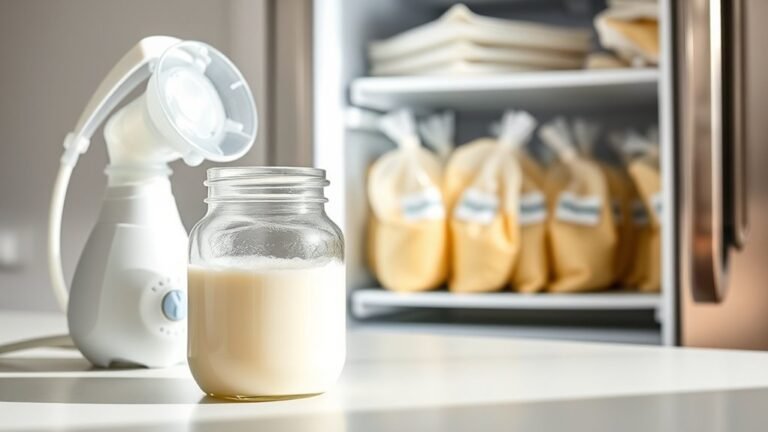
Although you have several options for storing breast milk, choosing the right container is essential to keep it fresh and safe. Opt for storage containers made of food-grade glass or BPA-free hard plastic with airtight lids to prevent contamination and preserve milk quality.
Choose food-grade glass or BPA-free plastic containers with airtight lids to keep breast milk fresh and safe.
Avoid household plastic bags and disposable liners; instead, use specially designed breast milk storage bags if preferred. Always ensure containers are thoroughly washed and sterilized before each use for contamination prevention.
Proper labeling with the date expressed, using waterproof labels or permanent markers, helps you track freshness easily.
Finally, select containers suitable for both refrigeration and freezing to maintain the milk’s nutritional value and safety.
Following these guidelines helps you store breast milk effectively, securing its quality for your baby’s health.
Optimal Refrigerator Temperature for Breast Milk Safety

Maintaining your refrigerator at or below 39°F (4°C) is essential for keeping breast milk safe and fresh. Proper temperature control slows bacterial growth and prevents milk spoilage, ensuring breast milk preservation and extending milk shelf life.
To guarantee ideal cooling, use a refrigerator thermometer and regularly check the refrigerator temperature, especially during power fluctuations. Following milk storage guidelines helps maintain storage safety for up to 4 days.
Temperatures above 39°F can compromise milk safety and reduce freshness.
| Temperature Range | Impact on Breast Milk |
|---|---|
| ≤ 39°F (≤ 4°C) | Optimal cooling, preserves nutrients |
| 40°F – 45°F (4.5°C-7°C) | Increased bacterial growth, risk of spoilage |
| > 45°F (> 7°C) | Unsafe, rapid milk spoilage |
Best Location in the Fridge to Store Breast Milk

The best place to store breast milk in your fridge is on the shelf above the vegetable drawer, where temperatures stay consistently cold. This area is typically the coldest part of your refrigerator, making it ideal for milk storage.
Always place your containers toward the back of the fridge, away from door compartments, to maintain a consistent temperature. The door compartments experience frequent temperature changes, which can compromise milk quality.
Keep your fridge temperature at or below 39°F (4°C) and use a thermometer to monitor it regularly.
Choosing the right storage location in the back of the fridge guarantees your breast milk stays fresh and safe for your baby by avoiding temperature fluctuations common in other spots.
Labeling and Portioning Expressed Breast Milk
After choosing the best spot to store your breast milk in the fridge, you’ll want to label and portion it properly to keep it organized and fresh. Start by using waterproof labels or tape with a permanent marker to mark each storage container with the date it was pumped.
If your milk is stored in a shared environment, include your child’s name to avoid mix-ups.
Portioning expressed breast milk into small batches of 2-4 ounces helps match your feeding needs and reduces waste.
Always follow the first in first out method, using the oldest milk first to ensure freshness.
Secure the labels well to prevent smudging or peeling during storage.
This simple system keeps your milk safe and ready for your baby whenever needed.
Guidelines for Combining Fresh and Stored Milk
When you combine fresh breast milk with stored milk, make sure the fresh milk has cooled below 39°F (4°C) first to keep bacteria from growing.
Always add freshly expressed breast milk to already refrigerated or thawed milk within 24 hours to store milk safely and avoid bacterial contamination.
Don’t mix warm milk with frozen milk, as improper thawing can partially thaw the frozen milk, risking contamination.
When you combine refrigerated and frozen milk, thaw milk properly before mixing.
Gently swirl the combined milk to mix milk layers without shaking vigorously, which helps maintain milk quality.
Follow refrigerated breast milk guidelines by using the mixed milk within the safety window, typically 24 hours, to ensure it stays safe and nutritious for your baby.
Maximum Duration for Refrigerated Breast Milk Storage
Although breast milk can be refrigerated to keep it fresh, you should store it at 39°F (4°C) or below and use it within 4 days to guarantee safety and nutrient quality.
The maximum duration for refrigerated breast milk storage is 4 days; keeping it longer increases the risk of bacteria growth and spoilage.
To guarantee safe storage, regularly check your refrigerator’s temperature with a thermometer, making sure it stays consistently at or below the recommended level.
Proper labeling with the date expressed is essential for managing the milk’s freshness and preventing accidental use past the safe duration.
Proper Thawing and Warming Techniques
Because improper thawing and warming can degrade breast milk’s quality and safety, you should handle it carefully to preserve its nutrients.
Thawing breast milk is safest when done in the refrigerator overnight or under lukewarm warm water; avoid thawing at room temperature or in hot water.
Thaw breast milk safely by refrigerating overnight or using lukewarm water; avoid room temperature or hot water thawing.
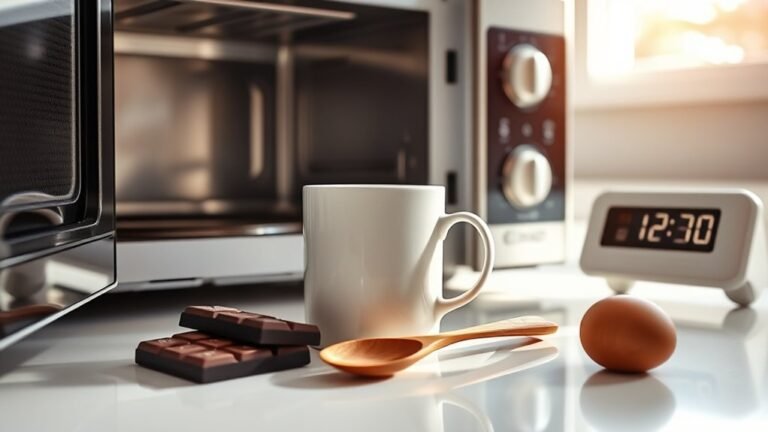
When it’s time to warm breast milk, place the bottle in warm water or run warm water over it, but avoid microwave use to prevent uneven heating.
Gently swirl the milk to mix any milk separation without vigorous shaking.
Always perform temperature testing by placing a few drops on your wrist to ensure the milk is warm, not hot.
Use thawed milk within 24 hours, and never refreeze it after thawing.
These safe warming techniques keep your baby’s milk nutritious and safe.
Handling Leftover and Partially Used Breast Milk
After warming breast milk, you may find some is left over or only partially used. For milk safety, use leftover breast milk within 2 hours after feeding; discard any remaining milk after this milk discard time to prevent bacterial growth.
If you store partially used milk in the refrigerator, make sure to keep it in a clean, airtight container and use within 24 hours. Always practice proper milk labeling by noting the date and time of the last feeding on the container.
Avoid reheating breast milk more than once, and never leave leftover milk at room temperature for over 2 hours, as it should be discarded. Following these guidelines helps maintain milk freshness and ensures your baby’s health.
Frequently Asked Questions
Is Breast Milk Ok After 5 Days in the Fridge?
No, you shouldn’t use breast milk stored in the fridge for more than 4 days. After 5 days, the risk of bacteria grows, so it’s safer to discard it to protect your baby’s health.
What Is the 6 6 6 Rule for Breast Milk?
Think of the 6-6-6 rule as your breast milk’s secret timeline: you can keep it 6 hours at room temperature, 6 days in the fridge, and 6 months frozen, ensuring your baby drinks fresh, safe nourishment every time.
What Is the 3-3-3 Rule for Breast Milk?
The 3-3-3 rule means you can keep freshly expressed breast milk for 3 hours at room temperature, 3 days in the fridge, and 3 months in the freezer.
Following it helps keep milk safe and nutritious.
What Is the 5 5 5 Rule for Breastmilk?
Think of the 5-5-5 rule as your milk’s safety compass: use it within 5 hours at room temp, 5 days in the fridge, or freeze it for up to 5 months to keep your baby’s nourishment fresh and safe.
Conclusion
To keep your precious breast milk pure and perfect, place it properly in your fridge—preferably on a shelf, away from the door, where cold conditions consistently cling. Label each little bottle with the date, and limit leftovers to small, safe servings.
By maintaining the milk’s magical freshness at or below 39°F, you’ll safeguard your baby’s health and happiness. Ensuring every drop delivers delicious, dependable nourishment day after day is key.
In conclusion, understanding how long breast milk lasts in the fridge safely helps you provide the best for your baby. Proper storage and timely usage keep breast milk fresh, nutritious, and safe for your little one.