How Long Is Milk Good After Opening? Shelf Life & Storage Tips
You might think milk’s freshness after opening is a simple countdown, but it’s more like a careful dance with time and temperature. How long milk stays good once you crack open that carton isn’t set in stone—it depends on several factors you might not expect.
Before you pour your next glass, understanding these details about milk’s shelf life can save you from unpleasant surprises and keep your kitchen running smoothly. Proper storage and awareness of milk’s condition play key roles in ensuring its safety and taste.
Typical Shelf Life of Opened Milk

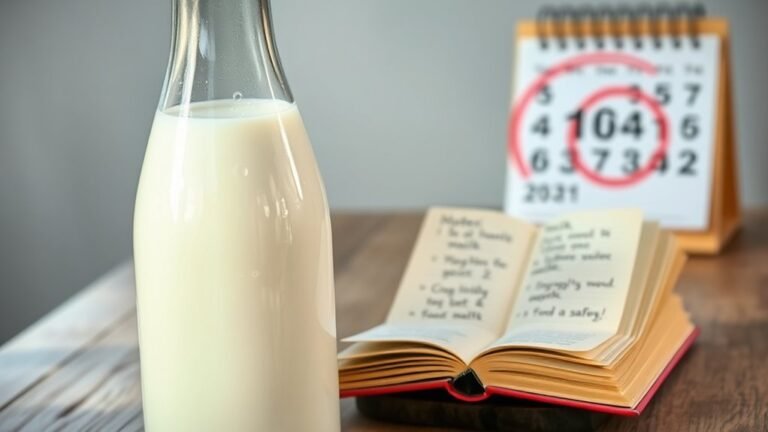
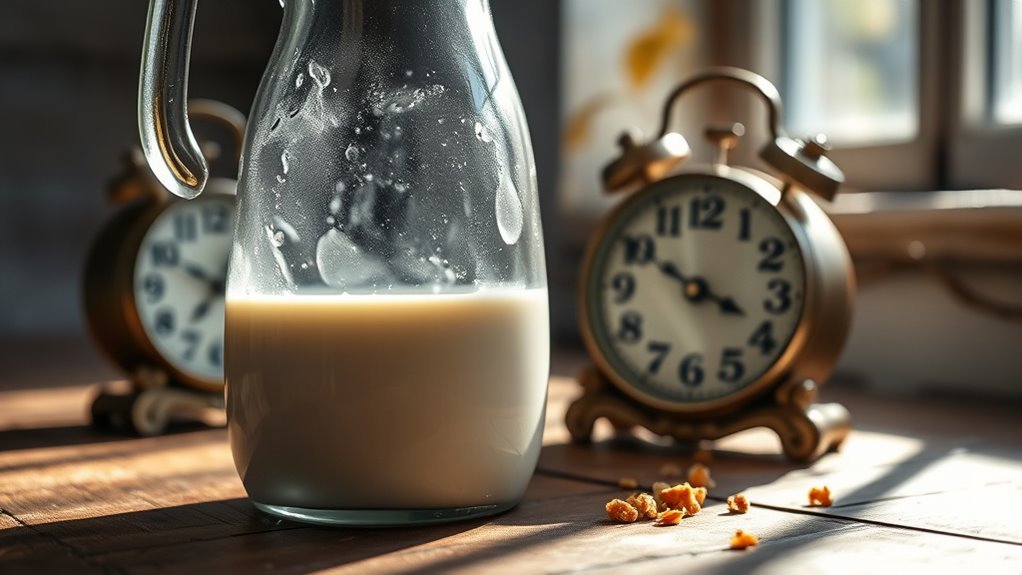
Opened milk usually stays fresh for about 4 to 7 days when you store it properly in the fridge. The typical shelf life of opened milk depends largely on how well you maintain its storage conditions.
The U.S. Food and Drug Administration recommends using opened milk within one week to guarantee maximum freshness. During this time, you should watch for signs of spoilage like a sour smell, curdling, or changes in texture and appearance.
These signs indicate that the milk has gone bad and isn’t safe to consume. To extend the shelf life, keep the milk tightly sealed and chilled at the right temperature.
Always check for off-odors or flavors before using milk that’s been open for several days to avoid spoilage risks.
Factors Influencing Milk Freshness After Opening

Because milk’s freshness depends on more than just the date on the carton, you need to take into account several factors after opening it. How you handle opened milk directly affects how long it stays fresh and safe.
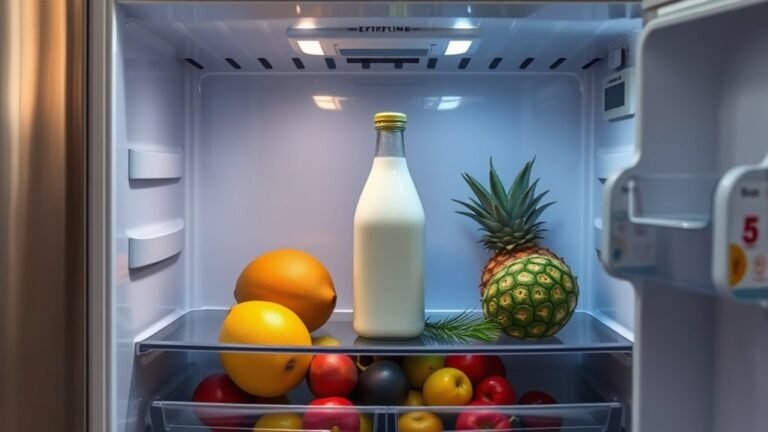
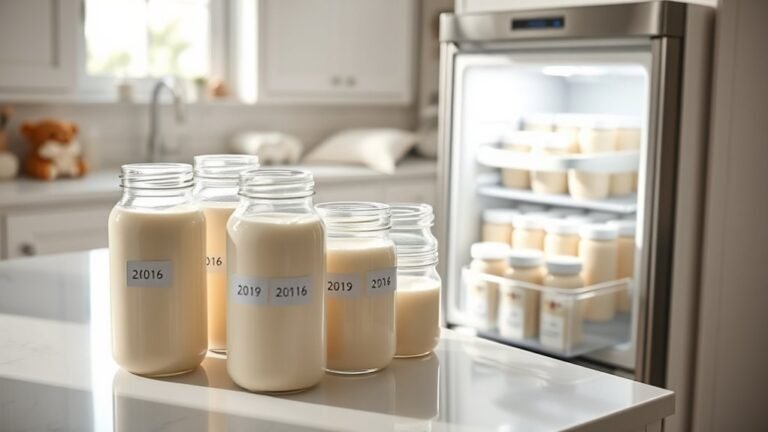
Proper refrigeration between 38° to 40°F is essential to slow spoilage and maintain quality. Storing milk on the fridge door can expose it to temperature changes, shortening its shelf life. You should also keep the container tightly closed to prevent contamination and odor absorption.
Consider these key points to preserve milk freshness after opening:
- Store opened milk in the coldest part of the fridge, not the door
- Keep the container sealed tightly
- Use clean utensils to avoid introducing bacteria
- Consume within 4-7 days to minimize spoilage risks
How to Identify Spoiled Milk

Even with proper storage, milk can still spoil, so knowing how to spot signs of spoilage helps you avoid consuming unsafe dairy. First, always check the expiration date; if it’s past, your milk is likely no longer good.
Next, give it a sniff. Spoiled milk often has a distinct sour smell that’s hard to miss.
Look at the texture too; curdling, lumps, or a slimy surface all signal that the milk has gone bad.
If you notice any of these signs—off smell, odd texture, or if the milk tastes bitter or soapy—don’t risk it. Discarding spoiled milk protects you from potential foodborne illness and keeps your kitchen safe.
Trust your senses to keep your milk fresh and safe to drink.
Best Practices for Storing Opened Milk
When you finish pouring a glass, make sure to seal the milk container tightly to keep out contaminants and prevent it from absorbing other fridge odors. Proper storage practices are key to keeping your opened milk fresh and safe.
Always store it in the main body of the fridge, where the temperature stays steady between 38° to 40°F. Avoid leaving milk out for more than two hours, as this encourages bacterial growth leading to spoiled milk.
Remember to check your milk for off smells or curdling before use, regardless of how long it’s been stored.
Follow these tips for effective storage:
- Keep the container tightly closed
- Store milk away from the fridge door
- Refrigerate immediately after use
- Inspect milk daily for signs of spoilage
Extending Milk’s Usability Beyond the Refrigerator
If you want to extend your milk’s usability beyond just refrigeration, there are effective methods you can try to keep it fresh longer.
Once opened milk reaches the end of its typical refrigerator life of 4 to 7 days, consider freezing it.
Freezing preserves milk for 1 to 3 months, though texture changes can occur after thawing. Always seal the container tightly to prevent contamination and odor absorption. Store milk in the main fridge body for a consistent temperature, not the door.
Beyond these steps, practice regular spoilage detection by checking for sour smells or curdling before use. These habits help you safely extend milk’s usability without compromising quality or safety beyond the usual refrigeration timeframe.

Frequently Asked Questions
Do You Have to Drink Milk 7 Days After Opening?
You don’t have to drink milk exactly within 7 days, but it’s best to finish it by then for freshness and safety.
Always check for smell or taste before drinking milk past that timeframe.
How Can I Tell if My Milk Has Gone Bad?
By coincidence, your nose and eyes are your best guides. You’ll notice sour smells, lumps, or discoloration if your milk’s gone bad.
If it looks off or tastes bitter, don’t risk it; toss it immediately.
Can I Drink 20 Day Old Milk?
You shouldn’t drink 20-day-old milk because it’s likely spoiled and could make you sick, even if it looks fine. Always discard milk after about a week to stay safe and avoid health risks.
How Long Is Milk Good After Opening Reddit?
You’ll find most Redditors say milk stays good about 4-7 days after opening if refrigerated properly. Always check for sour smell or curdling before drinking, and toss it if it’s left out too long.
Conclusion
When it comes to opened milk, remember that “a stitch in time saves nine.” You’ve got about 4 to 7 days to enjoy it if you keep it sealed and chilled between 38° to 40°F, away from the fridge door.
Always trust your senses—if it smells sour or looks curdled, don’t take the risk. By storing it properly and checking regularly, you’ll keep your milk fresh and safe to drink.
In conclusion, knowing how long milk is good after opening is essential for avoiding waste and ensuring safety. Proper storage and timely consumption are key to maintaining milk quality.