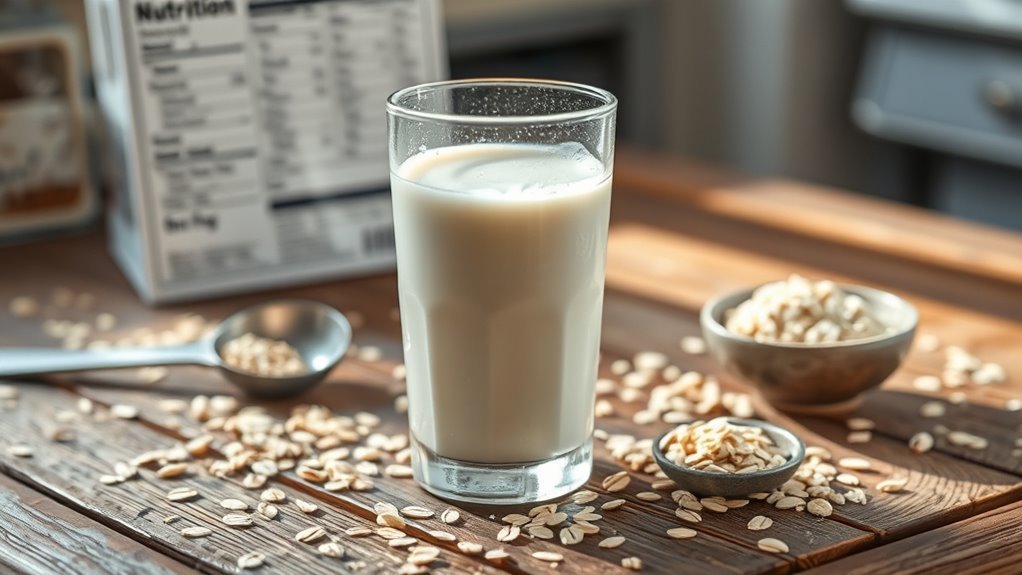
Why Can Oat Milk Be Bad for You? Pros, Cons, and Health Facts
Oat milk might seem like a gentle breeze for your diet, but it can stir up unexpected storms within your body. While popular as a plant-based alternative, oat milk can trigger allergic reactions or cause uncomfortable digestive issues.
Some varieties also pack in hidden sugars that could affect your health in ways you didn’t expect. Before you pour another glass, it’s worth understanding the full picture behind its risks and limitations.
Allergic Reactions Linked to Oat Milk

Although oat milk is generally safe for most people, you should be aware that rare oat allergies can cause skin irritation, itchiness, or respiratory problems after consumption.
Oat milk is safe for most, but rare allergies may cause skin irritation or respiratory issues.
If you have oat milk sensitivity, these allergic reactions might include respiratory issues or skin irritation.
In extreme cases, an oat allergy can trigger life-threatening anaphylaxis, demanding immediate medical attention.
Keep in mind that additives like xanthan gum or preservatives in oat milk could also cause allergic reactions.
While oats aren’t among the top food allergens, cross-reactivity can affect sensitive individuals.
If you have known food allergies, it’s wise to check labels carefully and consider allergy testing before regularly consuming oat milk.
Being cautious helps you avoid unexpected allergic reactions linked to oat milk.
Digestive Issues and Bloating Concerns

Because oat milk contains high levels of dietary fiber, it can cause bloating and indigestion, especially if your digestive system is sensitive. The fiber in oats promotes gut health but may lead to gas, cramping, and gastrointestinal discomfort when consumed excessively.
If you have gluten sensitivity or celiac disease, be cautious: oats might trigger digestive issues due to avenin or cross-contamination with gluten during processing.
Additionally, additives like emulsifiers in some oat milk products can disrupt your gut microbiome, worsening bloating and other digestive problems.
To avoid unpleasant symptoms, monitor your intake, read ingredient labels carefully, and choose oat milk brands with minimal additives. Being mindful of these factors can help you enjoy oat milk without triggering digestive issues or bloating.
Impact of Added Sugars on Health

While oat milk can cause digestive issues for some, added sugars present a different set of health concerns you should watch out for. Many brands pack flavored oat milk with high sugar content, increasing its glycemic load and your risk for insulin resistance.
Consuming too many added sugars can spike blood sugar levels and contribute to metabolic conditions like type 2 diabetes. Over time, this also raises your chances of cardiovascular disease and chronic inflammation.
To protect yourself from these health risks, always check the nutritional label before buying oat milk.
The American Heart Association recommends limiting added sugars to just 6% of your daily calories, a limit easily exceeded by sweetened versions.
Choosing unsweetened oat milk helps you avoid these dangers and maintain better overall health.
High Carbohydrate Content and Blood Sugar Spikes
Since oat milk contains 15 to 20 grams of carbohydrates per cup, mostly from starches, it can cause your blood sugar to spike quickly.
The starches in oats convert rapidly into simple sugars, leading to noticeable blood sugar spikes.
With a glycemic index ranging from 49 to 69, oat milk has a moderate sugar impact on your blood glucose levels.
If you drink oat milk without pairing it with fiber and protein, your post-meal blood sugar can rise even higher.
Consistently experiencing these blood sugar spikes strains your body’s insulin response, increasing the risk of insulin resistance.
This high carbohydrate content and rapid carbohydrate conversion make oat milk a less ideal choice if you’re monitoring blood sugar or trying to avoid insulin-related health issues.
Risks of Gluten and Soy Contamination
If you have gluten or soy sensitivities, you need to be cautious about oat milk contamination. Even though oats are naturally gluten-free, gluten contamination can occur during harvesting, storage, or processing.
Cross-contact with gluten or soy is common in facilities that handle multiple allergens, increasing the allergen risk for sensitive individuals, including those with celiac disease. This means that even oat milk labeled gluten-free or soy-free might contain trace amounts of these allergens.
To safeguard your health, you should always check labeling accuracy and look for allergen-free certification. Choosing oat milk with verified gluten-free oat milk or soy-free oat milk labels ensures better food safety and reduces the chance of adverse reactions caused by gluten or soy contamination.
Effects of Common Additives in Oat Milk
Because oat milk often contains various additives like emulsifiers, preservatives, and oils, you might experience digestive discomfort or inflammation if you’re sensitive to these ingredients.
Emulsifiers such as xanthan gum and guar gum can disrupt your gut microbiome, leading to digestive issues like bloating or indigestion.
Emulsifiers like xanthan gum and guar gum may disrupt your gut microbiome, causing bloating and indigestion.
Preservatives and stabilizers help extend shelf life and improve texture but may trigger inflammation or allergic reactions in some people.
Vegetable oils, including palm and sunflower oil, can promote inflammation and negatively affect heart health when consumed in excess.
Thickening agents also interfere with gut bacteria balance, worsening digestive problems.
Additionally, added sugars in flavored oat milks increase the risk of metabolic issues and inflammation when you consume them frequently.
Being mindful of these additives can help you avoid unwanted side effects.
Nutritional Limitations for Infants and Young Children
Why should you be cautious about giving oat milk to infants and young children? Oat milk lacks key nutrients essential for growth and development in infants, especially protein, calcium, and vitamin D. Relying on oat milk may cause nutritional deficiencies, impacting your child’s health.
Additionally, its high sugar content can disrupt balanced nutrition and harm dental health.
Consider these limitations:
- Insufficient protein and healthy fats critical for infants’ growth
- Low levels of calcium and vitamin D needed for bone development
- Added sugars increasing risk of nutritional imbalances
- Inappropriate additives for infants’ sensitive digestive systems
For young children, oat milk can’t replace breast milk or formula without risking nutrient gaps. Always prioritize complete sources of nutrients to support proper development and growth.

Frequently Asked Questions
What Are the Downsides of Oat Milk?
Oat milk can spike your blood sugar, especially if you drink it alone. It’s low in protein and fat, has added sugars and additives, which might harm gut health and increase insulin resistance over time.
Is Oatmilk Inflammatory?
Yes, oat milk can be inflammatory if it contains additives, refined oils, or high sugar. You might experience inflammation, especially if you’re sensitive or consume it excessively.
Choose pure, low-sugar options to reduce this risk.
Why Are People Stopping Drinking Oat Milk?
Imagine you’ve noticed your blood sugar spikes after drinking oat milk. That’s why many people are stopping; it’s high in carbs and sugars. Plus, additives might upset your gut or cause allergies, making it less ideal for you.
Why Is Oat Milk Bad for Gut Health?
Oat milk can upset your gut because its additives might disrupt your microbiota and harm your intestinal barrier.
Plus, its high fiber and avenin protein may cause bloating or sensitivities, especially if you’re prone to digestive issues.
Conclusion
Think of oat milk like a seemingly gentle wave—refreshing but with hidden currents beneath. While it might seem like a healthy choice, those currents—such as allergies, digestive troubles, added sugars, and contaminants—can pull you under unexpectedly.
Before you plunge in, be mindful of how your body reacts. Listening closely to these signals helps you navigate safely, ensuring oat milk supports your health rather than disrupting it.
Choose wisely, and stay balanced in your wellness journey. Understanding why oat milk can be bad for you is key to making informed decisions about your diet and overall health.