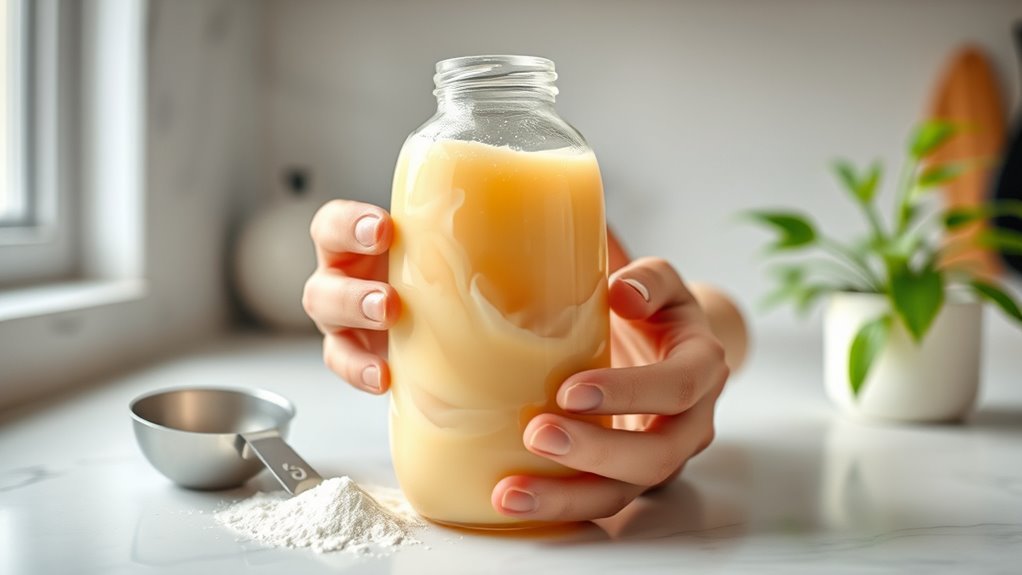
How You Can Safely Mix Formula With Breast Milk
Combining formula with breast milk can be a practical solution for many parents looking to provide the best nutrition for their baby. However, mixing formula with breast milk safely requires more than just blending the two together.
If you don’t handle it properly, you risk exposing your baby to harmful bacteria or reducing the nutritional benefits of breast milk. Understanding the right steps to prepare and store this combination can make all the difference.
By following proper guidelines, you can keep your little one healthy and satisfied while benefiting from both formula and breast milk.
Why Families Choose to Combine Breast Milk and Formula

Why do many families decide to combine breast milk and formula? You might choose combo feeding to make certain your baby gets enough infant nutrition, especially if you face low milk supply.
Using both breast milk and formula provides feeding flexibility, making it easier to manage feeding schedules around work or travel. It also allows other caregivers to get involved, promoting bonding and shared responsibilities.
With breastfeeding support and safe mixing practices, you can confidently prepare formula alongside breast milk, making sure your baby benefits from both.
This approach introduces your infant to different tastes while maintaining essential nutrients.
Step-by-Step Guide to Preparing Formula and Breast Milk

Before you combine formula and breast milk, make sure you wash your hands thoroughly and sterilize all bottles and utensils to keep everything hygienic.
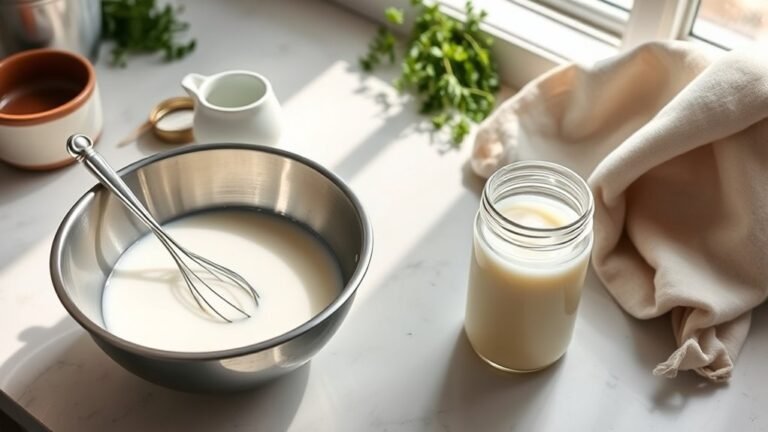
Start formula preparation by following the manufacturer’s instructions, using safe, cooled water to ensure water safety. Prepare the formula separately, then add expressed, cooled breast milk for breast milk mixing.
Use clean bottles throughout to maintain safe feeding practices. Mix the combination feeding bottle just before feeding to preserve freshness.
After feeding, discard any leftover milk within one hour to prevent bacterial growth. For proper storage, label and refrigerate or freeze any unused breast milk or formula following feeding guidelines.
Best Practices for Mixing and Feeding Combo Bottles

When you mix formula and breast milk, always prepare the formula separately according to the instructions before adding the expressed breast milk. This guarantees accurate mixing and maintains safety during feeding.
Use only sterilized feeding bottles and utensils throughout preparation to prevent contamination. Follow these best practices for mixing and feeding combo bottles:
Prepare formula precisely, then add pumped breast milk.
Use sterilized bottles and nipples for every feeding.
Offer mixed bottles within one hour of preparation.
Discard any leftover milk after feeding to avoid bacterial growth.
Proper Storage and Handling of Mixed Milk and Formula
Although mixing formula and breast milk requires careful preparation, proper storage and handling are just as essential to keep your baby’s feeding safe. Always store mixed milk and formula in sterilized containers that are airtight to prevent contamination.
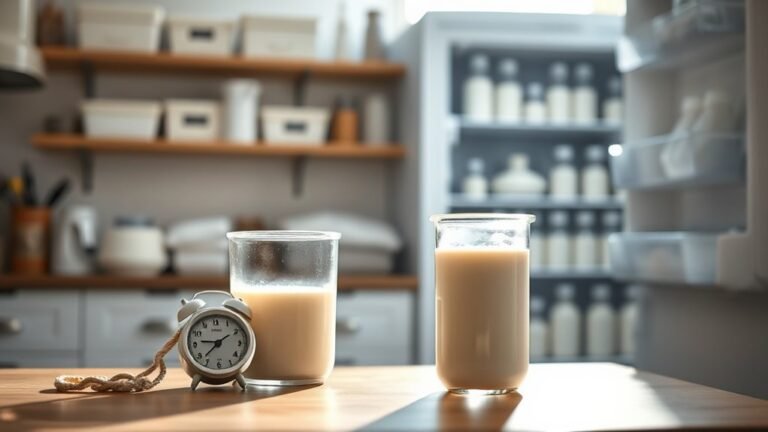
Promptly place bottles in the refrigerator at 39°F (4°C) or below, following refrigeration guidelines to guarantee freshness. Use formula within 2 hours at room temperature; any leftover discard is critical to avoid bacterial growth.
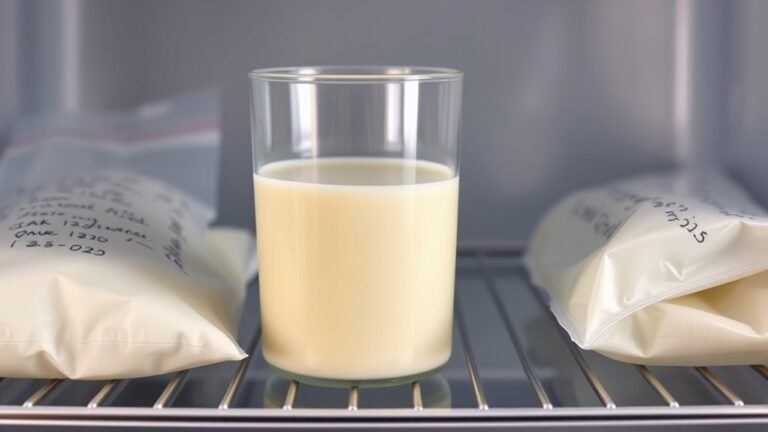
For longer storage duration, you can freeze formula at 0°F (-18°C) or below for up to 12 months. Remember to practice proper sanitation by thoroughly cleaning bottles, nipples, and utensils after each use.
Avoid preparing large batches at once; instead, prepare and store individual bottles separately to maintain safety and quality during formula preparation and feeding.
Managing Baby’s Adjustment to Combination Feeding
Since your baby is used to breast milk, introducing formula gradually by mixing small amounts with breast milk helps them adjust to the new taste and texture more easily. Managing baby’s adjustment to combination feeding takes patience and attention to their cues.
To support feeding adjustment and baby acceptance, try these tips:
- Offer breast milk and formula when your baby is calm and hungry to encourage bottle feeding.
- Use slow-flow nipples to mimic breastfeeding and reduce digestion discomfort.
- Monitor digestion by watching for changes in stool, gas, or fussiness; minor issues are normal but persistent ones may need a healthcare consult.
- Involve a familiar caregiver during formula mixing and feedings to provide caregiver support and ease the feeding routine transition.
Gradual combination feeding helps your baby adapt smoothly to new nipple flow and tastes.

Frequently Asked Questions
How to Properly Mix Formula and Breastmilk?
You should prepare formula separately, then gently add cooled, expressed breast milk to it. Always sterilize bottles and mix just before feeding.
Discard leftovers after one hour to keep your baby safe and healthy.
Is It Safe to Add Formula Powder to Breast Milk?
Yes, you can safely add formula powder to breast milk if you prepare the formula properly with sterilized utensils and mix it gently.
Always measure accurately and consult your healthcare provider for your baby’s specific needs.
What Is the 3-3-3 Rule for Breast Milk?
You can store breast milk safely using the 3-3-3 rule: keep it at room temperature up to 3 hours, in the fridge for 3 days, and frozen for 3 months to preserve its quality and safety.
Is It Okay to Mix Breast and Formula?
Yes, you can mix breast milk and formula safely. Just prepare formula separately, then add breast milk, store properly, and feed promptly.
Always follow guidelines and check with your healthcare provider to meet your baby’s needs.
Conclusion
So, you’ve mastered the art of mixing breast milk and formula—who knew it wasn’t just a simple splash-together job? By washing your hands, sterilizing everything, and following the steps carefully, you’re not just mixing bottles; you’re mixing love with science.
Just remember, no matter how perfect your combo, leftovers don’t get a second chance. Because nothing says “parenting win” like tossing out milk you just made—safely, of course!
When it comes to how you can safely mix formula with breast milk, always prioritize cleanliness and proper storage. This ensures your baby gets the best nutrition without any risk.