How Much Protein Is in a Cup of Milk?
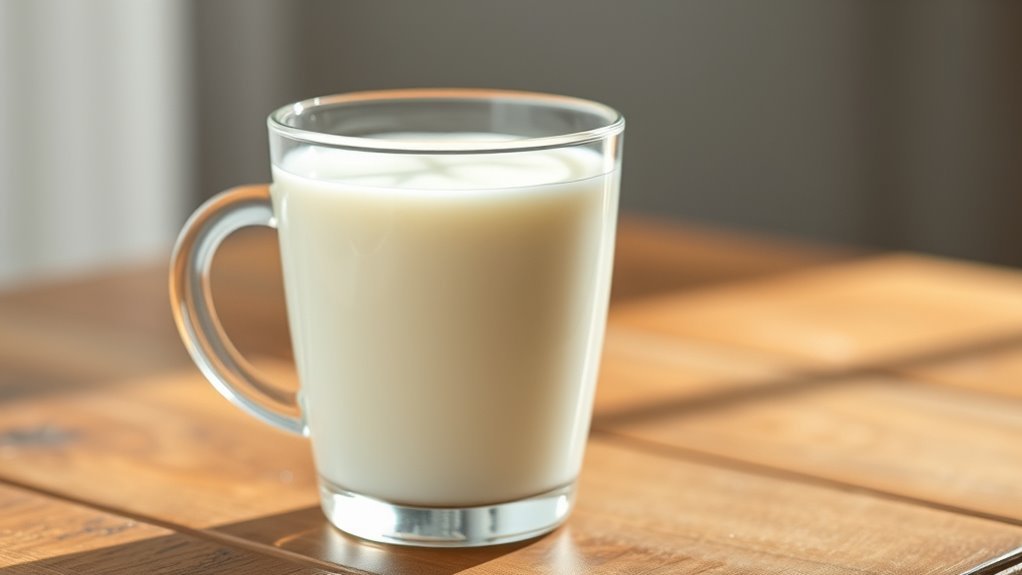
You get about 8 grams of high-quality protein in a cup of milk, whether it’s whole, skim, or reduced-fat. This makes milk a great choice if you’re looking to increase your protein intake in a simple and tasty way.
The protein in milk comes from two sources: casein and whey. These work together to support muscle repair and recovery, which is especially helpful after a workout.
Whey protein digests quickly, giving your muscles fast nourishment right after exercise. On the other hand, casein releases amino acids slowly during rest, helping with muscle repair over time.
So, milk isn’t just a refreshing drink—it’s also a smart way to help your muscles recover and stay strong. There’s more to learn about how these milk proteins benefit your muscles, but this gives you a great starting point!
Key Takeaways
- One cup of milk contains about 8 grams of high-quality protein. Protein content is similar across all dairy milk varieties, regardless of fat level.
- Ultra-filtered milk, such as Fairlife®, provides up to 13 grams of protein per cup.
- Milk protein includes both casein and whey, offering complete essential amino acids.
- Milk is a convenient and reliable source to boost daily protein intake. It’s an easy way to add more protein to your diet.
How Much Milk Protein Is in a Cup?

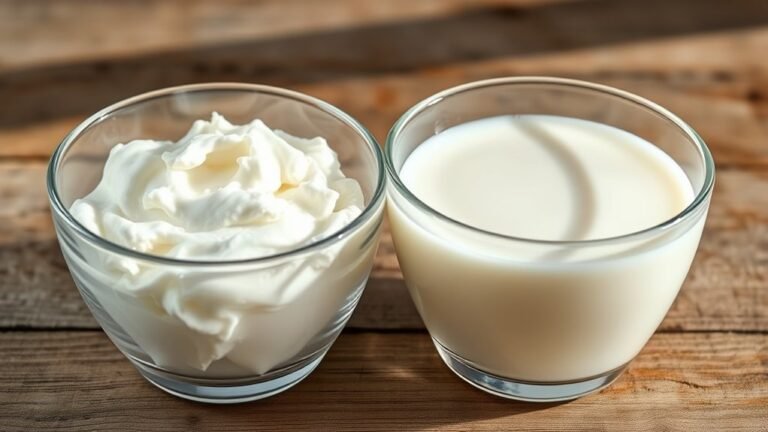
One cup of milk packs about 8 grams of high-quality protein, making it an easy way for you to boost your daily intake. Regardless of fat content, all dairy milk varieties provide roughly the same protein amount per serving.
This protein includes both casein and whey, offering you a complete set of essential amino acids your body needs. If you want even more protein, ultra-filtered milk like Fairlife® can deliver up to 13 grams per cup due to its concentrated nutritional value.
Whether you drink milk on its own or add it to recipes, each cup serves as a reliable source of protein to help meet your daily requirements efficiently and deliciously.
Why Milk Protein Is So Good for You: Casein, Whey, and Benefits
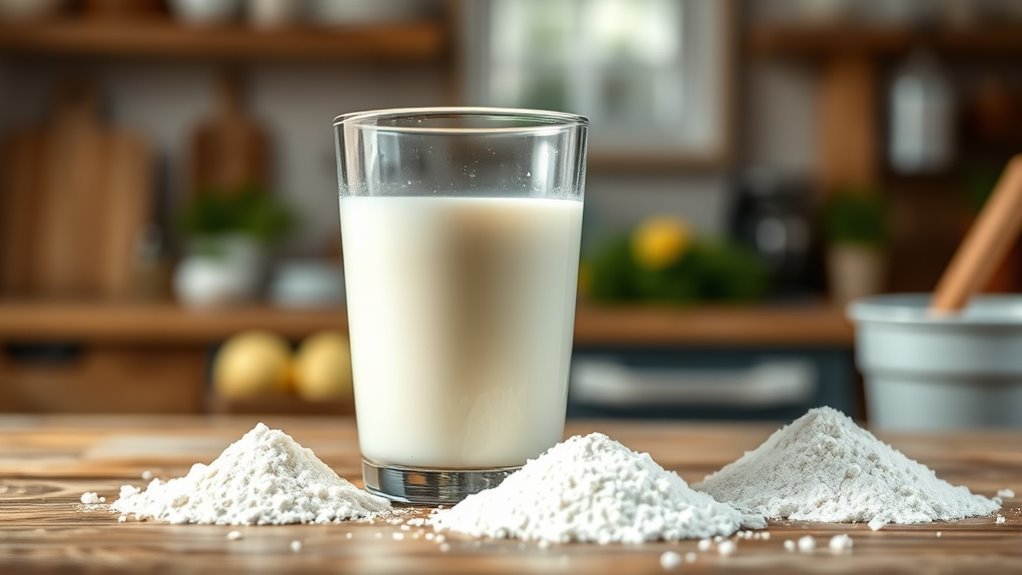
Because milk contains both casein and whey proteins, it offers unique benefits that support your muscle health and recovery. These two high-quality proteins work together to deliver essential nutrients and amino acids your body needs.
Milk’s casein and whey proteins uniquely support muscle health by providing essential nutrients and amino acids.
Here’s why milk protein is so beneficial for you:
- Casein digests slowly, providing a steady release of amino acids that aid muscle repair, especially during rest.
- Whey digests quickly and is rich in leucine, promoting rapid muscle recovery right after exercise.
- Both are complete proteins, meaning they supply all the essential amino acids your muscles need to function at their best.
- Plus, their high bioavailability ensures your body absorbs and uses them efficiently.
Frequently Asked Questions
Is 1 Cup of Milk Enough Protein?
One cup of milk isn’t enough protein to meet your daily needs, especially if you’re active. You’ll want to combine it with other protein sources throughout the day to make sure you get enough overall.
What Are Some Surprising High Protein Foods?
Greek yogurt, canned tuna, and edamame pack protein punches you might not expect. Quinoa and eggs also deliver solid amounts, proving that protein hides deliciously in many everyday foods you might overlook.
How Much Protein Is in 2% Milk 1 Cup?
A cup of 2% milk has about 8 grams of protein. You’ll get high-quality protein with complete amino acids, which helps your muscles repair and supports your overall health every day.
Which Milk Is Highest in Protein?
If muscle-building were a race, ultra-filtered milk would be the rocket ship, packing up to 13 grams of protein per cup. For even more, grab high-protein shakes like Core Power—they blast protein through the roof!
Conclusion
When you pour a cup of milk, imagine nourishing your body with about 8 grams of protein—like a gentle hug of strength and comfort. The rich blend of casein and whey wraps your muscles in care, fueling your day and recovery.
So next time you sip that creamy goodness, know you’re giving yourself more than taste—you’re embracing health, energy, and the simple power to keep moving forward with confidence.
Milk protein is a great source of essential nutrients that help support muscle growth and repair. Whether you’re starting your morning or winding down after a workout, that cup of milk provides a natural boost of protein to keep you energized.
Embracing the protein in milk means choosing a tasty, wholesome way to fuel your body’s needs every day.