Is Goat Milk Cheese Good for You: A Guide to Its Health Benefits
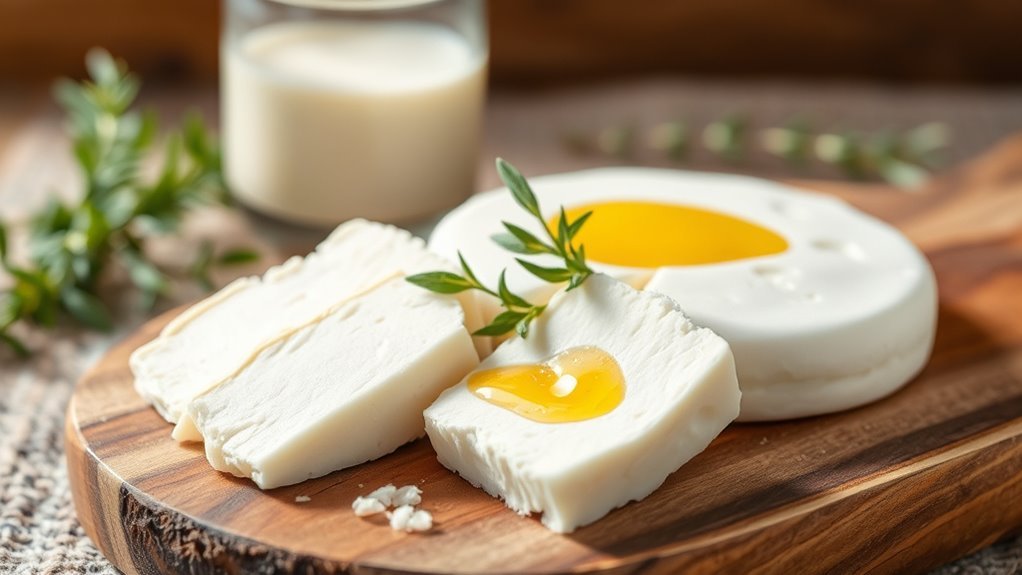
Goat milk cheese is a nutrient-rich choice that supports your health in many ways. It offers calcium, high-quality protein, and beneficial fats that boost your energy and keep you full. If you’re looking for a tasty cheese that’s also good for you, this might be the one to try.
Its lower lactose and A2 protein make it easier on your digestion, which is great news for those with sensitive stomachs. Plus, probiotics in goat milk cheese promote a healthy gut and immune system. These little helpers work behind the scenes to keep you feeling your best.
On top of that, the minerals in goat milk cheese help maintain strong bones and reduce inflammation. It’s a smart addition to your diet if you want to support overall wellness. Keep exploring to discover how it can enhance your health even more.
Key Takeaways
- Goat cheese is rich in calcium and high-quality protein, supporting bone health and muscle maintenance. It’s a great way to keep your bones strong and muscles in good shape.
- Plus, it contains A2 beta-casein and has lower lactose, which means it’s easier to digest than cow’s milk cheese. So, if you have trouble with regular cheese, goat cheese might be a better option.
- There are also beneficial probiotics in goat cheese that promote gut health and help strengthen your immune system. That’s a win-win for your digestion and overall health.
- The medium-chain fatty acids in goat cheese provide quick energy and can aid in weight management. It’s like a little boost for your body when you need it.
- And don’t forget, its anti-inflammatory minerals and enzymes support overall health and help reduce inflammation. All in all, goat cheese packs quite a nutritious punch!
What Nutrients Make Goat Cheese a Healthy Choice
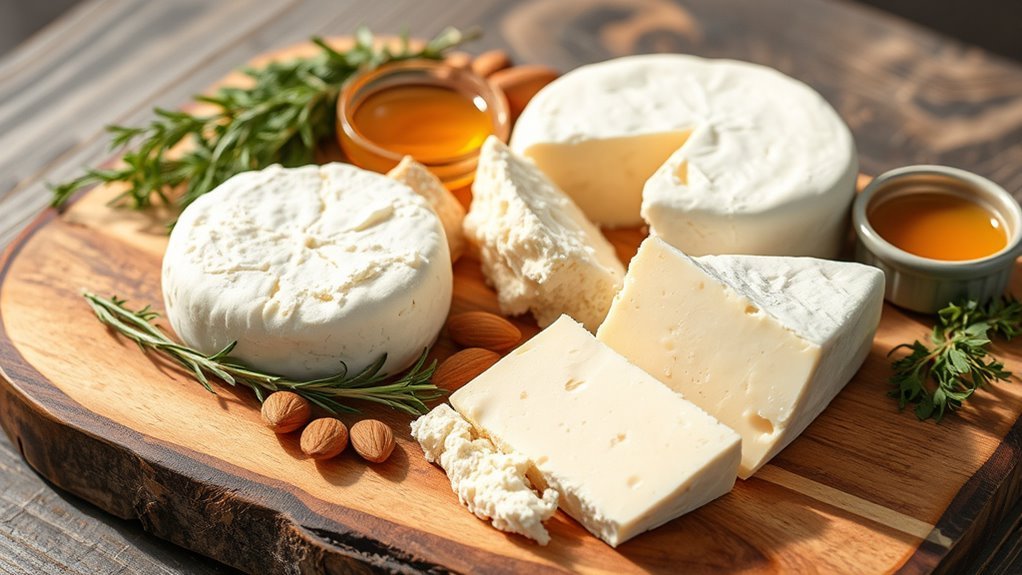
Because goat cheese contains a unique blend of nutrients, it makes a healthy addition to your diet. Goat cheese offers calcium, providing about 8% of your daily needs per ounce, essential for strong bones.
Goat cheese provides a unique nutrient blend, including calcium for strong bones and overall health.
You’ll also get high-quality protein and important vitamins like B2, which support your overall health. Its beneficial fats include medium-chain fatty acids such as capric and caprylic acids that help maintain satiety and boost metabolism.
Plus, goat cheese has a lower lactose level than cow’s milk cheese, making it easier on your digestive system. The mineral content, including phosphorus, copper, and selenium, further supports immune function and cellular health.
With all these nutrients, goat cheese stands out as a healthy choice to include in your meals.
How Goat Cheese Supports Digestion, Weight, and Bone Health
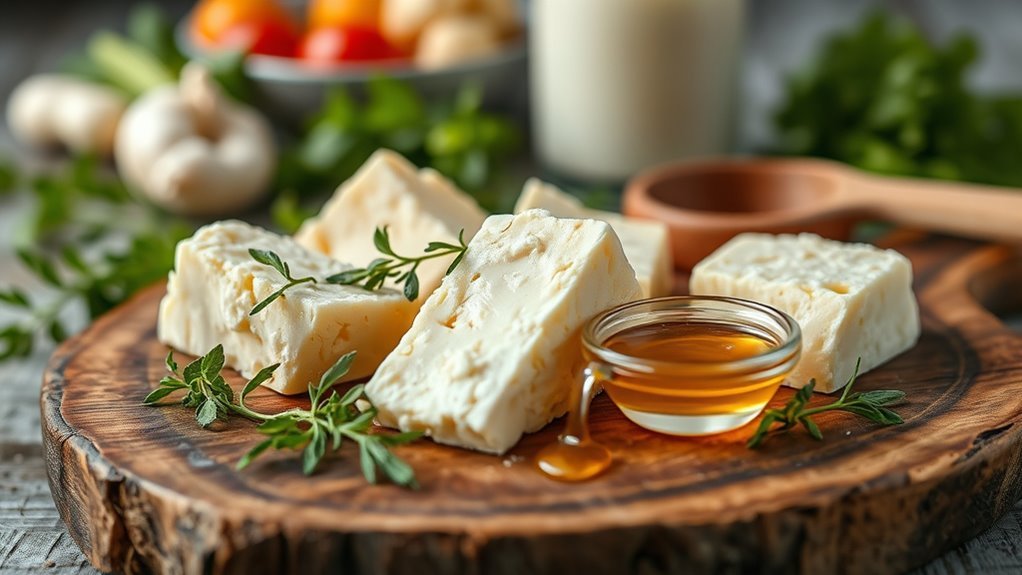
While many cheeses can cause digestive issues, goat cheese supports your digestion thanks to its A2 beta-casein protein and lower lactose content. These are gentler on your gut, making it easier to enjoy without discomfort.
Its probiotics enhance gut health by promoting beneficial bacteria, easing inflammation, and improving nutrient absorption. This makes goat cheese a great choice if you want to keep your digestive system happy.
Medium-chain fatty acids in goat cheese help with weight management by providing quick energy without fat storage. So, it’s not just tasty but can also support your weight goals.
Plus, the high calcium content supports bone health, reducing osteoporosis risk. Along with phosphorus, it keeps your bones strong and healthy.
| Benefit | Key Factors |
|---|---|
| Digestion | A2 protein, probiotics, lactose |
| Weight Management | Medium-chain fatty acids |
| Bone Health | Calcium, phosphorus |
| Inflammation | Probiotics, natural enzymes |
Goat cheese is a smart choice to support digestion, weight, and bone health naturally. Why not add it to your diet and enjoy these benefits?
Frequently Asked Questions
What Happens if I Eat Goat Cheese Every Day?
If you eat goat cheese every day, you’ll boost your calcium, vitamin B2, and probiotics intake, support digestion, and improve heart health. Just watch your portions to avoid extra calories and fat that could lead to weight gain.
Which Is Healthier, Feta or Goat Cheese?
Choosing between feta and goat cheese is like picking a lighter, gentler breeze over a salty gust. You’ll find goat cheese healthier—it’s easier to digest, lower in sodium, and richer in beneficial fats and nutrients.
What Are the Potential Downsides of Eating Goat Cheese?
You might face higher cholesterol from saturated fats, possible allergic reactions, or digestive issues if you’re lactose intolerant. Eating too much can cause weight gain, and improper storage risks bacterial contamination, so consume goat cheese cautiously.
What Does the Bible Say About Goat Milk?
You’d think the Bible worships goat milk—it praises goats as clean and essential, showing their milk’s value in daily life and blessings. So, it clearly sees goat milk as a wholesome, important resource for ancient people.
Conclusion
Think of goat cheese as a trusty companion on your health journey—like a gentle stream nourishing a garden. Its rich nutrients help your digestion flow smoothly, support your weight like a sturdy bridge, and strengthen your bones as roots do for a tree.
By inviting goat cheese onto your plate, you’re choosing a natural ally that nurtures your body quietly but powerfully. This delicious dairy option is packed with essential vitamins and minerals that promote overall well-being.
Incorporating goat milk cheese into your diet can improve gut health, aid in weight management, and boost bone strength. So, if you’re wondering, “Is goat milk cheese good for you?” the answer is a resounding yes. It’s a tasty, nutritious choice that supports your health every step of the way.