7 Best Substitutes to Use in Place of Evaporated Milk
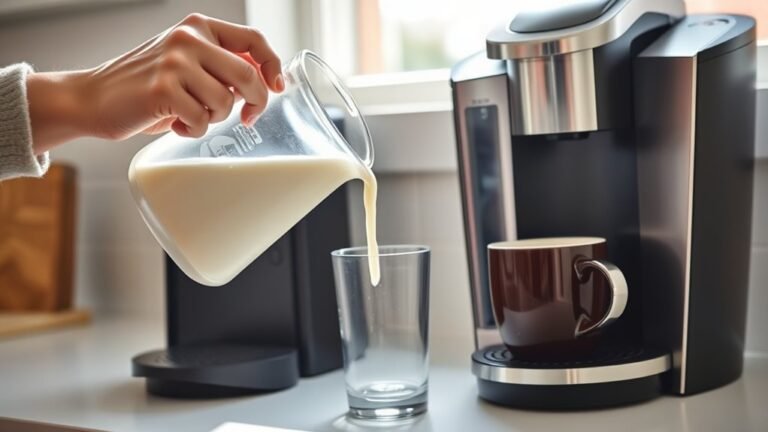
You can substitute evaporated milk with half-and-half, heavy cream mixed with milk, or homemade reduced regular milk for a similar creamy texture and richness. These options give you that smooth, velvety feel without too much fuss.
Coconut milk works great as a dairy-free option, especially if you’re avoiding animal products.
Powdered milk reconstituted with less water also mimics the thickness of evaporated milk pretty well.
Almond or soy milk reduced by about 60% offers a plant-based alternative perfect for vegan diets.
Choosing the right substitute really depends on your recipe’s flavor and fat needs.
Keep exploring these options to find the perfect fit for your dish — it’s all about what tastes best and works with what you have on hand!
Key Takeaways
– Half-and-half is a perfect 1:1 dairy substitute, matching evaporated milk’s smoothness and texture without altering flavor significantly.
It works great if you want something simple and straightforward.
– Heavy cream or a heavy cream-milk mix can replace evaporated milk for richer, creamier sauces and baked goods.
This option adds a nice indulgent touch to your recipes.
– Coconut milk offers a dairy-free, creamy alternative suitable for recipes needing richness and a subtle coconut flavor.
It’s a great choice if you’re looking for something plant-based.
– Reduce almond or soy milk by 60% through simmering to mimic evaporated milk’s thickness for vegan or lactose-free diets.
This trick helps you get that perfect consistency without dairy.
– Homemade evaporated milk can be made by simmering regular milk until reduced by 60%, replicating flavor and texture effectively.
It’s easy to do at home and saves a trip to the store!
What’s Special About Evaporated Milk in Recipes
What makes evaporated milk stand out in your recipes? Its unique creamy texture comes from removing about 60% of water through slow simmering, concentrating the milk’s richness.
This process also gives evaporated milk a subtle caramelized flavor, adding depth and warmth to baked goods and desserts.
Unlike fresh milk, evaporated milk’s thicker consistency improves the texture of sauces, custards, and other dishes, making them smoother and more luxurious. Plus, its sterilization process extends shelf life beyond a year, so you can keep it handy in your pantry without worry.
Its rich, creamy texture enhances sauces and custards, while sterilization ensures a long-lasting pantry staple.
Since evaporated milk is unsweetened, it fits effortlessly into both sweet and savory recipes, offering a neutral, milky flavor that enhances without overpowering.
It’s this balance of richness and versatility that makes evaporated milk special.
How to Use Regular Milk as an Evaporated Milk Substitute
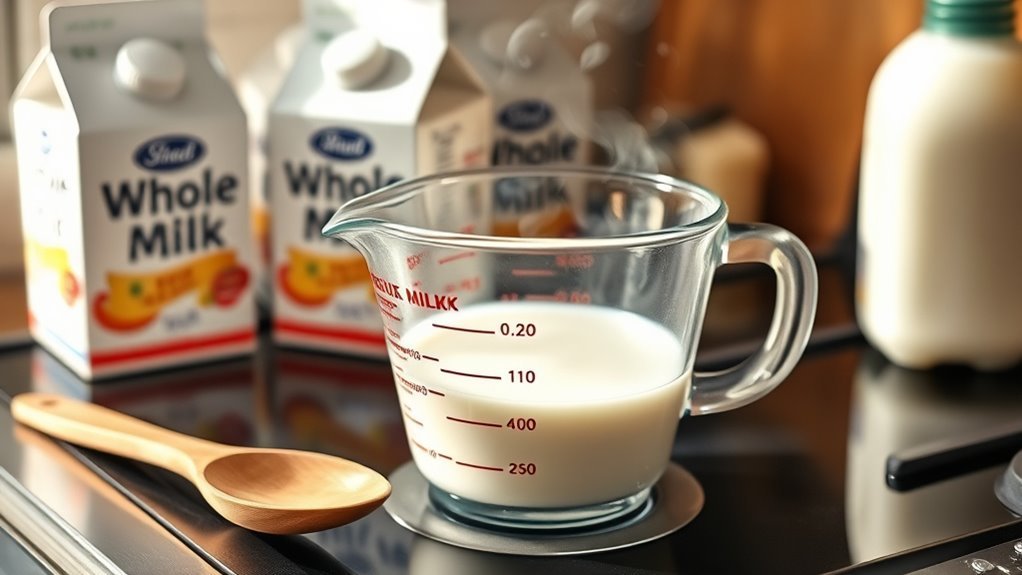
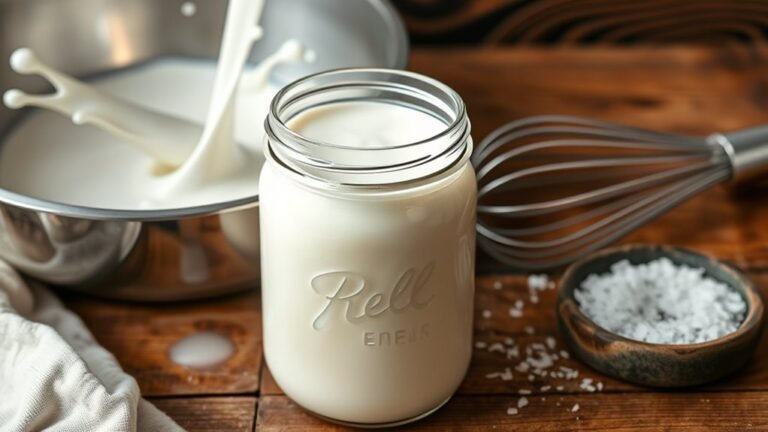
To make evaporated milk from regular milk, start by simmering 2 1/2 cups over medium heat until it reduces to about 1 1/2 cups. This usually takes around 30 minutes.
Stir occasionally to prevent burning and watch the volume carefully as the water evaporates. Once it’s reduced, you can use it as is or dilute it with water depending on the recipe’s requirements.
Simmering To Reduce
How can you turn regular milk into a close match for evaporated milk? Start with 2 1/2 cups of regular milk and simmer it over medium heat. Stir occasionally to prevent scorching, and let the milk reduce until about 60% of its original volume evaporates.
This simmering process usually takes around 30 minutes, depending on your heat setting and pan size. By simmering and reducing the milk, you concentrate its flavors and texture, creating a thicker, more concentrated milk that closely resembles store-bought evaporated milk.
Once it’s reduced, let the concentrated milk cool before using it in your recipes. This simple method gives you a reliable evaporated milk substitute using ingredients you likely already have on hand. Easy, right?
Dilution Ratios Explained
Using the right dilution ratio makes all the difference when swapping regular milk for evaporated milk in your recipes.
To get the perfect consistency, simmer 2 1/2 cups of regular milk on the stove until its volume reduces by about 60%. This process takes roughly 30 minutes and results in approximately 12 ounces of concentrated milk that closely mimics canned evaporated milk.
Stir occasionally while simmering to prevent burning or sticking. The key is understanding that these dilution ratios create a thicker, richer milk by reducing its water content.
You can then cool the concentrated milk and use it as a 1:1 substitute in your recipes. If you want a lighter substitute, reduce the milk less, but a 60% reduction works best for most cooking and baking needs.
Half-and-Half and Heavy Cream as Substitutes for Evaporated Milk
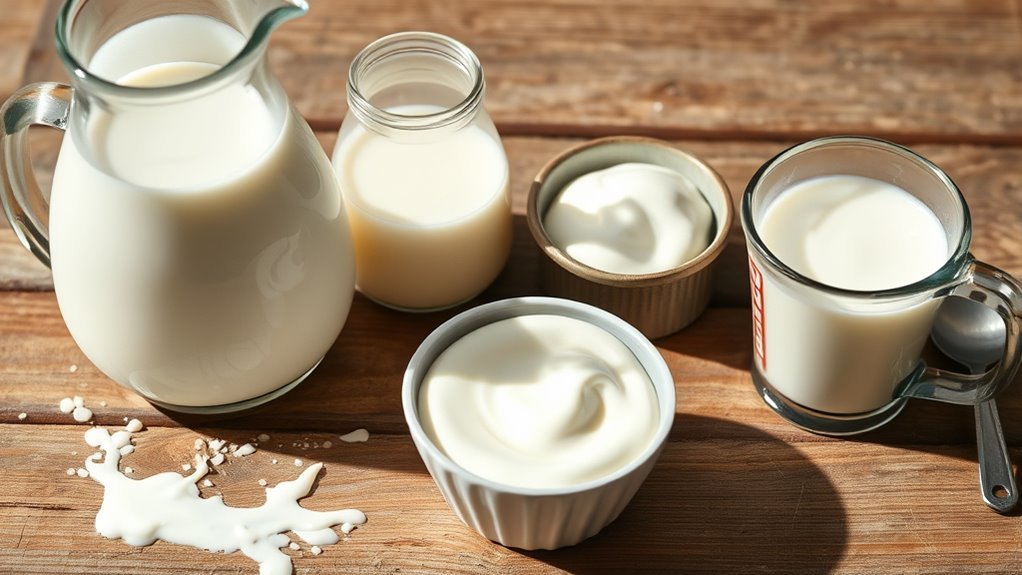
Wondering how to replicate the creamy texture of evaporated milk in your recipes? Half-and-half makes a perfect 1:1 substitute, offering a similar smoothness without extra effort.
If you want a richer option, mix equal parts heavy cream and milk, then simmer it until the volume reduces by about 60%. This process concentrates the mixture, closely mimicking evaporated milk’s texture and flavor.
Using heavy cream alone creates an even thicker, creamier substitute that’s ideal for baked goods, sauces, and beverages needing extra richness.
Both half-and-half and heavy cream work well to maintain the creamy consistency you’re after, so you can confidently swap them in and keep your dishes delicious without compromising texture or taste.
Using Powdered Milk to Replace Evaporated Milk
To use powdered milk as a substitute, start by mixing it thoroughly with water to create a smooth base. Then, simmer the mixture until it reduces by about 60%, which thickens it to the creamy consistency of evaporated milk.
Adjusting the water amount when rehydrating helps you control the thickness for your recipe. It’s pretty simple once you get the hang of it! Just play around with the water until it feels right.
Reconstituting Powdered Milk
If you have powdered milk on hand, you can easily create a substitute for evaporated milk by mixing it with less water than usual. When reconstituting powdered milk, use about 60% less water than the standard ratio to achieve a thicker, creamier texture that works well as an evaporated milk substitute.
For example, combine 1 1/2 cups of non-fat dry milk with roughly 1 1/4 cups of water, stirring until fully dissolved to make about 12 ounces of concentrated milk. This method produces a consistency that closely resembles canned evaporated milk.
If you want, gently heat the mixture while stirring to enhance flavor and concentration. Using lactose-free or plant-based dry milk lets you adapt this substitute for various dietary needs.
Achieving Proper Consistency
Adjusting the amount of water when reconstituting powdered milk is key to matching the thickness of evaporated milk. To achieve the proper consistency, follow these steps:
First, use only 60% of the usual water amount when mixing powdered milk to create thickened milk. This helps get that right texture you’re after.
Next, dissolve 1 1/2 cups of non-fat dry milk in about 1 1/4 cups of hot water. Give it a good stir until the milk is smooth and fully reconstituted.
Then, gently heat the mixture. This step enhances the flavor and mimics evaporated milk’s slight caramel notes—pretty neat, right?
Finally, if the consistency feels too thin or too thick for your recipe, just tweak the water quantity a little bit until it’s just right.
Plant-Based Milk Alternatives for Evaporated Milk (Including Coconut Milk)
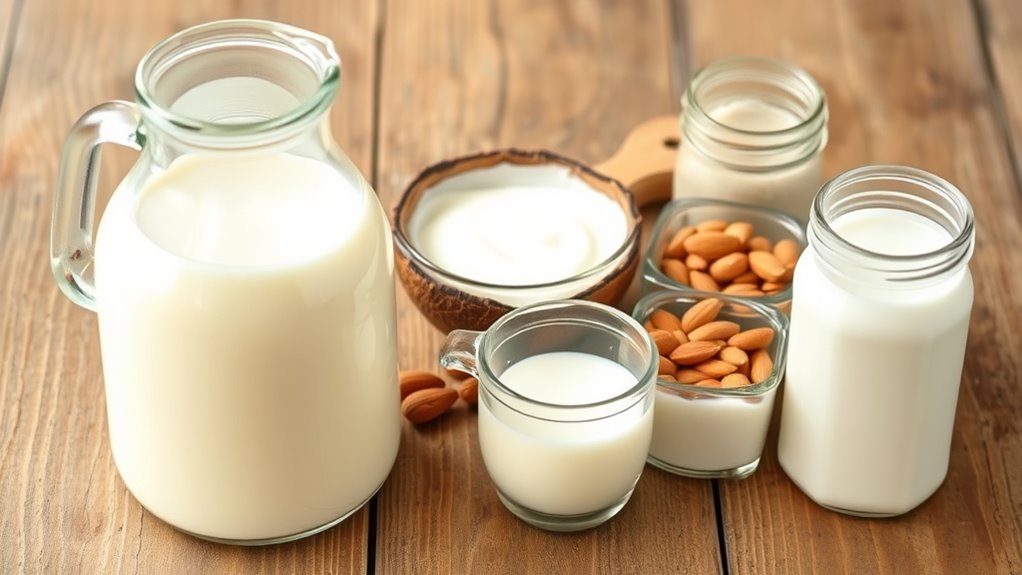
When you need a dairy-free alternative, coconut milk stands out as a rich and creamy substitute for evaporated milk, matching it 1:1 while adding a subtle coconut flavor.
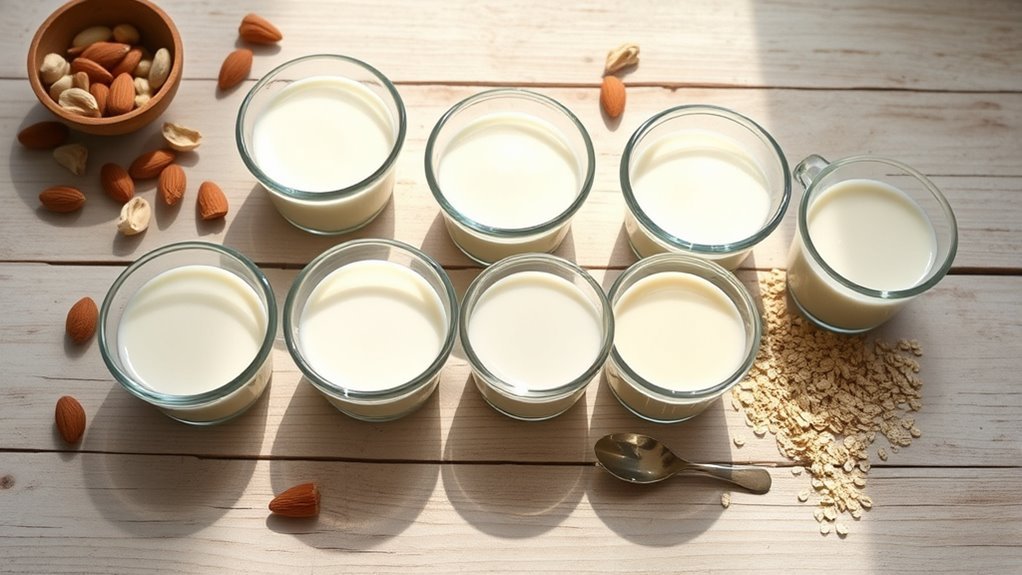
Besides coconut milk, you can use other plant-based milk options like almond, oat, or soy milk by simmering them until they reduce by about 60%. This thickens the dairy-free milk to a consistency similar to evaporated milk.
You might also try commercially available non-dairy creamers or thickened plant-based milks, which work well either as is or after further reduction. Another option is reconstituting powdered soy or rice milk with less water than usual to create a thicker liquid.
Using full-fat coconut milk or carefully reduced almond or oat milk gives you vegan-friendly, rich substitutes to match the texture and richness of traditional evaporated milk.
Quick Homemade Evaporated Milk: Simple Stove-Top Method
While plant-based options offer great alternatives, making your own evaporated milk at home is surprisingly simple. It lets you control the ingredients and flavor exactly how you like.
Making your own evaporated milk lets you customize flavor and ingredients with simple, homemade ease.
Using the stove-top method, you can quickly prepare homemade evaporated milk by reducing fresh milk to the perfect consistency. Here’s how to reduce milk effectively:
- Pour 2 1/2 cups of fresh milk into a saucepan.
- Heat over medium, stirring occasionally until it gently boils.
- Simmer and stir for 20-25 minutes until the milk volume reduces by about 60%.
- Remove from heat and cool until thick and creamy.
Store any leftovers in an airtight container in the fridge for a few days. This quick homemade evaporated milk is a reliable substitute in many recipes.
How to Choose the Best Evaporated Milk Substitute for Your Recipe
Since every recipe has unique texture and flavor needs, choosing the right evaporated milk substitute depends on what you’re making. Consider the richness, fat content, and flavor your recipe requires.
For a closer match, dairy options like heavy cream work well, while plant-based alternatives might shift the taste. When baking or cooking, reduce almond or soy milk to mimic evaporated milk’s thickness.
Adjust your recipe adaptation by matching quantities and fat levels for the best result.
| Recipe Need | Best Substitute |
|---|---|
| Richness | Heavy cream, coconut milk |
| Neutral flavor | Homemade evaporated milk |
| Baking thickener | Boiled almond/soy milk |
| Light dishes | Skim milk |
| Plant-based option | Soy, almond, coconut milk |
Choose wisely for perfect results every time.
Frequently Asked Questions
What Could I Use if I Don’t Have Evaporated Milk?
You can use reduced regular milk by simmering it down, mix heavy cream with milk, substitute half-and-half directly, thicken powdered milk with less water, or reduce coconut milk for a dairy-free alternative.
How Much Regular Milk Equals a Can of Evaporated Milk?
Imagine a shrinking puddle under the sun—2 1/2 cups of regular milk simmered down to about 1 1/2 cups gives you the thick, rich equivalent of one can of evaporated milk for your recipe.
What Will Happen if I Use Condensed Milk Instead of Evaporated Milk?
If you use condensed milk instead of evaporated milk, your dish will become much sweeter and thicker. You’ll likely notice a caramelized flavor and denser texture, which can alter the recipe’s intended taste and consistency.
Can I Use All-Purpose Cream Instead of Evaporated Milk?
You can use all-purpose cream instead of evaporated milk, but you should dilute it with an equal amount of water. This keeps the texture and fat content closer to evaporated milk, preventing your dish from becoming too rich or heavy.
Conclusion
Choosing the right evaporated milk substitute is like picking the perfect puzzle piece—it makes your recipe come together just right. Whether you grab regular milk, creamy half-and-half, or a plant-based option, you’ve got plenty of tasty choices.
Don’t forget, homemade evaporated milk is a quick fix when you’re in a pinch. So go ahead, experiment confidently, and keep your dishes delicious without missing a beat!
With these 7 best substitutes to use in place of evaporated milk, you can easily find the perfect alternative for any recipe. From dairy to non-dairy options, each substitute brings its own unique flavor and texture, helping you maintain that creamy richness. Whether you’re cooking, baking, or whipping up a sauce, using the right evaporated milk substitute ensures your dish stays just as flavorful and smooth. So next time you’re out of evaporated milk, no worries—these options have got you covered!