What Happens if You Drink Expired Milk and How to Identify It
If you drink expired milk, you risk food poisoning, stomach upset, nausea, or diarrhea, especially if you consume larger amounts. Spoiled milk can harbor harmful bacteria that make you feel sick.
So, it’s really important to know how to identify expired milk before drinking it.
You can tell if milk is bad by checking for a sour smell, a lumpy texture, a yellowish tint, or signs of curdling. These are clear signs that the milk has gone off. Always trust your senses—if it looks, smells, or tastes off, don’t drink it.
Proper refrigeration helps prevent milk from spoiling quickly, but it’s not foolproof. If you want to stay safe, it’s wise to learn more about spotting and handling expired milk properly.
That way, you can avoid any unpleasant stomach issues and keep your milk fresh longer.
Key Takeaways
- Expired milk can cause food poisoning with symptoms like nausea, vomiting, and diarrhea due to bacterial growth. So, it’s really important to be careful about the milk you drink.
- You can usually spot spoiled milk by a sour smell, a lumpy texture, or a yellowish tint. If it tastes off or looks strange, it’s best not to take the risk.
- Always check the expiration date before you use milk. And don’t forget to give it a quick visual inspection too, just to be safe.
- Drinking small amounts of spoiled milk might only cause mild discomfort. But if you drink a lot, the health risks can definitely increase.
- Keep your milk properly refrigerated at all times. And if you see any signs of spoilage, it’s safest to just throw it away.
How to Identify Expired and Spoiled Milk
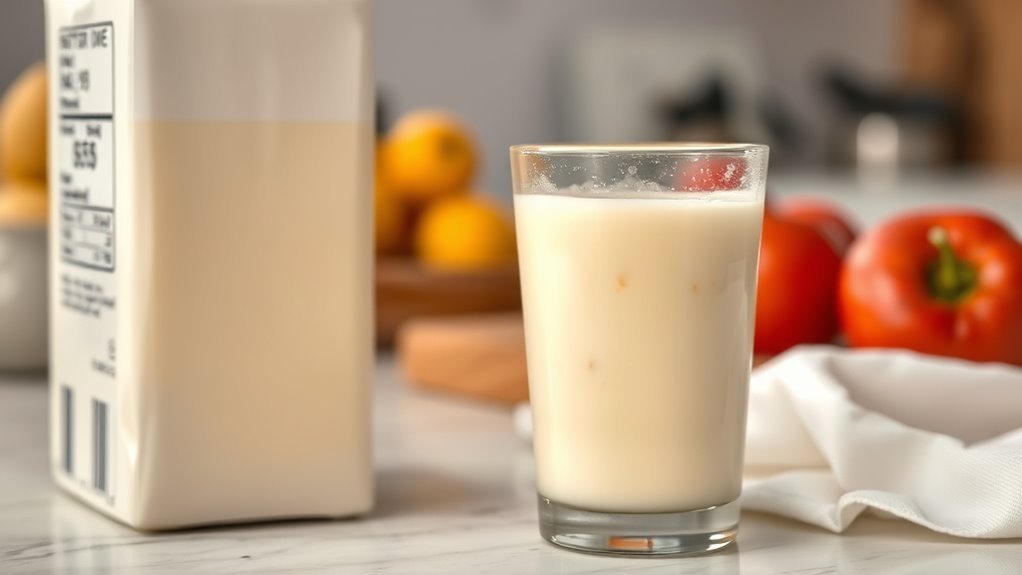
Although milk might look fine at first glance, you can usually spot expired or spoiled milk by its sour smell, lumpy texture, or yellowish tint. To avoid food poisoning, always perform a visual inspection before use.
Milk may appear fine but watch for sour smell, lumps, or yellow tint before use.
Check the expiration date to verify freshness, and be alert for spoilage signs like curdling or an off taste. Spoiled milk results from bacteria growth, which causes these changes.
Proper storage in a cold environment slows down this process, helping maintain milk’s quality. If you detect any sour smell or notice lumps, don’t take chances—discard the milk.
Tasting a tiny amount can confirm spoilage, but only if you’re confident it’s safe. Staying vigilant about these indicators keeps you safe and helps you avoid consuming expired milk.
What Happens When You Drink Expired Milk?
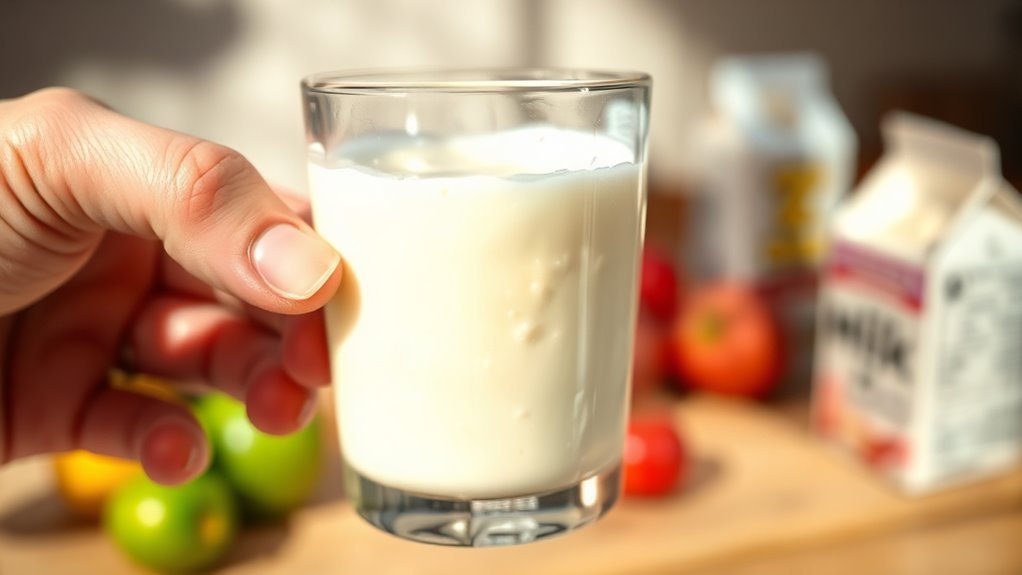
If you drink expired milk that looks, smells, and tastes normal, you probably won’t experience any harm. However, once spoilage sets in, bacterial growth increases, raising the risk of foodborne illness and food poisoning.
Consuming milk past its shelf life with clear spoilage signs—like sour smell and off taste—can trigger gastrointestinal symptoms such as nausea, vomiting, stomach upset, and diarrhea. The severity depends on how much contaminated milk you consume and your immune system’s strength.
Even small sips of spoiled milk might cause mild discomfort, but larger amounts can lead to more serious symptoms. For food safety, always check for spoilage signs before drinking expired milk, and discard it if anything seems off to avoid potential health risks.
Frequently Asked Questions
What Do I Do if I Accidentally Drank Expired Milk?
If you accidentally drank expired milk, stay calm and drink plenty of water. Watch for stomach upset or nausea. If symptoms worsen or you have severe vomiting, seek medical help right away to avoid complications.
How to Tell if Milk Is Actually Expired?
You can tell milk is expired if it smells sour, tastes off, looks yellowish, or has lumps and curdling. Don’t rely just on the date—always trust your senses before drinking it.
Is Expired Milk Ok if It Doesn’t Smell?
You shouldn’t drink expired milk even if it doesn’t smell; about 10% of spoiled milk lacks a sour odor but still harbors harmful bacteria. Trust visual cues and expiration dates to stay safe and avoid illness.
What if I Drink 1 Day Expired Milk?
If you drink milk that’s just one day expired, you’re likely fine as long as it smells and tastes normal. Still, watch for sourness or curdling, since a small chance of stomach upset exists if spoilage began.
Conclusion
Imagine pouring a glass of milk that smells sour and looks lumpy—your body will quickly sense something’s off. Drinking expired milk can leave you feeling queasy, with cramps or nausea sneaking in like an unwelcome guest.
To avoid this, always check the smell, texture, and date before you pour. Trust your senses—they’re your best defense against spoiled milk’s unpleasant surprises.
When it comes to expired milk, being cautious is key. Consuming spoiled milk can cause stomach discomfort and even food poisoning. So, always inspect the milk carefully—look for changes in smell, appearance, and taste. Staying alert helps you avoid the unpleasant effects of drinking bad milk. Keep your milk fresh and enjoy it safely by checking the expiration date and using your senses to identify if it’s gone bad. This simple habit protects your health and ensures you get the best experience from your milk every time.