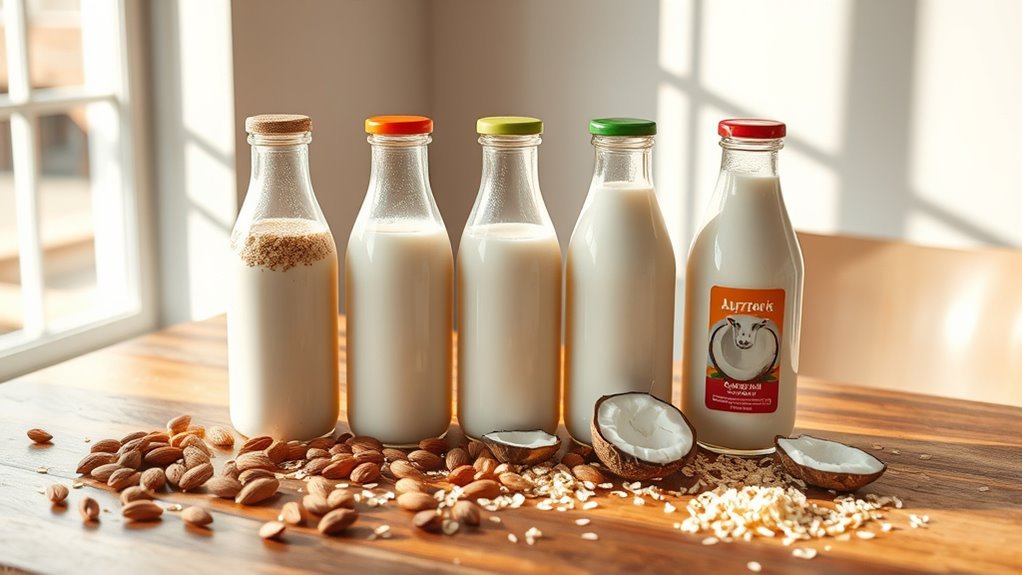
5 Healthiest Milks to Drink for Optimal Nutrition and Wellness
When choosing a milk that supports your health goals, it helps to know which options pack the most nutritional punch. Whether you prefer traditional dairy or plant-based alternatives, each type offers unique benefits that can impact your energy, bone strength, and overall wellness. Understanding these differences can guide you to a choice that fits your lifestyle and dietary needs—but which milks rise to the top when it comes to nutrition?
Exploring the 5 healthiest milks to drink for optimal nutrition can help you make an informed decision. From calcium-rich dairy to nutrient-dense plant-based options, these milks provide essential vitamins and minerals that support your body’s functions. Let’s dive into which milk choices can best fuel your health journey.
Nutritional Benefits of Cow’s Milk

While many milk options exist, cow’s milk stands out for its rich nutrient profile that supports your overall health. It offers about 8 grams of high-quality protein per 8-ounce serving, aiding muscle maintenance and repair.
Cow’s milk is also an excellent source of calcium, providing around 300 mg per cup, which is essential for bone health and helps reduce the risk of osteoporosis. Fortified with vitamin D, it enhances calcium absorption, further strengthening your bones.
Additionally, cow’s milk supplies essential B vitamins like B12 and riboflavin, which support your energy metabolism.
Beyond these, it contains potassium, phosphorus, and vitamin A, adding to its all-encompassing nutritional benefits.
Choosing cow’s milk means you’re fueling your body with a balanced, nutrient-dense beverage that promotes overall wellness.
Why Soy Milk Is a Top Plant-Based Choice

Why choose soy milk as your go-to plant-based option? Soy milk offers a powerful combination of nutrition and health benefits that make it an excellent dairy alternative. It’s fortified with calcium and vitamin D, ensuring you get essential nutrients. Plus, its protein content rivals that of cow’s milk, making it a satisfying choice.
Here’s why soy milk stands out:
- Rich in protein and low in calories — supports muscle health without excess calories.
- Contains isoflavones — plant compounds that may promote hormone balance and reduce inflammation.
- Supports heart health — studies show it can improve cholesterol levels, benefiting your cardiovascular system.
Whether you’re vegan, lactose intolerant, or just seeking a nutritious plant-based milk, soy milk fits perfectly.
The Growing Popularity of Oat Milk

How has oat milk skyrocketed in popularity over recent years? Its sales jumped 71% from 2017 to 2018 and soared 700% from 2018 to 2019. This surge comes as more people seek plant-based milks with health benefits.
Oat milk offers a creamy texture and a rich nutrient profile, making it a top choice among dairy alternatives. It contains soluble fiber, including beta-glucans, which help reduce inflammation and stabilize blood sugar.
As a plant-based beverage, oat milk naturally tastes sweeter and supports your health with fiber and essential nutrients.
| Feature | Oat Milk (8 oz) | Common Dairy Milk (8 oz) |
|---|---|---|
| Calories | 120 | 150 |
| Protein (g) | 3 | 8 |
| Soluble Fiber | Yes (beta-glucans) | No |
Almond Milk: Low-Calorie and Nutritious Options
One of the biggest draws of almond milk is its low calorie count, with just about 41 calories per 8-ounce serving. If you want a nutritious, plant-based dairy alternative, unsweetened almond milk is a smart choice.
Almond milk offers just 41 calories per 8-ounce serving, making it a nutritious, plant-based dairy alternative.
It’s fortified with essential nutrients like calcium and vitamin D to support bone health and immune function. However, watch out for flavored versions that often contain added sugars, which can quickly increase calorie intake.
Here’s why almond milk stands out:
- Low-calorie option perfect for weight management.
- Fortified with key nutrients for balanced nutrition.
- Suitable for vegans and those with dairy allergies.
While it’s low in protein, almond milk remains a popular, nutritious choice among dairy alternatives.
Exploring Hemp Milk for Protein and Omega Fatty Acids
Although hemp milk mightn’t be as common as almond or soy milk, it offers a unique blend of protein and essential omega fatty acids that can boost your nutrition. This plant-based milk contains about 3 grams of protein per serving, making its protein content notable among vegan milk alternatives.
Rich in omega-3 fatty acids and other essential fatty acids, hemp milk supports inflammatory reduction and promotes heart health. It’s dairy-free and ideal if you’re avoiding nuts or animal products.
Plus, many hemp milks come with fortified nutrients like calcium and iron, which aid bone health and overall wellness. Choosing hemp milk means you’re getting a nutritious, dairy-free option that contributes to balanced nutrition while supporting your body’s essential functions.

Frequently Asked Questions
What Is the Overall Healthiest Milk to Drink?
The healthiest milk for you depends on your needs, but unsweetened soy milk often tops the list, offering protein and nutrients like cow’s milk without lactose.
Choose fortified, low-sugar options that fit your diet and preferences.
What Milk Do Dietitians Recommend?
Dietitians recommend you choose unsweetened, low-fat or skim dairy milk for balanced nutrients, or fortified soy milk if you’re lactose intolerant.
They suggest avoiding added sugars and opting for minimally processed, nutrient-fortified options.
What Milk Does Dr. Gundry Suggest?
When it comes to milk, Dr. Gundry suggests you stick to unsweetened, minimally processed plant-based options like hemp or almond milk.
If you prefer dairy, go for A2 or goat’s milk to avoid digestive issues.
What Milk Is Best for Your Gut Health?
You’ll want to choose unsweetened, minimally processed plant-based milks like almond or oat, especially those with added fiber.
Soy milk’s isoflavones and coconut milk’s MCTs also support your gut health effectively.
Conclusion
Choosing the healthiest milk depends on your unique needs, but it’s clear these five options offer real nutritional benefits. While some believe plant-based milks can’t match cow’s milk protein, soy and hemp challenge that idea with comparable quality.
Plus, oat and almond milks bring their own perks like fiber and low calories. So, whether you want bone strength, heart health, or hormone support, you can confidently pick the milk that fits your lifestyle best.
In conclusion, for optimal nutrition, the healthiest milks to drink include options that support bone strength, heart health, and hormone balance, making these choices ideal for anyone seeking the best milk for their health goals.